
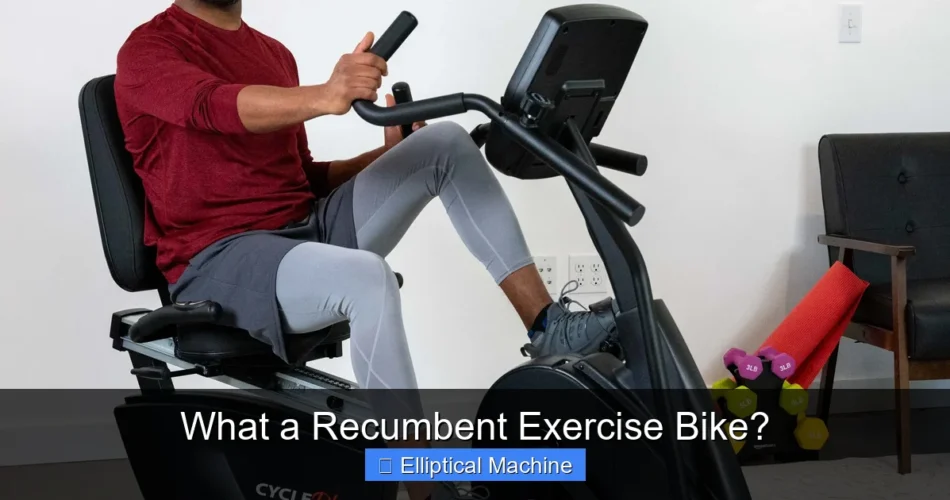
What a recumbent exercise bike? It is a stationary cycling machine characterized by a reclined seating position with full back support, placing the pedals out in front of the rider rather than directly below them. This unique design provides a significantly different and often more comfortable workout experience compared to traditional upright bikes.
This particular approach to indoor cycling prioritizes comfort and stability, making it an excellent choice for a wide range of individuals seeking effective cardiovascular exercise with reduced strain on the body.
Quick Answers to Common Questions
What exactly is a recumbent exercise bike?
A recumbent exercise bike features a laid-back, reclined seating position with pedals out in front, offering a comfortable backrest instead of an upright saddle. This unique design provides excellent back support and distributes your weight more evenly.
How is a recumbent exercise bike different from a regular upright one?
The biggest difference is the seating! While an upright bike mimics a traditional road bike, a recumbent exercise bike lets you recline with your legs extended forward, significantly reducing strain on your back and joints.
Who would benefit most from using a recumbent exercise bike?
Anyone looking for a comfortable, low-impact workout, especially those with back pain, joint issues, or limited mobility, will find a recumbent exercise bike incredibly beneficial. It’s also fantastic for longer sessions due to its superior comfort!
📑 Table of Contents
- Understanding the Unique Design of a Recumbent Exercise Bike
- The Ergonomic Advantages of this Recumbent Exercise Bike Type
- Who Can Benefit Most from a Recumbent Exercise Bike?
- Key Features to Look for in a Recumbent Exercise Bike
- Recumbent vs. Upright Exercise Bikes: A Comparative Look at this Exercise Method
- Maximizing Your Workout with a Recumbent Exercise Bike
Understanding the Unique Design of a Recumbent Exercise Bike
The defining characteristic of a recumbent exercise bike lies in its structural configuration, which radically departs from the upright bicycle design. Instead of mimicking an outdoor road bike, this equipment positions the user in a laid-back posture, offering a more supportive and less impactful workout.
Reclined Seating and Back Support
Unlike an upright bike where the user sits on a small seat with minimal back support, a recumbent bike features a large, chair-like seat with a substantial backrest. This design cradles the user’s back, distributing weight across a larger surface area. The reclined position alleviates pressure on the spine, neck, and wrists, which are common pain points for riders on upright bikes. This full support system is paramount for longer sessions and for individuals with pre-existing conditions.
Pedal Placement
On a recumbent model, the pedals are positioned at the front of the machine, typically around hip level or slightly higher, requiring the rider to extend their legs forward. This contrasts sharply with upright bikes where pedals are directly beneath the rider. The forward pedal placement on a recumbent bike allows for a more natural leg extension and engages different muscle groups slightly, emphasizing the glutes and hamstrings more, while still providing a comprehensive lower body workout.
Frame and Footprint
Recumbent exercise bikes generally have a longer, more extended frame to accommodate the reclined seating and forward pedal mechanism. This often means they occupy a larger footprint than compact upright bikes. However, their stable, low-to-the-ground design contributes to their overall safety and ease of use, reducing any sensation of instability during vigorous pedaling.
The Ergonomic Advantages of this Recumbent Exercise Bike Type
The distinct design of a recumbent exercise bike translates into several significant ergonomic benefits, making it a highly attractive option for many fitness enthusiasts and those with specific physical considerations. The comfort and support offered by this exercise bike type are unparalleled in the stationary bike category.
Reduced Back and Joint Strain
The primary ergonomic advantage is the profound reduction in strain on the back and various joints. The full back support eliminates the need for core strength to maintain an upright posture, preventing slouching and reducing pressure on the lumbar spine. Furthermore, the semi-reclined position and forward-pedal design minimize impact on the knees, hips, and ankles. This makes the practice ideal for individuals with arthritis, osteoporosis, or chronic joint pain.
Enhanced Comfort and Stability
The large, padded seat and backrest provide superior comfort, which is crucial for motivation and adherence to a fitness routine. Users can typically exercise for longer durations without experiencing discomfort or numbness often associated with smaller upright seats. The broader base and lower center of gravity of a recumbent bike also offer exceptional stability, making it a safer option for seniors or those with balance issues, as there’s minimal risk of tipping.
Cardiovascular Benefits Without High Impact
Despite its comfortable nature, the recumbent bike is highly effective for cardiovascular training. It allows users to elevate their heart rate and improve endurance without putting undue stress on their musculoskeletal system. This low-impact approach is excellent for maintaining heart health, managing weight, and improving overall fitness levels, making it suitable for rehabilitation or everyday exercise.
Who Can Benefit Most from a Recumbent Exercise Bike?
The unique blend of comfort, support, and effective exercise offered by recumbent bikes makes them suitable for a diverse group of users. This equipment caters to those who might find traditional exercise challenging or uncomfortable.
Individuals with Back or Joint Pain
For many people suffering from lower back pain, knee issues, hip problems, or other joint discomforts, high-impact exercises or even upright cycling can exacerbate their conditions. The recumbent bike’s design, with its reclined posture and supported back, virtually eliminates the spinal compression and joint stress common in other forms of exercise. This allows them to engage in cardiovascular activity pain-free.
Seniors and Beginners
Seniors often prioritize safety, comfort, and ease of use in their exercise equipment. The stable, low-entry design of recumbent bikes makes them incredibly accessible. There’s no need to balance, and stepping onto the machine is straightforward. Similarly, beginners to fitness can appreciate the gentle introduction to exercise that this bike provides, allowing them to build stamina and confidence without feeling overwhelmed or experiencing discomfort.
Those Recovering from Injury
For individuals undergoing physical rehabilitation or recovering from injuries, a recumbent bike can be an invaluable tool. Its low-impact nature allows for controlled movement and strengthening of the lower body muscles without risking further injury. Therapists frequently recommend this method for gradual reintroduction to physical activity due to its adjustable resistance and supportive design.
People Seeking a Low-Impact Workout
Even highly fit individuals sometimes need a break from high-impact activities like running or intense cardio. A recumbent bike offers an excellent cross-training option or a recovery day workout. It allows athletes to maintain their cardiovascular fitness and muscle strength while giving their joints a much-needed rest. Pregnant women also often find the recumbent position more comfortable and safer than other exercise forms.
Key Features to Look for in a Recumbent Exercise Bike
When considering a recumbent exercise bike, several features can significantly impact your experience and the effectiveness of your workouts. Selecting the right model involves balancing your budget with your fitness goals and comfort preferences.
Resistance Systems
Most recumbent bikes use magnetic resistance, which is quiet, smooth, and low-maintenance. Some high-end models might feature electromagnetic resistance, offering even finer control and programmed workouts. Air resistance bikes are less common but provide a natural feel. Ensure the bike offers a sufficient range of resistance levels to challenge you as your fitness improves.
Console and Tracking Capabilities
A good console will display essential metrics such as time, distance, speed, calories burned, and heart rate. Look for clear, easy-to-read displays, often backlit. Advanced models may include pre-set workout programs, custom user profiles, and connectivity for fitness apps or heart rate monitors, enhancing the training experience.
Adjustability and Customization
Proper fit is crucial for comfort and efficiency. Check for easy-to-use seat adjustment mechanisms that allow for quick horizontal sliding to accommodate different leg lengths. Some models offer adjustable backrests. Handlebars might also be adjustable, though less critical than seat position. Ensure the bike can comfortably fit all potential users in your household.
Build Quality and Weight Capacity
A sturdy frame, usually made of steel, is vital for durability and stability. Check the maximum user weight capacity to ensure it aligns with your needs. A heavier flywheel often indicates a smoother, more consistent pedaling motion, contributing to a better workout feel. Higher quality components generally mean a longer lifespan for the equipment.
Additional Comfort Features
Consider extras like padded pedals with adjustable straps, built-in cooling fans, water bottle holders, media shelves for tablets or phones, and integrated speakers. While not essential for exercise, these features can greatly enhance your overall comfort and enjoyment during your routine.
Recumbent vs. Upright Exercise Bikes: A Comparative Look at this Exercise Method
Choosing between a recumbent and an upright exercise bike often comes down to personal preference, fitness goals, and physical limitations. Both offer effective cardiovascular workouts, but their distinct designs lead to different experiences and benefits from this exercise method.
Posture and Muscle Engagement
Recumbent: Riders sit in a reclined, supported position with legs extended forward. This posture reduces stress on the back, neck, and wrists. Muscle engagement tends to focus more on the glutes and hamstrings due to the forward push of the pedals.
Upright: Mimics a traditional bicycle, with the rider sitting on a smaller seat directly above the pedals. This posture engages the core muscles more to maintain balance and an upright position, working the quadriceps more intensely and providing a more overall lower body workout similar to outdoor cycling.
Workout Intensity and Calorie Burn
Recumbent: While excellent for cardio, some users find it harder to achieve very high-intensity, explosive workouts compared to upright bikes, as the reclined position can feel less aggressive. However, it’s perfectly capable of delivering significant calorie burn and improving cardiovascular fitness, especially for those who can sustain longer sessions due to comfort.
Upright: Often allows for a more intense, standing-style workout (similar to spinning classes), which can lead to higher calorie burn in shorter periods. The ability to stand on the pedals facilitates bursts of high intensity.
Space and Portability
Recumbent: Generally has a larger footprint due to the extended frame required for the reclined seat and front pedals. They are typically heavier and less portable, designed to be a stationary fixture in a home gym.
Upright: Often more compact, especially folding models, making them suitable for smaller spaces. They are generally lighter and easier to move if needed.
Cost Considerations
Both types of bikes are available across a wide price range, from entry-level models to high-end commercial machines. There isn’t a significant inherent cost difference solely based on the recumbent or upright design; rather, price variations depend more on brand, build quality, features, and technology included.
| Feature | Recumbent Exercise Bike | Upright Exercise Bike |
|---|---|---|
| Seating Position | Reclined with full back support | Upright with minimal back support |
| Pedal Placement | In front of the body | Directly beneath the body |
| Comfort Level | High (chair-like seat) | Moderate (smaller seat) |
| Back/Joint Strain | Very Low | Moderate (can strain lower back/wrists) |
| Core Engagement | Low | High |
| Footprint | Larger | Smaller (often foldable) |
| Ideal Users | Seniors, injured, chronic pain, beginners | General fitness, athletes, spin enthusiasts |
Maximizing Your Workout with a Recumbent Exercise Bike
To truly harness the benefits of your recumbent exercise bike, it’s essential to approach your workouts with proper technique and a structured plan. Even with its inherent comfort, thoughtful engagement can significantly enhance your results.
Proper Setup and Form
Before every workout, ensure the seat is adjusted correctly. Your knees should have a slight bend when your legs are fully extended at the bottom of the pedal stroke – never lock your knees. Maintain a relaxed posture with your back firmly against the backrest. Keep your shoulders down and relaxed, and avoid gripping the handlebars too tightly. Proper alignment prevents strain and ensures efficient power transfer to the pedals.
Incorporating Interval Training
While steady-state cardio is effective, adding interval training can boost your calorie burn and improve cardiovascular fitness more rapidly. Alternate between periods of high intensity (e.g., higher resistance or faster pedaling) and periods of active recovery (lower intensity). For example, try 1-2 minutes of hard pedaling followed by 2-3 minutes of easy pedaling, repeating for 20-30 minutes after a warm-up.
Staying Hydrated and Fueling Your Body
Even on a comfortable recumbent bike, you’ll sweat and expend energy. Keep a water bottle nearby and sip throughout your workout. For longer sessions (over an hour), consider an electrolyte-enhanced drink. Ensure you’re eating a balanced diet that supports your activity level, providing adequate carbohydrates for energy and protein for muscle repair.
Listening to Your Body
The recumbent bike is designed for comfort, but it’s still crucial to listen to your body. If you feel any sharp pain, stop and re-evaluate your form or resistance level. Don’t push through pain. Gradually increase your workout duration, intensity, and frequency to avoid overtraining and allow your body to adapt and strengthen effectively. A consistent, progressive approach is key to long-term success with this equipment.
A recumbent exercise bike stands out as a highly effective and comfortable fitness solution for a broad spectrum of individuals. Its unique design, emphasizing a reclined seating position with full back support and forward pedal placement, significantly reduces strain on the back, joints, and neck. This makes it an ideal choice for seniors, beginners, those with orthopedic issues, or anyone seeking a low-impact yet robust cardiovascular workout. By understanding its ergonomic advantages, selecting a model with appropriate features, and applying proper workout techniques, users can unlock a path to improved health, fitness, and overall well-being with minimal discomfort. This equipment truly offers a welcoming entry point and a sustainable tool for lifelong fitness.
Frequently Asked Questions
What exactly is a recumbent exercise bike?
A recumbent exercise bike is a stationary fitness machine designed with a reclined seating position. Unlike traditional upright bikes, the rider sits back in a bucket seat with pedals positioned out in front, allowing for a more relaxed and supportive posture during exercise.
How does a recumbent exercise bike differ from an upright stationary bike?
The primary difference lies in the seating and pedal position. Recumbent bikes feature a full back support and pedals positioned in front of the body, whereas upright bikes mimic a traditional bicycle with a smaller seat and pedals directly below. This design provides greater comfort and stability on a recumbent exercise bike.
Who would benefit most from using a recumbent exercise bike?
Recumbent exercise bikes are particularly beneficial for individuals seeking a comfortable, low-impact workout, especially those with back pain, joint issues, or balance concerns. Their supportive design reduces strain on the lower back and wrists, making them ideal for rehabilitation or extended exercise sessions.
What are the key advantages of using a recumbent exercise bike for workouts?
The main advantages include superior comfort and enhanced support due to the reclined position and broad seat with a backrest. This design helps reduce pressure on the lower back and joints, allowing for longer, more comfortable workouts and making the recumbent exercise bike suitable for a wider range of users.
When you purchase a product through Amazon links on EllipticalKing.com, we may earn a small commission at no extra cost to you. This helps support the site and keep our content free. As an Amazon Associate, We earn from qualifying purchases