
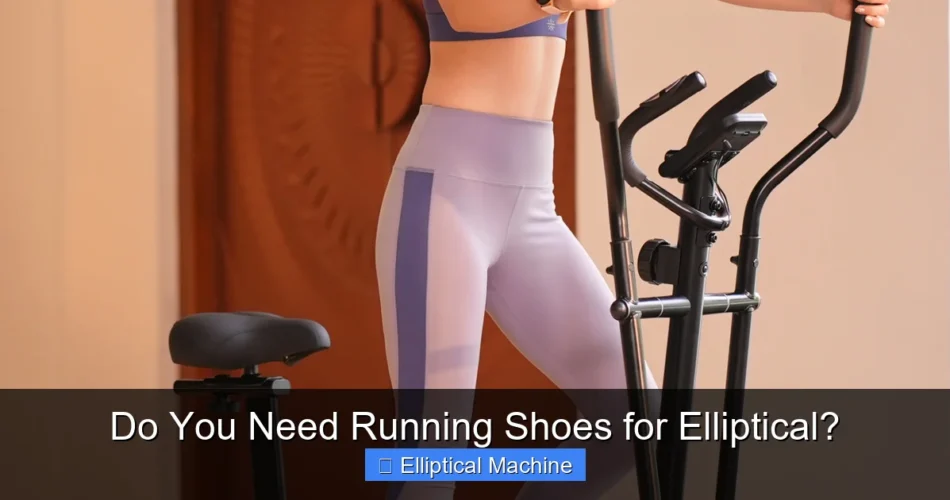
Do You Need Running Shoes for Elliptical? Generally, yes, wearing appropriate running shoes is highly recommended for elliptical training. While the elliptical is a low-impact machine, the continuous motion and specific foot mechanics still benefit significantly from the cushioning, support, and stability that quality athletic footwear provides. This approach ensures comfort, reduces the risk of injury, and optimizes your workout experience.
Although the impact on an elliptical is reduced compared to pavement running, your feet are still actively engaged, bearing your body weight and undergoing repeated motions. Selecting the right footwear is crucial for protecting your joints, supporting your arches, and preventing discomfort or potential strain during your workouts on this popular fitness machine.
Quick Answers to Common Questions
Do I really need running shoes for the elliptical?
While you don’t *strictly* need running shoes specifically, wearing athletic footwear with good support and cushioning is highly recommended for the elliptical. It protects your feet and makes your workout more comfortable.
What type of shoes are best for the elliptical if not running shoes?
Any athletic shoe with a stable sole and good support, like cross-trainers or walking shoes, is excellent for the elliptical. The key is stability and comfort over the specialized propulsion of running shoes.
Can I just wear any old sneakers or even go barefoot on the elliptical?
We strongly advise against going barefoot or wearing flimsy casual shoes on the elliptical, as it can lead to discomfort, blisters, or even foot strain. Proper footwear, even if not dedicated running shoes, provides crucial support and stability for a safe workout.
📑 Table of Contents
- The Unique Demands of the Elliptical
- Why Specialized Footwear Matters for Elliptical Training
- Understanding Running Shoe Features: Do You Need Running Shoes for Elliptical Training?
- When You Might Not Need Running Shoes (and Alternatives)
- Choosing the Right Footwear: Practical Tips
- Impact of Improper Footwear on Elliptical Performance and Health
- Footwear Considerations for Elliptical Training
- Conclusion
The Unique Demands of the Elliptical
The elliptical machine, often celebrated for its low-impact nature, engages the body in a unique full-body workout. However, “low-impact” does not mean “no-impact” on your feet and joints. Understanding the specific biomechanics of elliptical training is key to appreciating why proper footwear is so important.
Low-Impact, Not No-Impact
Unlike running, where your feet repeatedly strike the ground, creating high impact forces, the elliptical involves a gliding, continuous motion. Your feet remain in contact with the pedals throughout the entire stride. This significantly reduces the jarring force on your knees, hips, and ankles. However, your feet are still constantly bearing your body weight, experiencing sustained pressure and needing continuous support for the duration of your workout. The lack of impact can sometimes lead to a false sense of security regarding footwear choices, making people underestimate the need for adequate foot protection and support.
Foot Motion and Pressure Points
On an elliptical, your foot travels in an elongated, elliptical path, mimicking a combination of walking, cycling, and stair climbing. While there’s no harsh heel strike, the pressure is distributed across the foot differently than in running. There’s a constant, often slight, rocking motion from heel to toe, and your arch is under continuous load. Improperly supported feet can lead to fatigue, discomfort, and even pain in the arches, heels, or balls of your feet. The static position on the pedal, combined with the dynamic movement, means your foot muscles are constantly working to stabilize and propel your body, requiring stable foundational support from your shoes.
Stability and Balance Requirements
Maintaining balance on an elliptical is generally easier than on a treadmill, thanks to the fixed pedals and handlebars. However, the machine’s smooth, gliding motion still requires stability from your feet and ankles to control the movement and engage the correct muscle groups effectively. A shoe that provides good lateral stability helps prevent your foot from shifting excessively on the pedal, which can lead to inefficient movement or potential strain. Shoes with insufficient support can lead to ankle instability, especially if you tend to pronate (roll inward) or supinate (roll outward) during movement.
Why Specialized Footwear Matters for Elliptical Training
While an elliptical reduces direct impact, the sustained pressure and unique foot mechanics necessitate footwear that provides more than just basic comfort. Specialized athletic shoes, particularly running shoes or cross-training shoes, are designed with features that directly address these needs, enhancing your performance and protecting your feet.
Cushioning and Shock Absorption
Even without direct impact, the constant pressure and repetitive motion on the elliptical can lead to foot fatigue. Running shoes are engineered with advanced cushioning technologies in the midsole (e.g., EVA foam, gel, air units) that absorb and disperse pressure effectively. This cushioning provides a comfortable interface between your foot and the rigid elliptical pedal, preventing soreness and allowing you to extend your workout duration comfortably. While perhaps not as critical for impact absorption as in running, the sustained pressure absorption is invaluable.
Arch Support and Stability
Many individuals have specific foot types, such as flat feet, high arches, or neutral arches. Running shoes come in various categories (neutral, stability, motion control) to cater to these different needs. For the continuous load on the elliptical, proper arch support is crucial to maintain natural foot alignment, prevent excessive pronation or supination, and distribute pressure evenly across the sole. Stability features, often involving denser foam on the medial side of the shoe, help guide the foot through a more neutral path, reducing stress on the arches, ankles, and knees.
Breathability and Comfort
Elliptical workouts can be intense, leading to perspiration. Running shoes are typically constructed with breathable mesh uppers that allow air circulation, keeping your feet cool and dry. This breathability prevents discomfort, reduces the risk of blisters, and maintains foot hygiene during longer sessions. A comfortable, well-fitting upper also prevents friction and pressure points, contributing to an overall more enjoyable exercise experience.
Grip and Tread
While you’re not pushing off the ground, the outsole of your shoe still plays a role on the elliptical. A good grip helps your foot stay firmly planted on the pedal, preventing any slippage, especially during vigorous movements or when using incline features. The tread pattern on running shoes provides sufficient traction for these stable platforms, ensuring efficient power transfer and preventing accidental foot shifts.
Understanding Running Shoe Features: Do You Need Running Shoes for Elliptical Training?
To answer “Do You Need Running Shoes for Elliptical Training?” definitively, it helps to understand what specific features in a running shoe are beneficial for this type of workout. These features are designed to work synergistically to provide a comprehensive support system for your feet.
Cushioning Levels
- Plush Cushioning: Shoes with maximum cushioning (e.g., Hoka Clifton, Brooks Glycerin) offer a soft, cloud-like feel, excellent for comfort during longer elliptical sessions. They are particularly good for those who prioritize pressure relief.
- Moderate Cushioning: Most running shoes fall into this category, striking a balance between softness and responsiveness (e.g., Brooks Ghost, Saucony Kinvara). They provide ample comfort without feeling too squishy.
- Firm Cushioning: Some prefer a firmer feel for more ground feedback (e.g., certain minimalist or stability shoes). While less common for pure comfort on the elliptical, they can offer good stability.
Stability vs. Neutral Shoes
- Neutral Shoes: Designed for individuals with neutral arches or slight supination. They provide even cushioning and flexibility without additional arch support (e.g., Brooks Ghost, Saucony Ride).
- Stability Shoes: Ideal for those who overpronate (feet roll inward excessively). They incorporate features like medial posts or guide rails to prevent excessive inward rolling, offering crucial support for the arch and ankle (e.g., Brooks Adrenaline GTS, ASICS GT-2000).
For elliptical use, choosing between neutral and stability often depends on your natural foot mechanics. If you experience arch pain or ankle instability, a stability shoe might be more beneficial even on a low-impact machine.
Heel Drop and Flexibility
Heel drop (or offset) refers to the difference in height between the heel and forefoot of the shoe. While less critical on an elliptical than in running, a moderate heel drop (4-10mm) is common and comfortable. The flexibility of the shoe also plays a role. Running shoes are designed to flex naturally with the foot during its stride. For the elliptical, a shoe with good forefoot flexibility allows the foot to articulate smoothly with the pedal’s movement, promoting natural biomechanics.
Upper Material and Fit
The upper of a running shoe is typically made from engineered mesh or knit fabrics, designed for breathability and a secure, comfortable fit. A snug yet not restrictive fit is crucial to prevent your foot from sliding within the shoe, which can cause blisters or discomfort. Look for a shoe that holds your heel securely and has enough room in the toe box for your toes to splay naturally.
When You Might Not Need Running Shoes (and Alternatives)
While running shoes are generally the top recommendation for elliptical training, there are specific scenarios or alternative footwear choices that might be acceptable, though often with caveats.
Short, Infrequent Sessions
If your elliptical workouts are very short (e.g., 10-15 minutes) and infrequent (e.g., once or twice a week), the immediate need for highly specialized running shoes might be slightly less critical. For these brief, light sessions, a comfortable, supportive pair of general athletic sneakers could suffice. However, even for short durations, poor footwear can still lead to discomfort, so quality is key.
Cross-Training Shoes or Walking Shoes
Cross-Training Shoes: These are excellent alternatives. Cross-trainers are designed for a variety of activities, including weightlifting, gym classes, and cardio machines like the elliptical. They offer a good balance of cushioning, lateral stability, and ground feel, making them very suitable. Their lateral stability can sometimes be superior to running shoes, which are primarily designed for forward motion.
Walking Shoes: Good walking shoes can also be a viable option. They typically offer ample cushioning and arch support, similar to running shoes, but are often less flexible in the forefoot. If you already own a comfortable pair of walking shoes, they may provide sufficient support for your elliptical workouts.
Barefoot Training (with caveats)
Some individuals explore barefoot training on the elliptical to engage intrinsic foot muscles and improve proprioception. While this can offer benefits for foot strength and ankle stability, it comes with significant risks.
Caveats:
- No Protection: Your feet are exposed to dirt, sweat, and potential injury from the machine itself.
- No Cushioning: While low-impact, the constant pressure can still cause discomfort without any padding.
- Not for Everyone: Individuals with pre-existing foot conditions (e.g., plantar fasciitis, severe pronation), diabetes, or nerve damage should avoid barefoot training.
- Hygiene: Gym ellipticals can be unsanitary for barefoot use.
If considering this method, start very slowly, keep sessions brief, and ensure impeccable foot hygiene. It’s generally not recommended for extended or intense workouts.
Choosing the Right Footwear: Practical Tips
Making an informed decision about your footwear for elliptical workouts can significantly enhance your experience. Here are some practical tips to guide your choice:
Focus on Fit and Comfort
This is paramount. A shoe that doesn’t fit correctly, regardless of its features, will cause discomfort and potentially lead to issues. Ensure there’s about a thumb’s width between your longest toe and the end of the shoe. The heel should feel secure without slipping, and the midfoot should be snug but not tight. Try on shoes at the end of the day when your feet are slightly swollen to get the most accurate fit.
Consider Your Foot Type
Knowing your arch type (flat, neutral, high) and whether you pronate, supinate, or have a neutral stride is beneficial.
- Flat Arches/Overpronation: Look for stability or motion control shoes that offer strong arch support and features to prevent excessive inward rolling.
- High Arches/Supination: Neutral shoes with ample cushioning are usually best, as high arches need more shock absorption and often don’t require extra stability.
- Neutral Arches: Most neutral running shoes will work well, offering balanced cushioning and flexibility.
A specialty running store can help you determine your foot type and recommend appropriate models.
Try Before You Buy (if possible)
If buying in person, wear the type of socks you’d typically use for exercise. Walk around, do some simulated elliptical motions if the store allows, and pay attention to how the shoes feel. Check for any rubbing, pinching, or pressure points. If buying online, ensure the retailer has a generous return policy so you can try them on at home.
When to Replace Your Shoes
Even the best shoes lose their effectiveness over time. The cushioning breaks down, and the support structures degrade. While elliptical use is less taxing than running, the general guideline for replacing athletic shoes is every 300-500 miles of use, or every 6-12 months, depending on frequency and intensity. Pay attention to how your body feels; if you start experiencing new aches or pains, it might be time for a fresh pair.
Impact of Improper Footwear on Elliptical Performance and Health
Dismissing the importance of proper footwear for the elliptical can have a cascade of negative effects, impacting not only your workout quality but also your long-term health and well-being.
Increased Risk of Injury
Without adequate cushioning and support, your feet and lower limbs are more vulnerable.
- Blisters and Calluses: Poorly fitting or unsupportive shoes can lead to excessive friction, resulting in painful blisters and calluses.
- Arch Pain: Lack of proper arch support can strain the plantar fascia, leading to plantar fasciitis or general arch pain.
- Shin Splints: While less common than in running, repetitive stress from insufficient cushioning can still contribute to shin splints.
- Knee and Hip Pain: Improper foot alignment due to lack of support can travel up the kinetic chain, causing undue stress on the knees and hips, potentially exacerbating or creating issues like patellofemoral pain syndrome.
- Ankle Instability: Shoes that don’t secure the foot adequately can lead to minor ankle rolls or persistent instability.
Reduced Comfort and Endurance
Discomfort is a major deterrent to consistent exercise. If your feet are aching, burning, or feeling unsupported, your focus shifts from your workout to your pain. This inevitably leads to shorter sessions, reduced intensity, and a generally unpleasant experience. Good footwear enhances comfort, allowing you to push yourself harder and for longer, thereby maximizing the cardiovascular and muscular benefits of the elliptical.
Suboptimal Workout Quality
When your feet are not properly supported, your body subconsciously compensates. This can lead to inefficient movement patterns, where other muscles are forced to overwork or stabilize, reducing the effectiveness of the intended muscle groups (glutes, quads, hamstrings). Furthermore, if you’re constantly adjusting your stance or experiencing pain, you won’t be able to maintain proper form or exert maximum effort, diminishing the overall quality and results of your training session.
Footwear Considerations for Elliptical Training
| Shoe Type | Pros for Elliptical | Cons for Elliptical | Best For |
|---|---|---|---|
| Running Shoes | Excellent cushioning, superior arch support & stability, breathable, designed for repetitive motion. | Can be expensive; some maximalist shoes might feel too soft/bulky for the fixed pedal. | Most users, especially for longer, more frequent sessions. Individuals needing specific arch support. |
| Cross-Training Shoes | Good all-around support, stable for lateral movement, decent cushioning, versatile. | May offer slightly less specialized cushioning than dedicated running shoes. | Users who combine elliptical with weightlifting or other gym activities; good general gym shoe. |
| Walking Shoes | Often very comfortable, good cushioning & moderate support, generally affordable. | Less flexible in the forefoot; not always designed for the dynamic, full-stride motion of elliptical. | Casual users, those with less intense workouts, or as a convenient existing option. |
| Barefoot / Socks | Promotes natural foot mechanics, strengthens intrinsic foot muscles, improves proprioception. | No protection, no cushioning or arch support, hygiene concerns, not suitable for all feet/conditions. | Experienced users with strong, healthy feet, for very short, controlled sessions; generally not recommended. |
| Fashion Sneakers | Stylish, convenient. | Poor cushioning, inadequate arch support, often lack breathability or stability. | Not recommended for exercise due to injury risk and discomfort. |
Conclusion
In summary, while the elliptical machine is a low-impact cardio option, the answer to “Do You Need Running Shoes for Elliptical?” is overwhelmingly yes. Investing in a good pair of running shoes or quality cross-training shoes is a wise decision that significantly contributes to your comfort, performance, and long-term joint health. These specialized shoes provide the essential cushioning, arch support, stability, and breathability required to handle the continuous, gliding motion and sustained pressure your feet experience during an elliptical workout.
Choosing appropriate footwear minimizes the risk of common exercise-related injuries, prevents discomfort, and enables you to maximize the benefits of your training. Prioritize fit, consider your foot type, and remember that even low-impact activities benefit from high-quality support. Your feet work hard for you on the elliptical; give them the protection and comfort they deserve.
Frequently Asked Questions
Do I need running shoes specifically for the elliptical?
No, you don’t necessarily need *running shoes* specifically for an elliptical. While running shoes offer excellent cushioning, the non-impact nature of an elliptical means high-impact absorption isn’t as critical. Other types of athletic shoes can be perfectly suitable.
What type of footwear is best for elliptical workouts?
Cross-training shoes are often ideal for the elliptical as they provide good lateral support and a stable base. Any comfortable, supportive athletic shoe with good grip will generally work well for your elliptical sessions. The key is comfort and stability.
How important are cushioning and support for shoes on an elliptical?
While extreme cushioning is less critical than for running due to the low-impact motion, good arch support and overall foot stability are still very important. This helps prevent discomfort, fatigue, and ensures proper foot alignment during your elliptical workout. Choose shoes that keep your feet secure and stable.
Can I use casual shoes or go barefoot on an elliptical?
It’s generally not recommended to use casual shoes or go barefoot on an elliptical. Casual shoes often lack the necessary support, grip, and stability required for the pedaling motion, increasing the risk of slips or discomfort. Going barefoot can expose your feet to potential injury and may not provide adequate stability or support for prolonged use.
When you purchase a product through Amazon links on EllipticalKing.com, we may earn a small commission at no extra cost to you. This helps support the site and keep our content free. As an Amazon Associate, We earn from qualifying purchases