
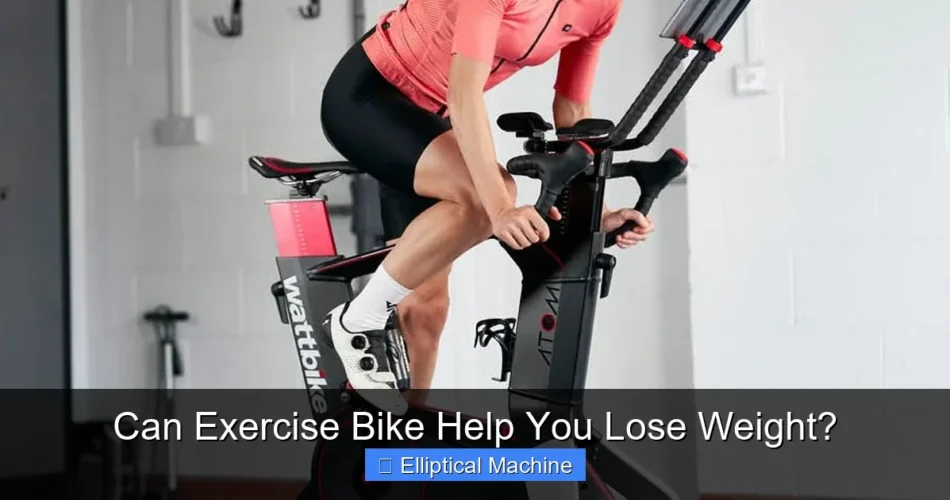
Can Exercise Bike Help You Lose Weight? Yes, absolutely, an exercise bike can be an incredibly effective tool for weight loss when used consistently and as part of a well-rounded fitness and nutrition strategy. This method offers a low-impact yet powerful way to burn calories and improve cardiovascular health, making it accessible for many fitness levels.
Quick Answers to Common Questions
Is an exercise bike actually effective for weight loss?
Absolutely! An exercise bike is a fantastic tool for burning calories and creating the deficit needed to lose weight, especially when you ride consistently. It’s a low-impact way to get a great cardio workout and kickstart your weight loss journey.
How long should I ride my exercise bike to see results?
Aim for at least 30-45 minutes, 3-5 times a week, to effectively use your exercise bike for weight loss. Consistency is key, so find a routine you can stick with and gradually increase your duration or intensity.
Do I need to do anything else besides riding my bike to lose weight?
While riding an exercise bike is incredibly helpful, combining it with a balanced, calorie-controlled diet will significantly boost your weight loss efforts. Also, incorporating some strength training can help build muscle and further increase your metabolism.
📑 Table of Contents
- The Core Mechanism: How Exercise Bikes Promote Weight Loss
- Types of Exercise Bikes and Their Impact on Weight Loss
- Maximizing Your Calorie Burn: Effective Workout Strategies
- Integrating Exercise Bikes into a Holistic Weight Loss Plan
- Tracking Progress and Staying Motivated
- Calorie Burn Estimates for Exercise Bike Workouts
- Conclusion
The Core Mechanism: How Exercise Bikes Promote Weight Loss
At its heart, weight loss boils down to creating a calorie deficit – consuming fewer calories than your body expends. Exercise bikes are champions in this regard, providing an efficient way to burn a significant number of calories, thus contributing directly to that deficit.
Calorie Deficit is Key
Every pedal stroke on an exercise bike contributes to your total daily energy expenditure. The intensity, duration, and your body weight all play roles in how many calories you torch. For example, a person weighing 150 pounds can burn approximately 210-315 calories during a 30-minute moderate-intensity cycling session. Upping the intensity or duration can dramatically increase this number, bringing you closer to your weight loss goals.
Cardiovascular Health Benefits
Beyond direct calorie burning, regular cycling on an exercise bike significantly improves your cardiovascular health. A stronger heart and improved lung capacity mean your body becomes more efficient at delivering oxygen to working muscles, allowing you to sustain longer, more intense workouts. This enhanced endurance translates to greater calorie burn over time and overall better health, which is crucial for sustainable weight management.
Types of Exercise Bikes and Their Impact on Weight Loss
The market offers a variety of exercise bikes, each with unique features that might appeal to different users and workout preferences. Understanding the differences can help you choose the best bike to support your weight loss journey.
Upright Bikes
Upright bikes mimic the posture of a traditional road bike, placing you in a slightly forward-leaning position. They engage core muscles more intensely for balance and posture. This position often allows for higher intensity rides and is excellent for building endurance and burning calories efficiently.
Recumbent Bikes
Recumbent bikes feature a laid-back seating position with back support, making them extremely comfortable and ideal for individuals with back pain or those seeking a less strenuous, joint-friendly workout. While often perceived as less intense, a properly structured workout on a recumbent bike can still deliver substantial calorie burning and cardiovascular benefits, making it a viable approach to lose weight for many.
Spin Bikes (Indoor Cycles)
Spin bikes are designed for high-intensity, group class-style workouts that simulate outdoor cycling. They typically have a weighted flywheel, allowing for smooth, fluid motion and rapid resistance changes. Spin bikes are excellent for HIIT (High-Intensity Interval Training) and vigorous steady-state cardio, making them highly effective for rapid calorie expenditure and improved fitness.
Air Bikes
Air bikes, also known as fan bikes, use a large fan that creates resistance as you pedal and pump the handles. The harder you work, the more resistance the fan generates, making them perfect for full-body, high-intensity workouts. They engage both upper and lower body simultaneously, leading to extremely high calorie burn rates in short periods, a powerful tool in your weight loss arsenal.
Maximizing Your Calorie Burn: Effective Workout Strategies
Simply hopping on an exercise bike isn’t enough; strategic workout planning is key to maximizing your calorie burn and achieving your weight loss targets.
High-Intensity Interval Training (HIIT)
HIIT involves alternating between short bursts of intense exercise and brief recovery periods. For example, you might sprint for 30 seconds, then cycle at a moderate pace for 90 seconds, repeating this cycle for 20-30 minutes. This method is incredibly effective for burning calories during and after the workout (EPOC – Excess Post-exercise Oxygen Consumption, or “afterburn effect”), making it a potent strategy for accelerated weight loss.
Steady-State Cardio
While HIIT is powerful, don’t underestimate steady-state cardio. This involves maintaining a moderate intensity for a longer duration (e.g., 45-60 minutes). It’s excellent for building endurance, improving fat-burning efficiency, and can be more sustainable for beginners or those recovering from intense sessions. A combination of both HIIT and steady-state can offer the best of both worlds.
Progressive Overload
To continue seeing results, your body needs to be challenged. Progressive overload means gradually increasing the demands on your body over time. This could involve:
- Increasing your workout duration.
- Adding more resistance to your bike.
- Cycling at a faster pace.
- Incorporating more challenging interval ratios.
Consistently applying progressive overload ensures your body adapts, burns more calories, and avoids plateaus.
Integrating Exercise Bikes into a Holistic Weight Loss Plan
While an exercise bike is a fantastic component, asking “Can exercise bike help you lose weight?” overlooks the bigger picture. True, sustainable weight loss is a multifaceted journey that requires attention to several pillars beyond just cycling.
Nutrition: The Undeniable Partner
You cannot out-exercise a poor diet. No matter how many calories you burn on your bike, if your dietary intake exceeds your expenditure, weight loss will be elusive. Focus on a balanced diet rich in whole foods, lean proteins, fruits, vegetables, and healthy fats. Portion control and mindful eating are paramount for creating the necessary calorie deficit. An exercise bike is a tool, but nutrition is the foundation.
Strength Training for Metabolism Boost
Incorporating strength training alongside your cycling routine can significantly boost your weight loss efforts. Muscle tissue burns more calories at rest than fat tissue, meaning more muscle equals a higher resting metabolic rate. This translates to burning more calories even when you’re not exercising. Aim for 2-3 strength training sessions per week, targeting major muscle groups.
Consistency and Patience
Weight loss is a marathon, not a sprint. Consistency in your exercise bike routine and dietary habits is far more important than sporadic bursts of intense effort. Be patient with yourself, celebrate small victories, and understand that plateaus are a normal part of the process.
Tracking Progress and Staying Motivated
Monitoring your progress and finding ways to stay motivated are crucial for long-term success with any weight loss strategy, including using an exercise bike.
Setting Realistic Goals
Establish clear, measurable, achievable, relevant, and time-bound (SMART) goals. Instead of “I want to lose weight,” try “I will cycle for 30 minutes, 4 times a week, and reduce my added sugar intake by 50% for the next 8 weeks, aiming for a 1-2 pound weight loss per week.”
Monitoring Metrics
Beyond just the number on the scale, track other metrics:
- Body Measurements: Waist, hips, arms, and thighs can show progress even when weight doesn’t change.
- Fitness Improvements: Can you cycle longer? At a higher resistance? Are your recovery times faster?
- Energy Levels: Notice improvements in daily energy and mood.
- Sleep Quality: Exercise often leads to better sleep, another key factor in weight management.
Overcoming Plateaus
Plateaus are inevitable. When your progress stalls, it’s a sign that your body has adapted. Re-evaluate your calorie intake and exercise intensity. You might need to:
- Increase the duration or intensity of your exercise bike sessions.
- Introduce new workout variations (e.g., more HIIT or varied resistance).
- Slightly adjust your caloric intake downward.
- Ensure you’re getting adequate sleep and managing stress, as these can impact weight loss.
Calorie Burn Estimates for Exercise Bike Workouts
The following table provides approximate calorie burn rates for different exercise bike intensities for individuals of varying body weights. These are estimates and can vary based on individual metabolism, fitness level, and bike type.
| Body Weight (lbs) | Moderate Cycling (30 mins) | Vigorous Cycling (30 mins) | Spin/HIIT (30 mins) |
|---|---|---|---|
| 130 | 180-270 calories | 270-405 calories | 360-540 calories |
| 150 | 210-315 calories | 315-472 calories | 420-630 calories |
| 180 | 252-378 calories | 378-567 calories | 504-756 calories |
| 200 | 280-420 calories | 420-630 calories | 560-840 calories |
Note: These are approximations. Consult a fitness professional for personalized advice.
Conclusion
In conclusion, an exercise bike is an excellent and highly effective tool that can unequivocally help you lose weight. Its low-impact nature, combined with its capacity for both steady-state cardio and high-intensity interval training, makes it suitable for almost anyone looking to burn calories and improve fitness. However, for truly sustainable and significant weight loss, this approach must be integrated into a comprehensive strategy that prioritizes consistent effort, a balanced nutritional plan, and complementary strength training. By committing to these elements, you’ll find your exercise bike not just a piece of equipment, but a powerful ally on your journey to a healthier, lighter you.
Frequently Asked Questions
Does using an exercise bike effectively help with weight loss?
Yes, an exercise bike is a highly effective tool for weight loss. It provides an excellent cardiovascular workout, burning calories and contributing to a calorie deficit, which is crucial for shedding pounds. Consistent use, combined with a healthy diet, can lead to significant weight loss results.
How often and for how long should I ride an exercise bike to lose weight?
For effective weight loss, aim for at least 150-300 minutes of moderate-intensity exercise bike use per week. This could translate to 30-60 minute sessions, 3-5 times a week. Consistency is key, so find a schedule that you can stick to over the long term.
What kind of diet should I follow when using an exercise bike for weight loss?
To maximize weight loss efforts from your exercise bike, focus on a balanced, calorie-controlled diet rich in whole foods. Prioritize lean proteins, fruits, vegetables, and whole grains, while limiting processed foods, sugary drinks, and excessive unhealthy fats. Creating a calorie deficit through diet and exercise is essential.
Is an exercise bike suitable for everyone looking to lose weight?
An exercise bike is generally very suitable for most individuals, especially due to its low-impact nature, which is gentle on joints. However, if you have any pre-existing health conditions or concerns, it’s always advisable to consult with a healthcare professional before starting any new exercise regimen to ensure it’s safe for you.
When you purchase a product through Amazon links on EllipticalKing.com, we may earn a small commission at no extra cost to you. This helps support the site and keep our content free. As an Amazon Associate, We earn from qualifying purchases