
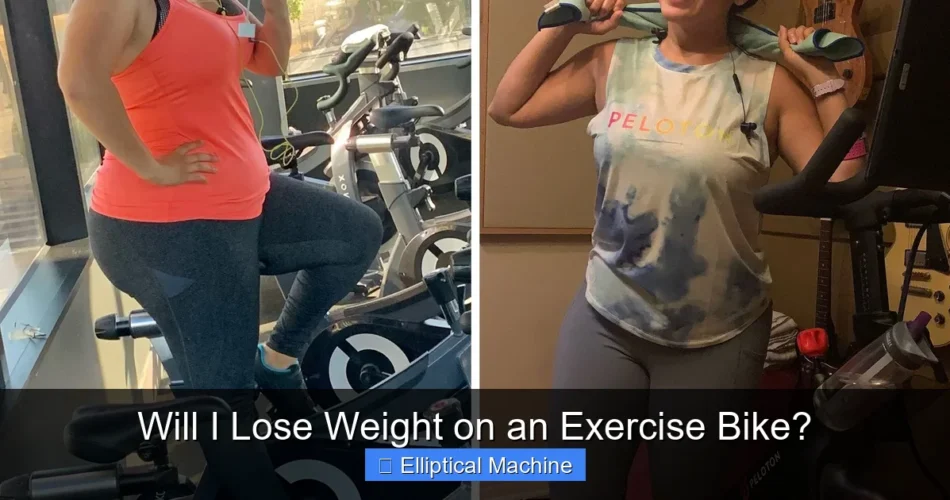
Will I Lose Weight on an Exercise Bike? The direct answer is yes, absolutely, you can achieve significant weight loss through consistent use of an exercise bike. This method provides an excellent cardiovascular workout, burning calories and contributing to the necessary caloric deficit for shedding pounds. Embracing this approach can be a highly effective strategy for improving your body composition and overall health.
Quick Answers to Common Questions
Can I lose weight just by riding an exercise bike?
While an exercise bike is a fantastic tool for burning calories, significant weight loss primarily happens when you create a consistent calorie deficit. Combine your rides with mindful eating for the best results!
How often should I use my exercise bike to see weight loss?
Consistency is key! Aim for at least 3-5 sessions per week, varying your intensity and duration, to effectively burn calories and boost your metabolism on your exercise bike.
Is an exercise bike really good for weight loss compared to other workouts?
Absolutely! An exercise bike provides an excellent low-impact cardiovascular workout, making it superb for calorie burning without putting stress on your joints. It’s a highly effective component of any weight loss strategy.
📑 Table of Contents
The Core Principle: Calories In vs. Calories Out
Understanding the fundamental equation of weight loss is crucial: to lose weight, you must burn more calories than you consume. An exercise bike is a powerful tool in increasing your caloric expenditure, but it’s only one part of the equation. Your body constantly burns calories through its basal metabolic rate (BMR) and daily activities. Adding dedicated exercise like cycling significantly boosts this burn.
Understanding Your Basal Metabolic Rate (BMR)
Your BMR is the number of calories your body needs to perform basic, life-sustaining functions at rest, such as breathing, circulation, cell production, and nutrient processing. Factors like age, gender, weight, height, and genetics influence your BMR. It forms the baseline for your daily caloric needs. To effectively embark on a weight loss journey, knowing your approximate BMR can help you calculate your total daily energy expenditure (TDEE), which includes calories burned during activity.
The Role of Caloric Deficit
To lose one pound of body fat, you need to create a caloric deficit of approximately 3,500 calories. This deficit can be achieved through a combination of dietary changes (reducing calorie intake) and increased physical activity (burning more calories). Relying solely on exercise or solely on diet can be challenging. A balanced approach, where you moderately reduce your intake and consistently increase your output through activities like using an exercise bike, is typically the most sustainable and effective.
How Cycling Burns Calories
Stationary cycling is an efficient way to burn calories. The number of calories you burn depends on several factors, including your body weight, the intensity of your workout, and its duration. A heavier person will generally burn more calories than a lighter person doing the same workout because their body requires more energy to move. Similarly, a high-intensity session will burn more calories per minute than a low-intensity one. Regular, consistent cycling sessions contribute significantly to your overall daily calorie burn, making it easier to achieve and maintain a caloric deficit.
Designing Your Exercise Bike Workout for Maximum Fat Loss
To maximize your weight loss potential on an exercise bike, strategically structuring your workouts is key. Simply pedaling at a leisurely pace without a plan might yield some results, but targeted approaches will accelerate your progress and keep you engaged.
High-Intensity Interval Training (HIIT)
HIIT involves short bursts of intense exercise followed by brief recovery periods. For an exercise bike, this means alternating between periods of maximum effort (e.g., sprinting or high resistance) and periods of low-intensity cycling. HIIT workouts are incredibly effective for calorie burning, even after the workout is over (known as the “afterburn effect” or EPOC – Excess Post-exercise Oxygen Consumption). A typical HIIT session might involve 30-60 seconds of all-out effort followed by 60-90 seconds of easy pedaling, repeated for 20-30 minutes.
Steady-State Cardiovascular Training (LISS)
Low-Intensity Steady-State (LISS) cardio involves exercising at a moderate, consistent pace for a longer duration, typically 30-60 minutes or more. While it doesn’t offer the same “afterburn” as HIIT, LISS is excellent for improving cardiovascular endurance and burning a significant number of calories during the session itself. It’s also less demanding on the body, making it a great option for beginners or for recovery days. Combining both HIIT and LISS throughout your week can offer a well-rounded approach to fitness and fat loss.
The Importance of Progressive Overload
To continue seeing results, your body needs to be continually challenged. This concept is known as progressive overload. On an exercise bike, this means gradually increasing the intensity, duration, or frequency of your workouts over time. For example, you might increase your resistance, pedal faster, extend your cycling time, or add another session to your week. Without progressive overload, your body adapts, and your calorie burn might plateau, stalling your weight loss progress. Continuously pushing your limits (safely) ensures ongoing adaptation and improved results.
Beyond the Bike: Nutrition and Lifestyle Factors
While an exercise bike is a powerful tool, it’s essential to remember that weight loss is a holistic endeavor. Your efforts on the bike must be supported by smart dietary choices and healthy lifestyle habits for sustainable success. This approach ensures your body receives the right fuel and recovers properly.
Fueling Your Body for Weight Loss
What you eat plays an even bigger role than exercise in creating a caloric deficit. Focus on a diet rich in whole, unprocessed foods. Prioritize lean proteins (chicken, fish, legumes), complex carbohydrates (whole grains, vegetables), and healthy fats (avocado, nuts, olive oil). These foods provide sustained energy, promote satiety, and support muscle repair. Limiting sugary drinks, processed snacks, and excessive portion sizes is critical. Think of your nutrition as the foundation upon which your exercise efforts build.
Hydration is Key
Staying adequately hydrated is often overlooked but incredibly important for weight loss and overall health. Water helps with metabolism, nutrient transport, and regulating body temperature, especially during exercise. Drinking enough water can also help you feel fuller, potentially reducing overall calorie intake. Aim for at least 8 glasses of water a day, and even more when you’re exercising intensely or in hot environments.
Sleep and Stress Management
The importance of sleep and stress management cannot be overstated in the context of weight loss. Lack of sleep can disrupt hormones that regulate appetite (ghrelin and leptin), leading to increased hunger and cravings for unhealthy foods. Chronic stress can elevate cortisol levels, which can promote fat storage, particularly around the abdomen. Prioritizing 7-9 hours of quality sleep per night and finding effective ways to manage stress (e.g., meditation, hobbies, spending time in nature) will significantly support your weight loss efforts and overall well-being.
Common Mistakes and How to Avoid Them
Even with the best intentions, individuals new to exercise or specific equipment like an exercise bike can fall into common traps that hinder their progress. Recognizing and actively avoiding these pitfalls is crucial for a successful and sustainable weight loss journey.
Overtraining and Burnout
Pushing yourself too hard, too fast, or without adequate rest can lead to overtraining, which not only increases your risk of injury but can also cause fatigue, mood disturbances, and even suppress your immune system. This often results in burnout, making it harder to stick to your routine. Listen to your body, incorporate rest days, and ensure a balance between intense workouts and active recovery sessions. Consistency over extreme intensity is the key to long-term success with this practice.
Neglecting Strength Training
While cardiovascular exercise like cycling is excellent for burning calories, incorporating strength training into your routine is vital for comprehensive weight loss. Muscle tissue burns more calories at rest than fat tissue. Building and maintaining muscle mass through activities like bodyweight exercises, lifting weights, or resistance band training will boost your metabolism and help you achieve a leaner, more toned physique. A balanced fitness plan includes both cardio and strength components for optimal results.
Inconsistent Effort
One of the biggest obstacles to weight loss is inconsistency. Sporadic workouts, even intense ones, will not yield the same results as regular, moderate effort. Life happens, and missing a workout occasionally is fine, but making it a habit to skip sessions or not push yourself sufficiently during your time on the bike will slow your progress. Establish a realistic workout schedule and stick to it as much as possible. Motivation often follows action, so just getting on the bike can be the hardest part.
Tracking Progress and Staying Motivated
The journey to weight loss can be long, and staying motivated is essential. Effective tracking and celebrating small victories can keep you engaged and committed to your goals while using an exercise bike or any other fitness method.
Setting Realistic Goals
Start with achievable, measurable goals. Instead of aiming to lose a large amount of weight in a short period, focus on losing 1-2 pounds per week. Set performance-based goals, such as cycling for 30 minutes without stopping, increasing your average speed, or completing a certain distance. Realistic goals prevent discouragement and provide continuous milestones to celebrate, reinforcing your commitment to this method.
Utilizing Data from Your Exercise Bike
Many modern exercise bikes come with consoles that track various metrics like distance, speed, time, calories burned, and even heart rate. Use this data to your advantage. Monitor your progress over time; seeing improvements in your speed or distance can be incredibly motivating. Consider keeping a workout log to document your sessions and observe your trends. This objective feedback can highlight areas for improvement and confirm that your efforts are paying off.
The Power of Community and Accountability
Sharing your goals and progress with others can significantly boost your motivation. Join an online fitness community, find a workout buddy, or even just inform friends and family of your intentions. Accountability partners can provide encouragement, friendly competition, and a sense of responsibility to stick with your routine. Celebrating successes and navigating challenges together makes the weight loss journey more enjoyable and sustainable.
Calorie Burn on an Exercise Bike (Approximate)
The table below illustrates approximate calorie burn for an average 30-minute session on an exercise bike, based on body weight and intensity. These figures are estimates and can vary based on individual metabolism, exact resistance, and effort.
| Body Weight (lbs) | Light Intensity (Calories/30 min) | Moderate Intensity (Calories/30 min) | Vigorous Intensity (Calories/30 min) |
|---|---|---|---|
| 125 | 100 – 150 | 180 – 240 | 270 – 360 |
| 150 | 120 – 180 | 210 – 290 | 320 – 430 |
| 175 | 140 – 210 | 250 – 340 | 370 – 500 |
| 200 | 160 – 240 | 280 – 380 | 420 – 570 |
(Note: “Vigorous Intensity” can include periods of HIIT or consistently high resistance.)
Conclusion
Indeed, using an exercise bike is a highly effective way to support your weight loss goals, offering a low-impact, high-reward cardiovascular workout. By understanding the principles of caloric deficit, incorporating varied workout intensities like HIIT and LISS, and committing to progressive overload, you can significantly enhance your calorie expenditure. However, the true secret to lasting success lies in integrating this consistent exercise with a balanced nutritional strategy, adequate sleep, and effective stress management. Avoid common pitfalls, set realistic goals, and leverage the data and motivation tools available to you. Embrace the journey on your exercise bike, and you’ll find it an invaluable component of your overall health and weight management strategy, proving that this practice can absolutely lead to sustainable weight loss.
Frequently Asked Questions
Can I lose weight specifically by using an exercise bike?
Yes, absolutely! An exercise bike is a highly effective tool for weight loss because it helps you burn calories, which is essential for creating a calorie deficit. Consistent cycling can significantly contribute to your overall weight loss goals when combined with healthy eating.
How does regular exercise bike use contribute to weight loss?
Exercise bikes facilitate weight loss by providing a cardiovascular workout that burns calories and elevates your heart rate. This process improves your metabolism and encourages your body to utilize stored fat for energy, helping you reduce body fat over time.
How many calories can I burn during a typical session on an exercise bike?
The number of calories burned on an exercise bike varies greatly depending on your body weight, the intensity, and the duration of your workout. A moderate 30-minute session can burn anywhere from 200 to 400 calories, with higher intensity or longer rides burning even more.
How often should I ride my exercise bike to maximize weight loss?
For effective weight loss, it’s generally recommended to use your exercise bike for at least 30-60 minutes, three to five times a week. Consistency is paramount, so finding a routine you can adhere to regularly will yield the best and most sustainable results.
Is diet more important than exercising on an exercise bike for losing weight?
Both diet and exercise are crucial for successful weight loss, but diet often plays a larger role in creating the necessary calorie deficit. While an exercise bike helps burn calories, maintaining a healthy, balanced diet with controlled portions is essential for sustainable and significant weight loss results.
What kind of weight loss results can I expect from consistent exercise bike workouts?
The timeline for seeing weight loss results from consistent exercise bike workouts varies based on individual factors like starting weight, diet, and exercise intensity. With regular effort and a healthy diet, you might start noticing changes within a few weeks, with more significant results becoming apparent over several months.
When you purchase a product through Amazon links on EllipticalKing.com, we may earn a small commission at no extra cost to you. This helps support the site and keep our content free. As an Amazon Associate, We earn from qualifying purchases