
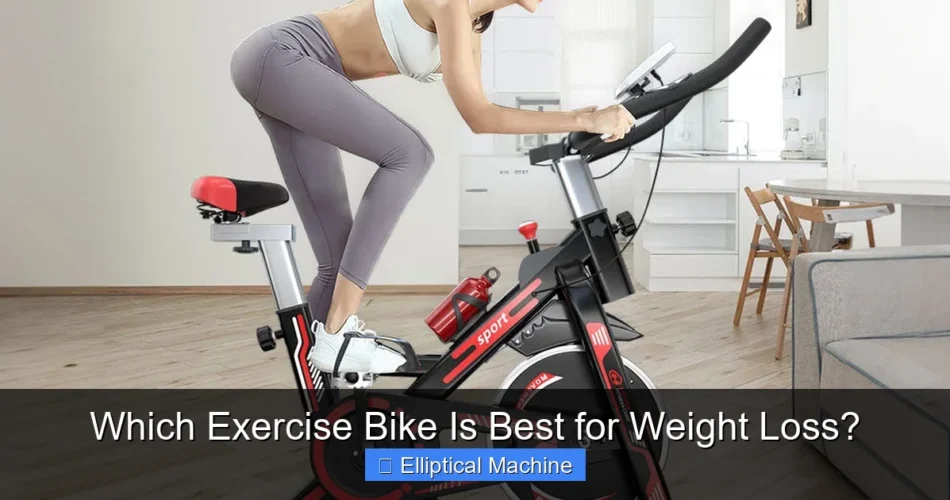
Which Exercise Bike Is Best for Weight Loss? The direct answer is that the optimal choice largely depends on your personal fitness level, budget, and workout preferences. Each type of exercise bike offers unique advantages, making “this method” of cardio an accessible and effective way to shed pounds when coupled with consistent effort.
Understanding the different categories of exercise bikes can help you make an informed decision for your weight loss journey. This approach ensures you invest in a machine that you will enjoy using regularly, which is paramount for achieving sustainable results.
Quick Answers to Common Questions
Which type of exercise bike is best for weight loss?
For effective weight loss, spin bikes and upright bikes are often recommended because they naturally encourage a more intense, full-body engagement, perfect for high-intensity interval training (HIIT).
Do I need a fancy, expensive exercise bike to see weight loss results?
Not at all! While higher-end models offer more features and comfort, the most important factor for an exercise bike best for weight loss is your consistent effort and enjoyment of the ride, regardless of its price tag.
Beyond the bike type, what’s one crucial feature to look for in an exercise bike for weight loss?
Look for an exercise bike with a comfortable seat and smooth, adjustable resistance levels, as these features will help you stay motivated for longer, more consistent workouts, which is truly crucial for weight loss.
📑 Table of Contents
Understanding the Types of Exercise Bikes for Calorie Burn
When considering an exercise bike for effective weight management, it’s crucial to distinguish between the primary types available. Each design caters to different needs and offers varying benefits regarding comfort, intensity, and muscle engagement. Knowing these distinctions will guide you toward the best option for your fitness goals.
Recumbent Bikes: Comfort and Support
Recumbent bikes feature a laid-back seating position with a backrest, positioning your feet in front of your body. This design offers superior lumbar support and redistributes your body weight, making it an excellent choice for individuals with back issues, joint pain, or those seeking a more comfortable, low-impact workout.
- Pros: Exceptional comfort, reduced strain on joints and back, stable platform, suitable for prolonged workouts.
- Cons: Generally lower intensity compared to upright or spin bikes, less core engagement, larger footprint.
- Best For: Beginners, individuals recovering from injuries, seniors, those seeking low-impact, steady-state cardio for gradual fat reduction.
Upright Bikes: The Traditional Cycling Experience
Upright bikes mimic the posture of a traditional road bicycle, with the rider sitting vertically and pedaling directly below them. They engage your core more than a recumbent bike and allow for standing positions, though less stable than a spin bike. This type of machine is a versatile option for moderate to intense workouts.
- Pros: Compact design, good for moderate to high-intensity workouts, engages core and lower body, generally more affordable.
- Cons: Can put pressure on wrists and lower back, less comfortable seat than recumbent bikes, limited full-body engagement.
- Best For: General fitness enthusiasts, those with limited space, individuals looking for a solid cardio workout without extreme intensity.
Spin Bikes (Indoor Cycles): High-Intensity for Maximum Results
Spin bikes are designed to replicate the feel of outdoor road cycling, featuring a heavy flywheel, adjustable handlebars, and a racing-style seat. They allow for various riding positions, including standing, which facilitates high-intensity interval training (HIIT) and intense calorie-burning sessions. The process of consistent high-intensity training with these bikes can lead to significant fat loss.
- Pros: Excellent for HIIT workouts, high calorie burn, robust construction, adjustable to fit various body types, mimics outdoor cycling.
- Cons: Less comfortable seat, intense on joints if not used properly, minimal built-in programs, requires more active posture.
- Best For: Serious cyclists, individuals focused on high-intensity training, those looking to maximize calorie expenditure in shorter periods.
Air Bikes (Fan Bikes): Full-Body Engagement for Serious Calorie Burn
Air bikes, also known as fan bikes or assault bikes, utilize a fan instead of a flywheel for resistance. What makes them unique is the synchronized arm and leg motion; as you pedal, you also push and pull handlebars, creating a full-body workout. The harder you pedal and push, the greater the resistance, leading to an incredibly effective, high-intensity calorie burn.
- Pros: Full-body workout, exceptional calorie expenditure, infinitely scalable resistance, durable design, low impact.
- Cons: Noisy, high initial cost, intense workouts can be challenging for beginners.
- Best For: Athletes, individuals seeking maximum calorie burn and full-body conditioning, those committed to intense interval training.
Finding the Best Exercise Bike for Weight Loss: Key Factors to Consider
Choosing the right exercise bike involves more than just picking a type. Several other factors play a critical role in ensuring your investment supports your long-term weight loss goals and provides a satisfying workout experience. Consider these elements carefully before making a purchase.
Resistance System: Magnetic vs. Friction vs. Air
- Magnetic Resistance: Found in many upright, recumbent, and some spin bikes. Offers smooth, quiet operation and precise control over resistance levels. Requires less maintenance.
- Friction Resistance: Common in traditional spin bikes, using felt pads to create resistance against the flywheel. Provides a realistic road feel but can be noisy and requires pad replacement.
- Air Resistance: Exclusive to air bikes. Resistance increases with the effort you put in, offering an unlimited challenge. Can be noisy due to the fan.
Comfort and Adjustability
Regardless of which exercise bike is best for weight loss for you, if it’s not comfortable, you won’t use it. Look for adjustable seats (height and fore/aft), adjustable handlebars, and padded seats (though spin bike seats are often intentionally firm). Test different models if possible to ensure a comfortable fit for your body.
Technology and Features
Modern exercise bikes come with a range of features that can enhance your workout experience and track progress. These include:
- Workout Programs: Pre-set routines like hills, intervals, and fat-burn programs.
- Heart Rate Monitoring: Built-in sensors or compatibility with chest straps for optimal zone training.
- Connectivity: Bluetooth for syncing with fitness apps (Peloton, Zwift, MyFitnessPal) or virtual coaching platforms.
- Display: Clear consoles showing time, distance, speed, calories burned, and resistance level.
Budget and Space Considerations
Exercise bikes vary widely in price, from a few hundred to several thousand dollars. Determine your budget beforehand. Also, consider the available space in your home. Upright bikes are generally more compact, while recumbent and air bikes can require more floor space. Some upright bikes offer folding designs for storage.
Your Current Fitness Level and Goals
Your fitness level dictates the intensity you can handle initially. If you’re a beginner or have health limitations, a recumbent bike might be ideal. If you’re experienced and aiming for intense cardio, a spin or air bike could be more suitable. Aligning the bike’s capabilities with your goals is crucial for long-term adherence to this practice.
Optimizing Your Workouts for Maximum Fat Loss
Simply owning an exercise bike isn’t enough; how you use it significantly impacts your weight loss results. Incorporating strategic workout methods can dramatically boost your calorie expenditure and improve your body composition.
High-Intensity Interval Training (HIIT)
HIIT involves short bursts of intense exercise followed by brief recovery periods. This method is highly effective for burning calories during and after the workout (EPOC – Excess Post-exercise Oxygen Consumption). Spin and air bikes are particularly well-suited for HIIT protocols due to their robust resistance systems.
- Example: 30-60 seconds of all-out sprinting, followed by 60-90 seconds of active recovery, repeated for 20-30 minutes.
Steady-State Cardio
Longer, moderate-intensity workouts are excellent for improving cardiovascular endurance and burning a steady amount of calories. Recumbent and upright bikes are great for these types of sessions, allowing you to maintain a consistent pace for an extended period.
- Example: Cycling at a comfortable pace where you can hold a conversation, for 30-60 minutes.
Consistency is Key
The most important factor in any weight loss program is consistency. Aim for at least 3-5 cycling sessions per week. Even short, consistent workouts are more effective than sporadic, intense sessions. Regularity with this technique builds habits and ensures progress.
Combine with Strength Training and Nutrition
While exercise bikes are fantastic for cardio and calorie burning, a holistic approach yields the best weight loss results. Incorporate strength training 2-3 times a week to build muscle, which boosts your metabolism. Pair your exercise routine with a balanced, calorie-controlled diet to create the necessary energy deficit for fat reduction.
Comparison of Exercise Bike Types for Weight Loss
To help visualize the differences, here’s a comparative table highlighting key aspects of each bike type regarding its suitability for weight loss.
| Bike Type | Calorie Burn Potential | Intensity Level | Comfort Level | Body Engagement | Ideal For |
|---|---|---|---|---|---|
| Recumbent Bike | Moderate | Low to Moderate | High (back support) | Primarily Lower Body | Beginners, injury recovery, seniors, long steady rides |
| Upright Bike | Moderate to High | Moderate to High | Medium (standard saddle) | Lower Body, some Core | General fitness, moderate intensity, space-conscious users |
| Spin Bike | High to Very High | High to Very High | Low to Medium (race saddle) | Lower Body, Core | HIIT, serious cyclists, maximum calorie burn |
| Air Bike | Very High (Full Body) | Very High (Unlimited) | Medium (standard saddle) | Full Body (Arms, Legs, Core) | Athletes, intense conditioning, maximum full-body burn |
Conclusion
Ultimately, determining which exercise bike is best for weight loss comes down to individual preference and consistent use. While spin and air bikes offer the highest calorie burn potential through intense full-body or HIIT workouts, recumbent and upright bikes provide excellent low-impact options for sustained cardio and comfort. The most effective machine for your weight loss journey will be the one you are most likely to use regularly and with enthusiasm.
Prioritize comfort, adjustability, and features that motivate you. Couple your cycling routine with a balanced diet and strength training for the most comprehensive and sustainable results. Regardless of the machine you choose, committing to the practice and pushing your limits will be your greatest allies in achieving your weight loss goals.
Frequently Asked Questions
Which type of exercise bike is best for weight loss?
While all exercise bikes can contribute to weight loss, spin bikes are often recommended for their intensity, which allows for higher calorie burn through HIIT workouts. Upright and recumbent bikes are excellent for steady-state cardio and offer great joint support, making them suitable for longer, consistent exercise sessions.
How long and how often should I use an exercise bike for effective weight loss?
For effective weight loss, aim for at least 150-300 minutes of moderate-intensity cycling per week, or 75-150 minutes of vigorous intensity. Breaking this into 30-60 minute sessions, 3-5 times a week, is a great starting point, but consistency is more crucial than single long sessions.
What features should I look for in an exercise bike specifically for weight loss?
Look for bikes with adjustable resistance levels to allow for progressive overload and high-intensity interval training (HIIT), which is very effective for burning fat. A comfortable seat and robust build quality are also important to ensure you can stick to your routine without discomfort or worrying about durability.
Can an exercise bike help me lose belly fat specifically?
Exercise bikes contribute to overall fat loss, which includes reducing belly fat over time, but they don’t allow for “spot reduction.” Consistent cycling, combined with a healthy diet, will create a calorie deficit leading to fat loss from all areas of your body, including the midsection.
When you purchase a product through Amazon links on EllipticalKing.com, we may earn a small commission at no extra cost to you. This helps support the site and keep our content free. As an Amazon Associate, We earn from qualifying purchases