
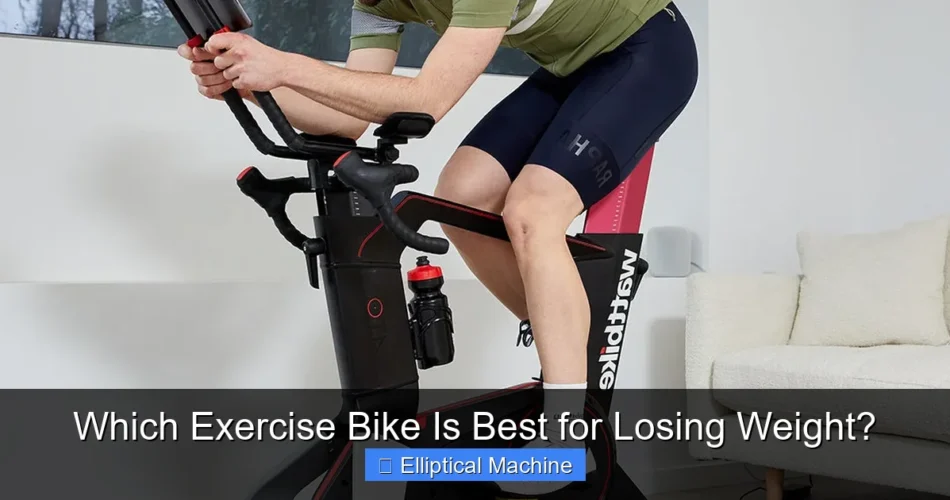
Determining which exercise bike is best for losing weight largely depends on individual fitness levels, goals, and comfort preferences, as each type offers unique benefits for calorie burning and muscle engagement. While all stationary bikes can contribute significantly to fat loss when used consistently with proper nutrition, selecting the right model can optimize your efforts and enhance your overall experience. This guide will explore the various exercise bike options, helping you identify the ideal choice to achieve your weight loss aspirations.
Engaging in regular cardiovascular exercise, like cycling on an indoor bike, is a proven method for creating a calorie deficit necessary for shedding pounds. The key lies in finding an approach that you can sustain long-term, enjoying the process enough to make it a regular part of your routine. Let’s delve into the specifics of different exercise bikes and how they stack up for effective weight management.
Quick Answers to Common Questions
Which type of exercise bike is best for burning calories and losing weight?
For maximizing calorie burn and boosting your metabolism, upright and spin bikes (or indoor cycles) are often considered the top choice for losing weight due to their intense, high-energy workout potential.
Are recumbent exercise bikes effective for weight loss?
Yes, absolutely! Recumbent exercise bikes provide excellent low-impact cardio, which is crucial for sustained fat burning and losing weight, making them a great option if comfort or back support is a priority.
Do I need an expensive exercise bike to successfully lose weight?
Not at all! The most effective exercise bike for losing weight is truly the one you’ll use consistently and enjoy. Focus on finding a comfortable, sturdy model with adjustable resistance that fits your budget, as consistency trumps price every time.
📑 Table of Contents
- Understanding Different Types of Exercise Bikes for Weight Loss
- Key Factors for Weight Loss Success on an Exercise Bike
- Detailed Look at Each Bike Type for Calorie Burn and Comfort
- Choosing the Right Exercise Bike for Your Weight Loss Goals
- Maximizing Your Weight Loss Potential with Your Exercise Bike
- Comparing Exercise Bikes for Weight Loss
- Conclusion
Understanding Different Types of Exercise Bikes for Weight Loss
Before you commit to a purchase, it’s essential to understand the primary types of exercise bikes available and their distinct characteristics. Each design offers a different riding experience, targeting muscle groups and intensity levels uniquely. Familiarizing yourself with these options is the first step in making an informed decision for your weight loss journey.
Recumbent Exercise Bikes
Recumbent bikes feature a laid-back seating position with a larger seat and back support, placing the pedals out in front of the rider. This design significantly reduces strain on the back and joints, making them an excellent choice for individuals with back pain, joint issues, or those seeking a more comfortable, low-impact workout. While often perceived as less intense, a recumbent bike can still provide a robust cardiovascular workout and burn a substantial number of calories, especially when utilizing interval training.
Upright Exercise Bikes
Upright bikes mimic the traditional outdoor cycling experience, with the rider sitting in an upright position directly over the pedals. They typically have a smaller, narrower seat, similar to a road bike. This style engages the core muscles more effectively than a recumbent bike and allows for alternating between sitting and standing, which can increase workout intensity and calorie expenditure. Upright bikes are versatile and a popular choice for general fitness and weight loss.
Spin Bikes (Indoor Cycle Trainers)
Spin bikes, or indoor cycle trainers, are designed to replicate the feel of outdoor road cycling as closely as possible. They feature a heavy flywheel, often a race-style saddle, and handle-bar positioning that encourages a forward-leaning, aggressive riding posture. Spin bikes excel at delivering high-intensity, challenging workouts that can rapidly elevate heart rate and burn a significant amount of calories. They are ideal for high-intensity interval training (HIIT) and simulated hill climbs, making them a powerful tool for accelerated weight loss.
Air Bikes (Fan Bikes)
Air bikes, also known as fan bikes or assault bikes, utilize a large fan that creates resistance as you pedal and simultaneously pump your arms. This full-body engagement means you’re working both your upper and lower body, as well as your core, simultaneously. The resistance is dynamic – the harder you push, the more resistance the fan generates. This makes air bikes exceptionally effective for high-intensity, short-burst workouts, leading to very high calorie expenditure and significant metabolic afterburn, which aids in weight loss even after your workout ends.
Key Factors for Weight Loss Success on an Exercise Bike
Choosing the right bike is only part of the equation; understanding how to use it effectively is crucial for maximizing your weight loss results. Several factors play a significant role in determining how many calories you burn and how quickly you achieve your goals.
Workout Intensity and Calorie Burn
The intensity of your workout directly correlates with calorie expenditure. Higher intensity workouts, like HIIT (High-Intensity Interval Training), involve short bursts of maximum effort followed by periods of rest or lower intensity. This method is highly effective for burning calories during and after the workout (EPOC – Excess Post-exercise Oxygen Consumption). Lower intensity, steady-state cardio (LISS) can also be effective, especially for beginners or those preferring longer sessions.
Resistance Levels
Adjustable resistance is vital for progressing your workouts and challenging your muscles. Higher resistance simulates uphill climbs, engaging more muscle fibers and increasing caloric output. Ensure the bike you choose offers a wide range of resistance settings to allow for varied training and continuous improvement.
Comfort and Ergonomics
Comfort is paramount for consistency. If your bike is uncomfortable, you’ll be less likely to use it regularly. Consider factors like seat adjustability, handlebar position, and overall ride feel. Recumbent bikes offer superior back support, while upright and spin bikes require a more engaged posture that some may find less comfortable initially.
Tracking and Technology
Many modern exercise bikes come equipped with consoles that display important metrics like distance, speed, time, calories burned, and heart rate. Some even offer integrated workout programs, virtual courses, or connectivity to fitness apps. These features can help you stay motivated, track progress, and ensure you’re working within your target heart rate zones for optimal fat burning.
Detailed Look at Each Bike Type for Calorie Burn and Comfort
Let’s break down each bike type further to understand its specific advantages and disadvantages when the goal is to shed pounds effectively.
Recumbent Bikes: Pros and Cons for Weight Loss
- Pros: Excellent for comfort and joint support, suitable for beginners, seniors, or those with injuries. Can still achieve a good cardio workout, especially with varied resistance and intervals.
- Cons: Less core engagement compared to upright or spin bikes. May feel less intense for advanced users, potentially leading to lower calorie burn per session if not actively pushing intensity.
Upright Bikes: Balancing Comfort and Intensity
- Pros: Good balance of comfort and intensity, mimicking outdoor cycling. Engages core muscles more than recumbent bikes. Allows for standing sprints to boost calorie burn. Generally space-efficient.
- Cons: Seat comfort can be an issue for some, though aftermarket seats are available. Less aggressive posture than a spin bike for very high-intensity training.
Spin Bikes/Indoor Cycles: The High-Intensity Option
- Pros: Designed for high-intensity, immersive workouts. Heavy flywheel creates a smooth, road-like feel. Excellent for HIIT, intense sprints, and simulated hill climbs, leading to maximum calorie burn. Strong focus on lower body, but can engage core.
- Cons: Aggressive riding position may not be comfortable for everyone. Can be intimidating for beginners due to perceived intensity. Typically lack advanced digital features found on other bikes.
Air Bikes: Full-Body Calorie Torchers
- Pros: Unmatched for full-body calorie expenditure due to simultaneous arm and leg work. Dynamic resistance means you can always push harder. Exceptional for HIIT and building overall endurance and strength, leading to a high metabolic afterburn.
- Cons: Can be very challenging and uncomfortable for long, steady-state sessions due to the intensity. Noise from the fan can be a factor for some users.
Choosing the Right Exercise Bike for Your Weight Loss Goals
The best exercise bike for weight loss is ultimately the one you will use consistently. Consider your personal circumstances, fitness level, and health constraints when making your choice.
Considering Your Fitness Level and Health
- Beginners or those with joint issues: A recumbent bike is often the safest and most comfortable starting point, allowing you to build fitness without excessive strain.
- Intermediate users looking for versatility: An upright bike offers a balanced approach, good for varied workouts and general fitness.
- Advanced users seeking intense challenges: A spin bike or air bike will provide the high-intensity workouts needed to push your limits and maximize calorie burn.
Budget and Space Considerations
Exercise bikes vary widely in price and footprint. Spin bikes and higher-end air bikes can be more expensive, while upright and recumbent bikes come in a wider range of price points. Consider how much space you have available, as some models are larger than others, and foldable options exist for upright bikes.
Trial and Error
If possible, try out different types of bikes at a gym or sporting goods store. Sitting on them and even trying a short ride can give you a much better feel for what will be comfortable and motivating for you over the long term. This approach can prevent buyer’s remorse and ensure you invest in the ideal equipment for your journey towards a healthier weight.
Maximizing Your Weight Loss Potential with Your Exercise Bike
Once you have your exercise bike, implementing effective training strategies is key to seeing results. Consistency, coupled with smart training and dietary habits, will amplify your efforts.
Effective Training Strategies
- High-Intensity Interval Training (HIIT): This involves alternating between short bursts of maximum effort (e.g., 30-60 seconds) and recovery periods (e.g., 1-2 minutes) for 20-30 minutes. HIIT is incredibly effective for calorie burning and improving cardiovascular fitness.
- Steady-State Cardio (LISS): Longer, moderate-intensity rides (45-60 minutes) at a consistent pace are excellent for building endurance and burning fat, especially for those new to exercise.
- Resistance Training Integration: Don’t forget to incorporate strength training into your routine. Building muscle mass boosts your metabolism, helping you burn more calories even at rest.
- Vary Your Workouts: Prevent plateaus and boredom by changing your routine. Experiment with different resistance levels, speeds, and workout durations.
Nutrition and Hydration
Exercise alone is often not enough for significant weight loss. A balanced diet rich in whole foods, lean proteins, fruits, and vegetables, combined with adequate hydration, is fundamental. Focus on creating a sustainable calorie deficit without resorting to extreme diets.
Consistency and Patience
Weight loss is a marathon, not a sprint. Regular, consistent effort on your exercise bike will yield the best results over time. Aim for at least 3-5 sessions per week, and be patient with your progress. Celebrate small victories and stay motivated by tracking your improvements.
Comparing Exercise Bikes for Weight Loss
This table offers a quick overview to help you compare the main types of exercise bikes based on common weight loss considerations.
| Bike Type | Primary Benefit for Weight Loss | Comfort Level | Intensity Potential | Target User | Typical Calorie Burn (30 min, moderate-vigorous)* |
|---|---|---|---|---|---|
| Recumbent Bike | Low-impact, sustained cardio | Very High (back support) | Moderate to High | Beginners, rehab, joint issues | 200-300 calories |
| Upright Bike | Versatile cardio, core engagement | Moderate (adjustable) | Moderate to High | General fitness, home users | 250-400 calories |
| Spin Bike | High-intensity, immersive cycling | Moderate (aggressive posture) | High to Very High | Advanced users, HIIT lovers | 350-600+ calories |
| Air Bike | Full-body, explosive calorie burn | Moderate (demanding workout) | Very High (dynamic) | Fitness enthusiasts, CrossFitters | 400-800+ calories |
| *Estimated calorie burn for a 150lb individual, can vary significantly based on individual factors, intensity, and duration. | |||||
The “Which Exercise Bike Is Best for Losing Weight?” question truly boils down to finding a machine that aligns with your physical needs, motivation, and lifestyle. Each bike type—recumbent, upright, spin, and air—offers a distinct pathway to burning calories and shedding pounds.
Conclusion
In conclusion, there isn’t a single “best” exercise bike for everyone looking to lose weight; the optimal choice is highly individual. Recumbent bikes offer comfort and joint protection, ideal for beginners or those with physical limitations. Upright bikes provide a versatile, balanced workout experience. Spin bikes are excellent for intense, high-calorie-burning sessions, mimicking outdoor cycling. Air bikes deliver a full-body challenge, perfect for maximizing calorie expenditure and metabolic boost. Regardless of the type you choose, consistency, progressive overload, and a balanced diet are the true drivers of weight loss success. Invest in a bike that you’ll enjoy using regularly, and commit to a consistent routine to achieve your fitness and weight management goals.
Frequently Asked Questions
Which type of exercise bike is best for losing weight?
The best exercise bike for weight loss is ultimately the one you will use consistently. All types – upright, recumbent, and spin bikes – can be highly effective for burning calories and shedding pounds.
Focus on finding a bike that is comfortable and allows you to maintain a regular workout routine, whether that’s high-intensity interval training or steady-state cardio.
Are recumbent bikes good for losing weight compared to upright bikes?
Yes, recumbent bikes are excellent for losing weight, especially if you prefer a more comfortable and supportive ride. They work the same major muscle groups as upright bikes and can burn a comparable number of calories.
While upright bikes might offer slightly higher core engagement, the key is consistency and intensity, which can be achieved effectively on either type of exercise bike.
Can I lose weight effectively using a spin bike?
Absolutely, spin bikes are highly effective for weight loss due to their design for high-intensity workouts. They allow for standing climbs and quick changes in resistance, leading to significant calorie expenditure in a shorter amount of time.
Spin bikes are particularly great for interval training, which can boost your metabolism and continue burning calories even after your workout session.
How often should I use an exercise bike for weight loss results?
For effective weight loss, aim for at least 150-300 minutes of moderate-intensity cardio per week, which can be achieved on an exercise bike. This typically translates to 30-60 minutes, 3-5 times a week.
Incorporating high-intensity interval training (HIIT) a couple of times a week can also accelerate your progress, alongside a balanced and healthy diet.
Does resistance level matter on an exercise bike for losing weight?
Yes, resistance level plays a crucial role in maximizing calorie burn and promoting weight loss. Higher resistance forces your muscles to work harder, leading to greater energy expenditure and muscle engagement.
Varying your resistance throughout your workout, especially during interval training, is an excellent strategy to challenge your body and improve your results.
Is an expensive exercise bike better for weight loss than a cheaper one?
Not necessarily; the price of an exercise bike doesn’t directly dictate its effectiveness for weight loss. While more expensive bikes might offer advanced features, better build quality, and virtual programs, a basic model can still deliver great results.
The most important factor is your commitment to using the bike regularly and at an appropriate intensity, regardless of its cost.
When you purchase a product through Amazon links on EllipticalKing.com, we may earn a small commission at no extra cost to you. This helps support the site and keep our content free. As an Amazon Associate, We earn from qualifying purchases