
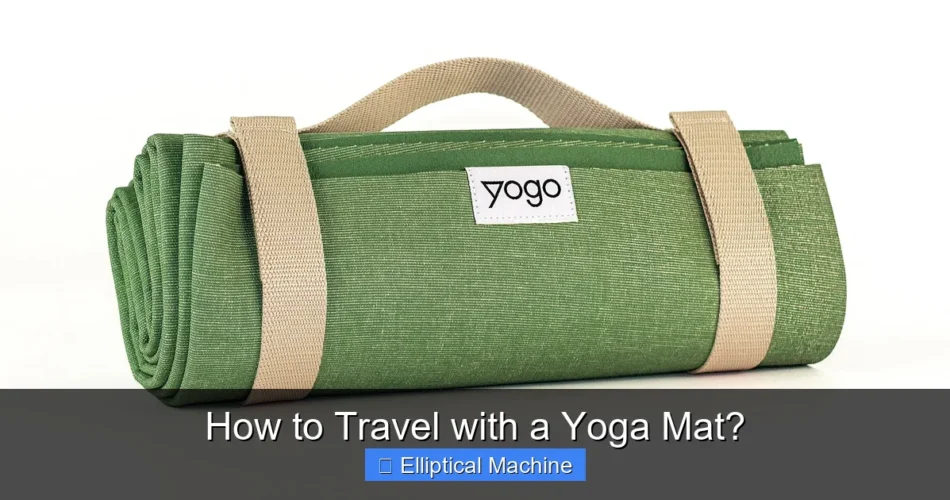
How to Travel with a Yoga Mat? involves selecting the right mat type, choosing appropriate carrying solutions, and understanding various transport options. Mastering this technique ensures your practice remains consistent no matter where your journeys take you. Whether you’re embarking on a short weekend trip or an extended adventure, making the process of transporting a yoga mat seamless is key to maintaining your wellness routine.
Quick Answers to Common Questions
Can I bring my yoga mat on a plane as a carry-on?
Yes, absolutely! Most airlines consider a rolled-up **yoga mat** a personal item or a soft bag that can be carried on, as long as it fits in the overhead bin or under the seat.
What’s the best way to pack my yoga mat in a suitcase?
For suitcase packing, roll your **yoga mat** tightly and place it along one side of your luggage, or even on top of your clothes to act as a flat layer. Thinner mats can sometimes be folded, but be mindful of potential creases.
Do I need a special bag for traveling with my yoga mat?
While not strictly necessary, a dedicated **yoga mat** bag with a shoulder strap can make airport navigation much easier and protect your mat from dirt. Many also come with extra pockets for your essentials!
📑 Table of Contents
Choosing the Right Yoga Mat for Travel
The first step in making your yoga practice portable is to consider the mat itself. Not all yoga mats are created equal when it comes to travel. Prioritizing portability, durability, and functionality will significantly enhance your experience.
Thickness and Weight Considerations
Traditional studio mats are often thick and heavy, designed for stability and cushioning. For travel, however, these attributes can become a hindrance. Travel mats are typically much thinner, ranging from 1mm to 3mm, making them significantly lighter and more compact. While they offer less cushioning, they are perfect for layering over hotel carpets or borrowing studio mats, providing a hygienic surface and essential grip. Look for mats weighing under 2-3 pounds for optimal ease of carrying.
Material Matters
The material of your mat influences its weight, grip, and how it handles being packed. Natural rubber mats offer excellent grip but can be heavier and might have a distinct odor, especially when new. PVC mats are durable and lightweight but less eco-friendly. Microfiber or TPE (Thermoplastic Elastomer) mats strike a good balance, often being lightweight, grippy, and quick-drying. Consider the climate of your destination; some materials perform better in humid conditions than others.
Foldable vs. Rollable Mats
Most yoga mats are designed to be rolled. While rollable mats are standard, foldable travel mats offer a distinct advantage for packing. A foldable mat can often fit into a carry-on suitcase, backpack, or even a large tote bag, much like a piece of clothing. This eliminates the need for an external carrying solution and makes it incredibly convenient for air travel or when space is at a premium. Rollable mats, even thin ones, often require a dedicated strap or bag and might not fit as neatly into existing luggage.
Essential Carrying Solutions for Your Mat
Once you’ve chosen a suitable travel mat, the next consideration is how you will transport it. A good carrying solution protects your mat, keeps it clean, and makes it easy to handle alongside your other luggage.
Yoga Mat Bags and Straps
- Mat Bags: These come in various styles, from simple drawstring bags to full-zip bags with extra pockets for essentials like keys, phone, and a water bottle. Look for bags made from durable, water-resistant materials with comfortable, adjustable shoulder straps. Some even feature ventilation to prevent odor buildup after a sweaty session.
- Mat Straps: A minimalist option, a mat strap consists of two loops that secure around your rolled mat, with a shoulder strap in between. They are lightweight, inexpensive, and perfect for short commutes or when you want to minimize bulk. However, they offer no protection from the elements.
Backpacks with Mat Straps
Many modern travel backpacks and hiking packs are designed with external straps or compartments specifically for carrying items like yoga mats, sleeping bags, or tripods. This integrated approach allows you to consolidate your gear, freeing up your hands. Ensure the straps are secure and the mat doesn’t unbalance the backpack, especially if you’re carrying it for extended periods.
Duffel Bags and Luggage
For foldable mats, a regular duffel bag or suitcase can be the ideal carrying solution. The mat can be folded neatly and placed inside your luggage, blending in with your clothes. This is particularly convenient for air travel, as it avoids having an extra piece of carry-on and keeps your mat protected from potential damage during transit. Ensure your mat is clean before packing it with clothing.
Packing Your Mat for Different Travel Modes
The best way to pack your yoga mat can vary significantly depending on whether you’re flying, driving, or using public transport.
Air Travel: Carry-on vs. Checked Luggage
- Carry-on: If your mat is foldable and fits within the dimensions of your carry-on bag, this is often the preferred method. It keeps your mat safe from being lost or damaged, and you have immediate access to it. Some airlines also allow a rolled mat as a “personal item” in addition to a carry-on, especially if it’s compact and carried in a small strap or bag. Always check your airline’s specific policy regarding personal items and carry-on dimensions.
- Checked Luggage: For larger, heavier mats, or if you prefer not to carry an extra item, checking your mat is an option. It’s best to place it inside a sturdy mat bag or within your suitcase to protect it. Be aware that checked baggage can be subjected to rough handling.
Road Trips and Car Travel
Car travel offers the most flexibility. You can simply roll your mat and place it in the trunk, on the back seat, or in a mat bag. If you have limited space, a foldable mat will still be advantageous. Keep your mat out of direct sunlight for extended periods, as prolonged heat exposure can degrade certain materials, especially rubber.
Public Transport and Commuting
When using trains, buses, or subways, compactness and hands-free carrying are paramount. A mat bag with a comfortable shoulder strap or a backpack with integrated mat straps is ideal. You want to avoid a mat that dangles awkwardly or takes up too much space, making it inconvenient for you and other passengers. A lightweight, thin mat is a lifesaver here.
Keeping Your Travel Mat Clean and Maintained
Traveling exposes your mat to different environments, from dusty hotel floors to sandy beaches. Proper cleaning and maintenance are crucial to prolong its life and ensure a hygienic practice.
On-the-Go Cleaning Tips
- Wipes: Carry a small pack of eco-friendly yoga mat cleaning wipes. These are excellent for a quick wipe-down after each use, especially when you don’t have access to water.
- Mini Spray Bottle: Mix a diluted solution of water and a few drops of mild soap or essential oils (like tea tree for its antibacterial properties) in a small spray bottle. Spray and wipe with a clean cloth.
- Air Dry: Always allow your mat to air dry completely before rolling or folding it, especially in humid climates, to prevent mold and mildew growth. Hang it over a chair or balcony.
Proper Storage During Travel
When not in use, store your mat in a cool, dry place, away from direct sunlight. If it’s a rubber mat, avoid folding it tightly for extended periods, as this can cause creases or cracks. Roll rubber mats loosely. For other materials, ensure they are fully dry before packing them away to prevent unwanted odors or damage.
Alternative Solutions and Travel Hacks
Sometimes, carrying a full yoga mat isn’t feasible or desired. Here are some alternatives and smart hacks for maintaining your practice on the go.
Using a Travel Towel Instead
A yoga mat towel is a lightweight, compact alternative. These towels are designed to be placed over a shared studio mat or even directly on a clean floor. Many are made from microfiber, offering excellent grip when slightly damp, and can be easily washed and dried. They provide a hygienic surface and some additional padding without the bulk of a mat.
Renting or Borrowing at Your Destination
Many yoga studios, gyms, and even some hotels offer mat rentals. This can be a convenient option if you’re visiting a specific studio or don’t want the hassle of transporting a yoga mat. Always check the cleanliness of rental mats and consider bringing a yoga mat towel for hygiene.
DIY Carrying Methods
If you don’t have a dedicated mat bag, a sturdy belt, a long scarf, or even bungee cords can be repurposed as a temporary mat strap. For a folded mat, a large tote bag or a backpack’s main compartment can suffice. Creativity can often save you space and expense when transporting your mat.
Making Your Yoga Practice Portable: Practical Tips
Beyond the mat itself, a few other considerations can make traveling with your yoga gear smoother and more enjoyable.
Integrated Travel Gear
Look for travel-specific yoga apparel that is lightweight, quick-drying, and resistant to wrinkles. Consider travel-sized yoga blocks or straps if they are essential to your practice, though these are often available at studios. Some brands even offer travel-sized meditation cushions that are inflatable or easily packable.
Mindful Packing
When packing your mat, think strategically. If it’s a foldable mat, use it to create a padded layer for delicate items in your suitcase. If it’s rolled, consider using the hollow core for smaller items like a water bottle, socks, or a small towel to maximize space. Always aim for efficiency in your packing to avoid unnecessary bulk or weight.
| Mat Type / Solution | Portability | Weight (Avg.) | Protection | Best Use Case |
|---|---|---|---|---|
| Thin Foldable Mat | Excellent | 1-2 lbs | Low (depends on bag) | Air travel, Backpacking |
| Thin Rollable Mat | Good | 1-3 lbs | Medium (with bag) | Car travel, Commuting |
| Yoga Mat Bag | Good | 0.5-1 lb (empty) | High | All travel modes |
| Yoga Mat Strap | Excellent | <0.5 lb | None | Short commutes, Local travel |
| Yoga Mat Towel | Superior | 0.5-1 lb | N/A (supplementary) | Any travel (lightest option) |
Traveling with your yoga mat doesn’t have to be a chore. By thoughtfully considering the type of mat you use, investing in the right carrying solutions, and adapting your packing strategy to your mode of transport, you can ensure your personal sanctuary for practice is always within reach. Whether it’s a quick trip or a long journey, the effort you put into preparing for transporting your mat will pay off in sustained wellness and peace of mind, allowing you to unroll your mat and find your center wherever you may be.
Frequently Asked Questions
What are the most convenient ways to travel with a yoga mat?
For short trips or local travel, a dedicated yoga mat carrier or strap is ideal for easy portability. For longer journeys, consider travel-specific mats that fold or roll compactly, or integrate your existing mat with your main luggage.
Can I bring my yoga mat as a carry-on or checked luggage on an airplane?
Yes, you can typically bring your yoga mat as either a carry-on or checked item. Most airlines consider a mat rolled in a bag as a personal item or a carry-on if it fits within overhead bin dimensions, or you can check it with your other bags.
What kind of yoga mat is best suited for frequent travel?
For frequent travelers, a lightweight and foldable travel yoga mat is highly recommended. These mats are usually thinner and designed to pack down small, fitting easily into suitcases or backpacks without adding much bulk.
How can I protect my yoga mat from damage or dirt while traveling?
To protect your yoga mat, always transport it in a dedicated mat bag or sleeve that shields it from scuffs and dirt. If checking it, wrap it securely in plastic or place it within a larger duffel bag to prevent damage from other luggage.
What are some space-saving tips for packing a yoga mat?
To save space, opt for a travel-specific yoga mat that can be folded rather than just rolled. If using a standard mat, roll it tightly and secure it with straps, then try to place it along the edges of your suitcase or in a separate duffel.
How do I handle my yoga mat at airport security or going through TSA?
When going through airport security, remove your yoga mat from its bag and place it in a bin by itself, similar to how you would with a laptop. This allows for easier screening and helps prevent unnecessary re-checks.
When you purchase a product through Amazon links on EllipticalKing.com, we may earn a small commission at no extra cost to you. This helps support the site and keep our content free. As an Amazon Associate, We earn from qualifying purchases