
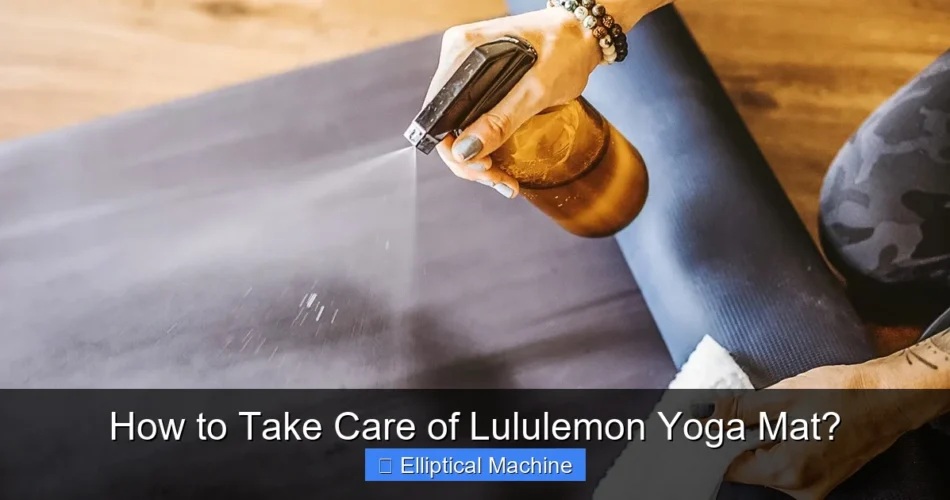
How to Take Care of Lululemon Yoga Mat? Involves a simple yet consistent routine of cleaning, drying, and proper storage to maintain its quality and hygiene. Adopting this straightforward method ensures your mat remains a reliable and comfortable foundation for your practice, extending its lifespan significantly.
Proper Lululemon mat care is essential not only for cleanliness but also for preserving the mat’s unique grip and material integrity. Following these practices helps prevent premature wear, odors, and potential damage, allowing you to focus on your yoga with confidence in your equipment.
Quick Answers to Common Questions
How do I clean my Lululemon yoga mat?
For a quick clean, simply wipe your Lululemon yoga mat down with a damp cloth after each use to remove sweat and oils. For a deeper clean, mix a few drops of mild dish soap with water.
How often should I clean my Lululemon yoga mat?
A quick wipe after every session is ideal for hygiene. Aim for a more thorough cleaning of your Lululemon yoga mat once a week or every few uses, especially if you sweat a lot.
Can I use harsh chemicals or a washing machine on my Lululemon yoga mat?
Absolutely not! Harsh chemicals or machine washing can damage the material of your Lululemon yoga mat. Stick to mild soap and water, and always air dry completely before rolling it up.
📑 Table of Contents
Understanding Your Lululemon Mat Material
Before diving into specific cleaning routines, it’s crucial to understand the materials Lululemon uses for its popular yoga mats. Most Lululemon mats, particularly the renowned Reversible Mat, feature a blend of polyurethane on the top layer and natural rubber on the base. The polyurethane surface is designed for exceptional grip and sweat absorption, which also means it requires specific cleaning to avoid damage and maintain its stickiness. Natural rubber provides cushioning and stability.
The Reversible Mat Specifics
The polyurethane (PU) top layer of The Reversible Mat is highly absorbent and provides excellent non-slip grip, even when wet. However, this material can be sensitive to harsh chemicals and excessive scrubbing. The natural rubber base, while durable, can also degrade with exposure to certain cleaning agents or prolonged sun exposure. Understanding these characteristics guides the best care practices, ensuring you protect both sides of your investment.
Other Lululemon Mat Types
Lululemon also offers other mat variations, such as the Take Form Mat or Lightly Loved Mat. While the core cleaning principles remain similar, always check the specific care instructions provided with your particular mat model. Some mats might have different surface textures or material compositions that could slightly alter the recommended cleaning agents or drying times. Generally, gentle, non-abrasive cleaning methods are universally safe.
Daily Wipe-Downs: The First Line of Defense
The most important step in maintaining your Lululemon yoga mat is a quick wipe-down after every use. This immediate attention prevents sweat, oils, and dirt from setting into the porous polyurethane surface, which can lead to odors and a breakdown of the material over time. This daily practice is the cornerstone of keeping your mat fresh and hygienic.
Recommended Cleaning Solution
For daily cleaning, a simple, gentle solution is best. Lululemon recommends a solution of water mixed with a few drops of mild dish soap, or a diluted white vinegar solution (1 part white vinegar to 20 parts water). Avoid harsh chemicals, alcohol-based cleaners, essential oils, or anything with strong perfumes, as these can strip the mat’s grip, leave residue, or damage the polyurethane layer. There are also many yoga mat specific cleaners available that are safe for PU surfaces.
Step-by-Step Daily Clean
- Prepare Your Solution: Mix your chosen gentle cleaner in a spray bottle.
- Spray Lightly: Lightly mist the surface of your mat, focusing on areas where hands and feet typically rest. Avoid oversaturating the mat.
- Wipe Gently: Using a soft, clean cloth (microfiber works well), gently wipe down the entire surface. Do not scrub aggressively, especially on the polyurethane side.
- Wipe Dry: Use a separate, dry cloth to absorb any excess moisture. Ensuring the mat is as dry as possible before air drying is key.
- Air Dry: Hang your mat or lay it flat to air dry completely before rolling it up. This prevents mildew and odors.
Deep Cleaning for Longevity
While daily wipe-downs are essential, a deeper clean is necessary periodically to remove accumulated grime and oils that can affect the mat’s performance and hygiene. This more thorough process ensures a comprehensive cleanse without compromising the mat’s integrity.
When to Deep Clean
The frequency of deep cleaning depends on how often you practice and how much you sweat. For regular practitioners (3-5 times a week), a deep clean every 2-4 weeks is advisable. If you practice less frequently or have lighter sessions, monthly or bi-monthly deep cleans might suffice. Listen to your mat – if it starts to feel slick even after daily wipes, or develops a noticeable odor, it’s time for a deeper clean.
The Deep Cleaning Process
- Prepare a Larger Solution: Use the same gentle solution (diluted dish soap or vinegar and water) in a larger bowl or basin.
- Dampen Your Mat: Lightly dampen the entire mat surface with a clean sponge or soft cloth soaked in the solution. Again, do not soak the mat.
- Gently Cleanse: Gently wipe down the mat in sections, applying light pressure. For tougher spots, allow the solution to sit for a minute or two before wiping.
- Rinse Thoroughly (Important!): This is where deep cleaning differs. Use a separate cloth dampened with plain water to thoroughly wipe away any soap residue. Residue can make your mat slippery. Repeat this step several times with a fresh water-dampened cloth until all traces of cleaner are gone.
- Towel Dry: Use a large, clean, dry towel to absorb as much moisture as possible from both sides of the mat. Roll the mat tightly in the towel, pressing firmly to squeeze out water.
- Air Dry Completely: Unroll and hang or lay your mat flat in a well-ventilated area, away from direct sunlight, until it is absolutely dry. This could take 12-24 hours. Never roll up a damp mat.
What to Avoid
When performing deep cleans or any type of mat maintenance, it’s critical to avoid several things:
- Washing Machines/Showers: Never put your Lululemon mat in a washing machine or submerge it in water. This can damage the natural rubber and polyurethane, causing delamination or material breakdown.
- Harsh Brushes/Scrubbers: Avoid abrasive tools that can scratch or wear down the delicate PU surface.
- Oil-Based Cleaners: Essential oils or oil-based cleaners can stain the mat and compromise its grip.
- Direct Sunlight: Prolonged exposure to direct sunlight can cause the natural rubber to dry out and become brittle, as well as fade the mat’s color.
- Folding: Always roll your mat; folding can create permanent creases and damage the material.
Proper Drying and Storage Techniques
Even the best cleaning methods are useless if your mat isn’t dried and stored correctly. Improper drying and storage are common culprits for mildew growth, lingering odors, and material damage, significantly shortening the lifespan of your Lululemon mat.
Air Drying Best Practices
After any cleaning, whether daily or deep, ensuring your mat is completely dry is paramount. Hang your mat over a shower rod, a clothesline, or lay it flat on a clean, dry surface. Make sure air can circulate around both sides. Avoid hanging it in direct sunlight or next to a heat source, as extreme temperatures can damage the material. Depending on humidity, this can take several hours, so plan accordingly.
Rolling and Storing Your Mat
Once completely dry, roll your mat loosely, with the top (PU) surface facing outwards. This helps prevent the mat from curling at the edges during your practice. Store it in a cool, dry place, away from extreme temperatures and direct sunlight. Using a breathable mat bag can protect it from dust and minor scuffs. Avoid storing heavy objects on top of your rolled mat, as this can create indentations.
Protecting Your Mat from Elements
When transporting your mat, especially outdoors, use a protective mat bag. This shields it from dirt, moisture, and UV rays. If you leave your mat in a hot car, for example, the extreme heat can degrade the rubber and polyurethane over time. Similarly, cold temperatures can make the mat stiff and less pliable. Always aim for temperate storage conditions to preserve the material’s integrity.
Dealing with Common Mat Issues
Despite diligent care, you might encounter some common issues with your Lululemon yoga mat. Knowing how to address these can help extend its utility and maintain a pleasant practice experience.
Addressing Odors
If your mat develops a persistent smell, it’s usually due to bacteria and sweat accumulation. A thorough deep clean, as described above, is the first step. You can also try lightly sprinkling baking soda over the dry mat, letting it sit for an hour (or overnight for stubborn odors), then wiping it off thoroughly with a damp cloth followed by a dry one. Ensure all baking soda is removed to avoid a slippery surface.
Restoring Grip
A loss of grip often indicates a build-up of body oils, lotions, or cleaning product residue. A deep clean with thorough rinsing is typically the most effective solution. Ensure you are not using any oil-based products on your body before practice, as these can transfer to the mat. Over time, the PU surface’s grip might naturally diminish with extensive use, indicating it might be nearing the end of its life cycle.
Minor Scratches and Wear
Lululemon mats are durable, but the PU surface can show minor scratches or marks from fingernails, jewelry, or dragging. These are often cosmetic and don’t affect performance. Avoid practicing with jewelry or sharp objects near your mat. If significant areas of the PU layer begin to peel or flake, it’s a sign that the mat’s integrity is compromised, and it may be time to consider a replacement.
Extending Your Mat’s Lifespan
Beyond cleaning and storage, a few additional habits can significantly contribute to the long-term health and performance of your Lululemon mat. These practices support the overall approach to maintaining your valuable yoga accessory.
Pre-Practice Care
Consider wiping down your feet and hands with a damp cloth before practice to remove any lotions, oils, or dirt that could transfer to the mat. This simple step reduces the amount of grime your mat absorbs. Avoid eating or drinking sugary beverages directly over your mat, as spills can attract pests or create sticky spots that are hard to remove.
Transportation and Travel
When taking your mat to and from classes, always use a dedicated yoga mat bag. This protects it from external elements like dirt, rain, and UV rays. A bag also prevents accidental damage from bumping against objects or getting scuffed. Choose a bag that allows for proper ventilation to avoid trapping moisture.
When to Replace Your Mat
Even with the best care, yoga mats don’t last forever. Signs that it’s time to replace your Lululemon mat include:
- Significant loss of grip that cannot be restored with cleaning.
- Large areas of the PU surface peeling, flaking, or tearing.
- Persistent odors that remain after deep cleaning.
- Loss of cushioning or support, making it uncomfortable for joints.
- Visible signs of mold or mildew that you cannot remove.
Replacing your mat when it’s past its prime ensures your practice remains safe, comfortable, and hygienic.
Lululemon Yoga Mat Care At-a-Glance
Here’s a quick reference guide for effective Lululemon yoga mat care:
| Care Aspect | Frequency | Recommended Method | Notes |
|---|---|---|---|
| Daily Wipe-Down | After every use | Light mist of diluted mild soap/vinegar and water, wipe with soft cloth, towel dry. | Prevents sweat/oil buildup. Essential. |
| Deep Cleaning | Every 2-4 weeks (or as needed) | Thorough wipe with diluted mild soap/vinegar, rinse well with clean water, towel dry thoroughly. | Removes deep-set grime. Crucial for grip. |
| Drying | After every clean | Air dry completely, flat or hung, in a well-ventilated area. | Prevents mildew/odors. Never roll damp. |
| Storage | When not in use | Roll loosely, PU surface out. Store in cool, dry place away from direct sunlight/extreme temps. | Protects material integrity. |
| Odor Removal | As needed | Deep clean + baking soda application (optional). | Ensure thorough removal of baking soda. |
| Grip Restoration | As needed | Deep clean to remove residue. | Avoid lotions/oils before practice. |
Mastering this comprehensive care routine for your Lululemon yoga mat is an investment in your practice and the longevity of your equipment. By consistently applying these methods, you’ll ensure your mat remains clean, grippy, and supportive for countless sessions to come. A well-maintained mat allows you to fully immerse yourself in your yoga, without distractions or concerns about hygiene or performance.
Frequently Asked Questions
How should I clean my Lululemon yoga mat after a workout?
To clean your Lululemon yoga mat, gently wipe it down with a damp cloth after each use, focusing on areas where you’ve been in contact. For a deeper clean, you can use a solution of mild soap and water, or a dedicated yoga mat cleaner. Avoid harsh chemicals as they can damage the mat’s surface.
How often should I deep clean my Lululemon yoga mat?
The frequency of deep cleaning your Lululemon yoga mat depends on how often you use it and how much you sweat. For regular users (3+ times a week), a deep clean once a week or every two weeks is recommended. If you practice less frequently, a monthly deep clean should suffice to keep it fresh and hygienic.
What cleaning products are safe to use on my Lululemon yoga mat?
For your Lululemon yoga mat, it’s best to use a mild, non-abrasive soap mixed with water or a specialized yoga mat cleaner. Avoid harsh chemicals, essential oils applied directly, or abrasive scrubbers, as these can degrade the material and cause damage, discoloration, or stickiness over time. Always test a new product on a small, inconspicuous area first.
How should I dry my Lululemon yoga mat after cleaning?
After cleaning your Lululemon yoga mat, gently wipe off any excess moisture with a dry towel. Then, unroll the mat completely and allow it to air dry in a well-ventilated area, away from direct sunlight. Avoid using a machine dryer or placing it near direct heat sources, as extreme temperatures can damage the mat’s material and integrity.
What’s the best way to store my Lululemon yoga mat to maintain its quality?
To maintain the quality and extend the lifespan of your Lululemon yoga mat, always roll it up loosely with the top surface (the side you practice on) facing outwards. Store it in a cool, dry place away from direct sunlight, extreme temperatures, and sharp objects. This helps prevent creases, surface damage, and material breakdown.
My Lululemon yoga mat feels slippery or has an odor. What can I do?
If your Lululemon yoga mat feels slippery, it might be due to residue from body oils, lotions, or incomplete cleaning; a thorough cleaning with mild soap and water followed by proper drying often helps. For odors, ensure regular cleaning and allow the mat to fully air out after each use and cleaning. You can also try a diluted white vinegar solution (1:4 vinegar to water) for tough smells, testing it first on a small area.
When you purchase a product through Amazon links on EllipticalKing.com, we may earn a small commission at no extra cost to you. This helps support the site and keep our content free. As an Amazon Associate, We earn from qualifying purchases