
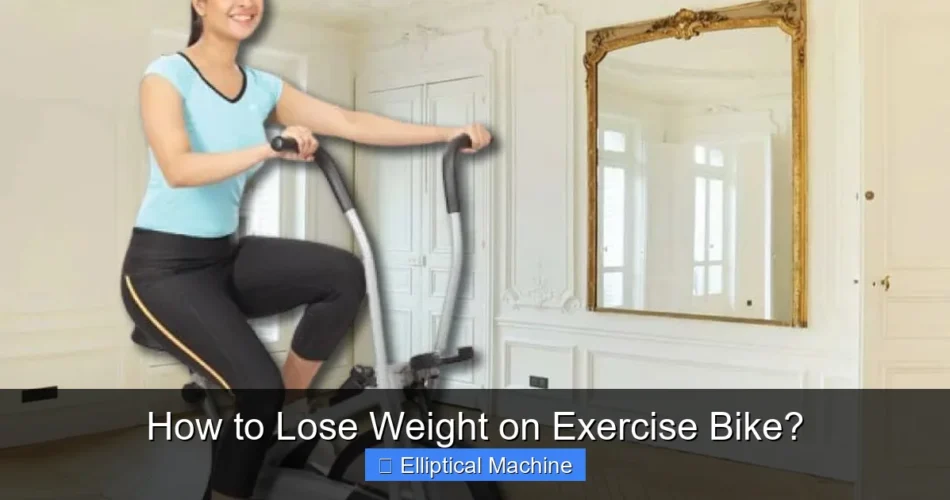
How to Lose Weight on Exercise Bike? It’s a highly effective strategy when combined with a consistent routine, proper technique, and a mindful approach to nutrition. This method leverages cardiovascular exercise to burn calories, strengthen muscles, and boost overall fitness, making it an excellent tool for achieving your fitness goals.
Embarking on this journey requires understanding the interplay of activity, diet, and lifestyle. By optimizing your rides and making informed choices off the bike, you can significantly accelerate the process of shedding unwanted pounds and improving your health.
Quick Answers to Common Questions
How long should I ride my exercise bike to lose weight?
Aim for at least 30-45 minutes per session to really kickstart calorie burning and help you lose weight on your exercise bike effectively. Consistency is key, so make it a regular part of your routine!
What’s the best intensity for losing weight on an exercise bike?
For optimal fat burning, try to maintain a moderate to high intensity where you can still talk but feel challenged. Incorporating interval training, alternating between bursts of high intensity and recovery, is fantastic for boosting your metabolism and helping you lose weight on your exercise bike.
Do I need to change my diet too, or will just riding the exercise bike be enough?
While riding your exercise bike is amazing for burning calories, combining it with a balanced, healthy diet is crucial for successful weight loss. Remember, you can’t out-pedal a poor diet, so nourish your body to truly see results and lose weight on your exercise bike!
📑 Table of Contents
The Core Principle: Calorie Deficit and the Exercise Bike
At the heart of any successful weight loss plan is the principle of a calorie deficit. This means consistently burning more calories than you consume. An exercise bike is an excellent apparatus for contributing to this deficit due to its efficiency in burning calories and its low-impact nature, making it accessible for most fitness levels.
Understanding Calorie Deficit
Your body needs a certain number of calories each day to maintain its current weight, known as your Total Daily Energy Expenditure (TDEE). To lose weight, you need to consume fewer calories than your TDEE or burn more through physical activity, or ideally, a combination of both. A common target for sustainable weight loss is a deficit of 500-750 calories per day, which can lead to losing 1-1.5 pounds per week.
How Exercise Bikes Contribute
Riding a stationary bike vigorously can burn anywhere from 400 to 700 calories per hour, depending on your weight, intensity, and individual metabolism. Regular sessions on this equipment can significantly increase your daily calorie expenditure. Furthermore, consistent cardiovascular exercise improves your body’s metabolic efficiency, meaning you burn calories more effectively even at rest.
Beyond direct calorie burning, cycling helps build muscle, particularly in your legs and core. More muscle mass contributes to a higher resting metabolism, further aiding in long-term weight management. The low-impact nature of cycling also reduces stress on joints, making it a safer and more sustainable option for many compared to high-impact activities.
Types of Exercise Bikes for Weight Loss
Different types of exercise bikes offer unique benefits and may appeal to various users. Understanding these differences can help you choose the best machine for your individual needs and preferences, enhancing your consistency and enjoyment of the practice.
Upright Bikes
Upright bikes mimic the feel of a traditional road bike, positioning you in an upright, slightly leaned-forward posture. They engage the core muscles more to maintain balance and are generally compact and affordable. They’re a great choice for general fitness and moderate-intensity cardio.
Recumbent Bikes
Recumbent bikes feature a laid-back seating position with a larger seat and back support, placing less strain on your back and joints. This design makes them extremely comfortable, particularly for individuals with back pain, joint issues, or those who prefer a more relaxed ride. While they might engage the core less, they are still highly effective for cardiovascular training and burning calories, especially for longer sessions.
Spin Bikes (Indoor Cycles)
Spin bikes are designed to replicate the experience of outdoor road cycling, often used in group fitness classes. They typically have a heavier flywheel and a more aggressive, leaned-forward posture, allowing for intense, high-energy workouts that can burn a significant number of calories quickly. They are ideal for high-intensity interval training (HIIT) and pushing your cardiovascular limits.
Crafting Your Effective Workout Plan
To maximize your weight loss efforts on your exercise bike, a well-structured workout plan is crucial. Incorporating varied intensities and durations will challenge your body in different ways and prevent plateaus.
The Power of HIIT (High-Intensity Interval Training)
HIIT involves alternating between short bursts of intense exercise and periods of active recovery. For example, you might sprint as fast as you can for 30-60 seconds, followed by 1-2 minutes of moderate pedaling. Repeat this cycle 8-12 times. HIIT is incredibly effective for burning calories in a shorter amount of time, boosting metabolism post-workout (the “afterburn effect”), and improving cardiovascular fitness. Aim for 2-3 HIIT sessions per week on non-consecutive days.
Steady-State Cardio for Fat Burn
Longer, moderate-intensity rides, also known as steady-state cardio, are excellent for improving endurance and burning a higher percentage of calories from fat during the workout itself. These sessions should last 30-60 minutes at a pace where you can comfortably hold a conversation but are still breathing heavily. Aim for 2-3 steady-state sessions per week.
Warm-up and Cool-down Essentials
Every workout, regardless of intensity, should begin with a 5-10 minute warm-up of light pedaling to prepare your muscles and cardiovascular system. Similarly, end each session with a 5-10 minute cool-down at a very easy pace, followed by some light stretching, especially for your leg muscles. This helps prevent injury and aids in recovery.
Sample Weekly Schedule
Here’s a sample schedule combining different workout types:
| Day | Workout Type | Duration / Focus |
|---|---|---|
| Monday | HIIT | 20-30 minutes (incl. warm-up/cool-down) |
| Tuesday | Steady-State Cardio | 45-60 minutes at moderate intensity |
| Wednesday | Rest or Active Recovery | Light stretching, walking |
| Thursday | HIIT | 20-30 minutes (incl. warm-up/cool-down) |
| Friday | Steady-State Cardio | 30-45 minutes at moderate intensity |
| Saturday | Longer Endurance Ride | 60-90 minutes at moderate intensity (optional) |
| Sunday | Rest | Complete rest or light activity |
Optimizing Your Rides for Maximum Results
Beyond just pedaling, several factors can influence the effectiveness of your exercise bike sessions for weight loss. Paying attention to these details will help you get the most out of every minute on the saddle.
Resistance Levels Matter
Don’t just spin your wheels aimlessly. Adjust the resistance to make your workout challenging. For steady-state cardio, choose a resistance that allows you to maintain a consistent effort for the duration without feeling overwhelmed. For HIIT, increase resistance during your high-intensity intervals to push your muscles and heart rate, then reduce it for recovery.
Monitoring Heart Rate Zones
Using a heart rate monitor can help you stay within optimal training zones for fat burning and cardiovascular improvement. Your fat-burning zone is typically 60-70% of your maximum heart rate (MHR), while your cardio zone (for improving fitness and burning more calories overall) is 70-80% of your MHR. A general formula for MHR is 220 minus your age, but consult a doctor for personalized advice.
Proper Form and Posture
Maintain proper posture to prevent discomfort and maximize efficiency. Keep your back straight, shoulders relaxed, and engage your core. Adjust your seat height so that there’s a slight bend in your knee at the bottom of the pedal stroke (about 25-30 degrees). Your handlebars should be at a comfortable height that allows you to avoid hunching.
Hydration and Fueling
Stay well-hydrated before, during, and after your rides. Dehydration can impair performance and make you feel fatigued. For longer or more intense sessions, consider a small, easily digestible snack about an hour before to fuel your workout, such as a banana or a piece of toast.
Beyond the Bike: Nutrition and Lifestyle Factors
While cycling is a fantastic tool, it’s just one piece of the weight loss puzzle. Your efforts on the bike must be complemented by smart choices off the bike to achieve lasting results. This holistic approach ensures sustainable success.
The Role of a Balanced Diet
You cannot out-exercise a bad diet. Focus on consuming whole, unprocessed foods: lean proteins, plenty of fruits and vegetables, and complex carbohydrates. Limit sugary drinks, processed snacks, excessive saturated fats, and refined grains. Portion control is also key to creating that essential calorie deficit.
Importance of Sleep
Adequate sleep (7-9 hours per night for most adults) is crucial for weight management. Poor sleep can disrupt hunger hormones (ghrelin and leptin), leading to increased cravings and a tendency to overeat. It also impacts energy levels for workouts and muscle recovery.
Stress Management
Chronic stress can lead to elevated cortisol levels, which can promote fat storage, especially around the abdomen. Incorporate stress-reducing activities into your routine, such as meditation, yoga, reading, or spending time in nature.
Consistency and Patience
Weight loss is a marathon, not a sprint. Be consistent with your workouts and dietary changes, and be patient with the process. There will be days when motivation wanes or progress seems slow, but persistence is key.
Tracking Progress and Staying Motivated
Monitoring your progress and finding ways to stay motivated are vital for maintaining your commitment to your fitness and weight loss journey.
Setting Realistic Goals
Set both short-term and long-term goals. Short-term goals could be increasing your ride duration by 5 minutes each week or completing a new HIIT routine. Long-term goals involve your overall weight loss target or fitting into a certain size. Ensure your goals are SMART: Specific, Measurable, Achievable, Relevant, and Time-bound.
Using Technology to Track
Many exercise bikes come with built-in consoles that track distance, time, calories burned, and heart rate. You can also use fitness apps, smartwatches, or dedicated cycling computers to record your sessions. Tracking your workouts helps you see your improvements, stay accountable, and adjust your routine as needed.
Overcoming Plateaus
It’s common to hit a weight loss plateau. When this happens, consider changing up your routine. Increase the intensity or duration of your rides, try new HIIT intervals, or adjust your caloric intake slightly. Sometimes, simply taking a short break (1-2 days) can also help your body reset before you return with renewed vigor.
Conclusion
An exercise bike is an incredibly versatile and effective piece of equipment for achieving your weight loss goals, offering a low-impact yet high-calorie-burning workout. By understanding the principles of calorie deficit, varying your training methods with both HIIT and steady-state cardio, and paying attention to proper form and recovery, you can maximize your results. Remember that success also hinges on consistent, balanced nutrition and a healthy lifestyle, including adequate sleep and stress management. Embrace this effective tool, stay consistent, and celebrate your progress on your journey to a healthier, fitter you.
Frequently Asked Questions
How effective is an exercise bike for weight loss?
An exercise bike is highly effective for weight loss as it provides a great cardiovascular workout, burning a significant number of calories. When combined with a healthy diet, consistent use can lead to substantial fat reduction and improved fitness.
What’s the best workout routine on an exercise bike for burning fat?
For optimal fat burning, consider incorporating both high-intensity interval training (HIIT) and steady-state cardio into your routine. HIIT cycles between short bursts of intense effort and recovery periods, while steady-state involves maintaining a moderate intensity for a longer duration on your exercise bike.
How long and how often should I use my exercise bike to see weight loss results?
To effectively lose weight, aim for at least 30-60 minutes of cycling on your exercise bike most days of the week (3-5 times). Consistency is paramount, as cumulative weekly exercise time contributes significantly to calorie deficit and weight loss.
Can using an exercise bike help me lose belly fat specifically?
While an exercise bike is excellent for overall fat loss, it’s important to understand that you cannot specifically target belly fat. Consistent cardiovascular exercise on the bike will contribute to a reduction in total body fat, which will naturally include fat from your midsection over time.
What intensity level should I aim for on my exercise bike for optimal weight loss?
For optimal weight loss, aim for a moderate to vigorous intensity where you can still speak in short sentences but are noticeably challenged. Monitoring your heart rate to stay within 60-85% of your maximum heart rate (MHR) can be a good guide for effective calorie burning on your exercise bike.
When you purchase a product through Amazon links on EllipticalKing.com, we may earn a small commission at no extra cost to you. This helps support the site and keep our content free. As an Amazon Associate, We earn from qualifying purchases