
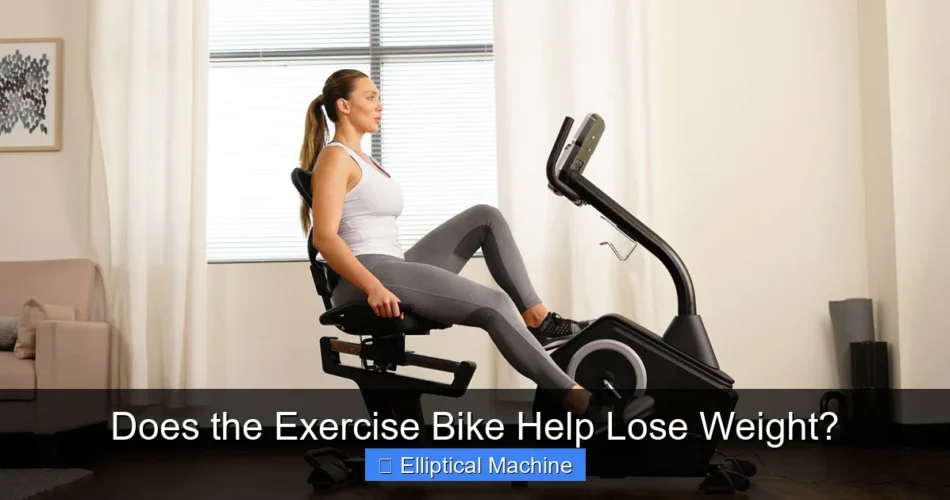
Does the Exercise Bike Help Lose Weight? The direct answer is unequivocally yes; engaging in regular exercise bike workouts can be a highly effective component of a comprehensive weight loss strategy. This method offers a low-impact yet potent way to burn calories, improve cardiovascular health, and build stamina, all crucial elements for shedding excess pounds.
Utilizing this approach consistently, combined with a sensible diet, provides a sustainable path to achieving and maintaining a healthy weight. The stationary bike’s accessibility and versatility make it a popular choice for individuals at various fitness levels seeking to initiate or enhance their fat-burning journey.
Quick Answers to Common Questions
Can an exercise bike really help me lose weight?
Yes, absolutely! Riding an exercise bike burns calories, which is essential for creating the calorie deficit needed to lose weight. Consistent exercise biking also boosts your metabolism and improves overall fitness.
How often should I use my exercise bike for weight loss results?
Aim for at least 30-60 minutes of moderate-intensity exercise biking most days of the week. Consistency is key, so find a routine you can stick with to see the best weight loss benefits from your exercise bike.
Do I need to change my diet if I’m using an exercise bike to lose weight?
Definitely! While your exercise bike is a fantastic tool, pairing it with a healthy, calorie-controlled diet is crucial for effective weight loss. Remember, you can’t out-pedal a poor diet!
📑 Table of Contents
- The Calorie Deficit Equation: How Exercise Bikes Contribute
- Optimizing Your Exercise Bike Workouts for Effective Weight Loss
- Beyond Calories: Additional Benefits of Cycling for Weight Management
- The Role of Diet and Consistency in Your Weight Loss Journey
- Comparing Exercise Bike Types and Their Impact on Calorie Burn
- Common Pitfalls to Avoid When Using the Exercise Bike to Help Lose Weight
The Calorie Deficit Equation: How Exercise Bikes Contribute
At the heart of any successful weight loss endeavor is the principle of a calorie deficit: burning more calories than you consume. Exercise bikes are excellent tools for increasing your daily calorie expenditure. The number of calories you burn on an exercise bike depends on several factors, including your weight, the intensity of your workout, and its duration. A vigorous 30-minute session can burn anywhere from 200 to 500 calories or even more, making a significant dent in your daily energy balance.
Understanding Calorie Burn
When you pedal, your muscles contract and require energy, which comes from burning calories. The harder you work, the more energy your body demands, and thus, more calories are consumed. Consistent calorie burning through cycling helps to create the deficit necessary for your body to start utilizing stored fat for energy, leading to weight reduction over time.
Factors Influencing Calorie Expenditure
- Intensity: Pushing yourself harder (higher resistance, faster cadence) significantly increases calorie burn.
- Duration: Longer workouts naturally equate to more calories burned, assuming consistent intensity.
- Body Weight: Heavier individuals typically burn more calories during the same activity as their bodies require more energy to move.
- Fitness Level: As your fitness improves, your body becomes more efficient. You might need to increase intensity or duration to maintain the same calorie burn.
Optimizing Your Exercise Bike Workouts for Effective Weight Loss
Simply pedaling without a plan might yield some results, but to maximize your fat-burning potential, strategic workout planning is key. Incorporating variety in your routine will challenge your body and prevent plateaus, ensuring continued progress toward your weight loss goals.
High-Intensity Interval Training (HIIT)
HIIT involves short bursts of intense exercise followed by brief recovery periods. This training method is incredibly efficient for calorie burning, even after your workout ends, due to the “afterburn effect” (EPOC – Excess Post-exercise Oxygen Consumption). A typical HIIT session on an exercise bike might involve:
- 5 minutes warm-up at a moderate pace.
- 1 minute maximum effort sprint.
- 2 minutes active recovery (light pedaling).
- Repeat the sprint/recovery cycle 4-6 times.
- 5 minutes cool-down.
HIIT can significantly boost your metabolism and is a time-efficient way to burn fat.
Steady-State Cardiovascular Training
While HIIT is effective, steady-state cardio also plays a vital role. This involves maintaining a consistent, moderate intensity for a longer duration (e.g., 30-60 minutes). It’s excellent for building endurance, improving cardiovascular health, and burning a substantial amount of calories gradually. This type of training is often more sustainable for beginners or those looking for a less demanding but still effective workout.
Resistance and Duration
Don’t be afraid to adjust the resistance. Increasing resistance mimics cycling uphill, engaging more muscle groups and leading to greater calorie expenditure. Gradually increasing the duration of your workouts, even by just 5-10 minutes each week, can also contribute significantly to your overall calorie deficit and help you lose weight more effectively.
Beyond Calories: Additional Benefits of Cycling for Weight Management
While calorie burning is paramount for weight reduction, exercise bikes offer a host of other benefits that indirectly support your journey to a healthier weight and improved well-being.
Muscle Toning and Metabolism
Cycling engages major muscle groups in your legs, including quadriceps, hamstrings, glutes, and calves. While it might not build significant muscle mass like heavy weightlifting, it does help to tone these muscles. Increased muscle mass, even modest, leads to a higher resting metabolic rate, meaning your body burns more calories even when you’re at rest. This can be a powerful ally in long-term weight management.
Cardiovascular Health
Regular cycling strengthens your heart and lungs, improving blood circulation and overall cardiovascular fitness. A healthier heart means your body can transport oxygen and nutrients more efficiently, supporting all bodily functions, including fat metabolism. This benefit is crucial not just for weight loss but for overall longevity and disease prevention.
Low Impact Advantage
One of the significant advantages of the exercise bike is its low-impact nature. Unlike running or jumping, cycling puts minimal stress on your joints, making it an excellent option for individuals with joint pain, injuries, or those who are significantly overweight. This allows for consistent exercise without the risk of further strain, promoting adherence to your fitness routine.
The Role of Diet and Consistency in Your Weight Loss Journey
It’s crucial to understand that an exercise bike, while powerful, is only one piece of the weight loss puzzle. To truly see results and make sustainable changes, you must address your dietary habits and commit to a consistent routine.
Nutrition is Key
You cannot out-exercise a bad diet. Even with intense daily cycling sessions, if you’re consistently consuming more calories than you burn, weight loss will be elusive. Focus on a balanced diet rich in whole foods: lean proteins, fruits, vegetables, and whole grains. Limit processed foods, sugary drinks, and excessive unhealthy fats. Portion control is also vital. Combining your exercise bike routine with mindful eating habits accelerates your progress and ensures long-term success.
The Power of Consistency
Spotty workouts will yield spotty results. Consistency is the bedrock of any successful weight loss plan. Aim for at least 150 minutes of moderate-intensity cardio or 75 minutes of vigorous-intensity cardio per week, as recommended by health organizations. Breaking this down into 30-minute sessions, five times a week, is a manageable goal for many. Make your exercise bike a regular part of your routine, and the cumulative effects will be profound.
Comparing Exercise Bike Types and Their Impact on Calorie Burn
Different types of exercise bikes offer varying workout experiences and can influence calorie expenditure. Understanding these differences can help you choose the best bike to achieve your weight loss goals.
| Bike Type | Description | Calorie Burn Potential (Approx. per 30 min)* | Primary Benefits for Weight Loss |
|---|---|---|---|
| Upright Bikes | Traditional cycling posture, similar to an outdoor bike. Engages core for stability. | 200-400 calories | Effective cardio, good for all fitness levels, takes up less space. |
| Recumbent Bikes | Reclined seating with back support, pedals out front. Lower back strain. | 180-350 calories | Comfortable, excellent for beginners or those with back/joint issues, still offers good cardio. |
| Spin Bikes (Indoor Cycles) | Designed for intense, high-energy workouts, mimicking outdoor road cycling. Heavier flywheel. | 300-600+ calories | Highest calorie burn potential, great for HIIT, builds leg strength and endurance. |
*Calorie burn is an estimate for a 150lb individual at moderate to vigorous intensity. Actual burn varies.
Upright Bikes
Upright bikes offer a cycling experience closest to a traditional outdoor bicycle. They typically provide a good balance of comfort and effectiveness, making them a versatile choice for general fitness and calorie burning.
Recumbent Bikes
Known for their comfort, recumbent bikes feature a laid-back position with a large seat and backrest. This design reduces stress on the lower back and joints, making them an excellent option for those with physical limitations or who prefer a more relaxed cycling experience. While potentially burning slightly fewer calories at the same perceived effort as an upright, they allow for longer, more comfortable sessions.
Spin Bikes (Indoor Cycles)
Spin bikes are built for performance and intense workouts. With heavier flywheels and often a simpler, more rugged design, they excel at replicating the feel of outdoor cycling and are perfect for high-intensity interval training (HIIT) and endurance rides. They tend to offer the highest calorie burn potential due to their capacity for rigorous effort.
Common Pitfalls to Avoid When Using the Exercise Bike to Help Lose Weight
While the exercise bike is a fantastic tool, certain mistakes can hinder your progress. Being aware of these common pitfalls can help you maximize your efforts and achieve better results in your journey to shed pounds.
Ignoring Resistance and Intensity
One of the biggest mistakes is simply going through the motions without challenging yourself. If you can comfortably read a book or hold a lengthy conversation throughout your entire workout, you’re likely not working hard enough to maximize calorie burn and stimulate significant physiological changes. Gradually increase resistance and vary your intensity to keep your body guessing and continue adapting.
Neglecting Nutrition
As mentioned earlier, exercise alone is often insufficient for significant weight loss if diet is not addressed. Many people overestimate the calories they burn during exercise and underestimate the calories they consume. It’s easy to “reward” yourself with unhealthy snacks or larger portions after a workout, inadvertently negating your efforts. A holistic approach combining disciplined nutrition with your exercise bike routine is essential.
Lack of Variety
Doing the same workout day after day can lead to a plateau. Your body adapts to repetitive stress, becoming more efficient and burning fewer calories for the same effort. Incorporate variety by alternating between HIIT and steady-state cardio, changing resistance levels, or trying different structured workouts. This keeps your body challenged and prevents boredom, ensuring long-term adherence.
In conclusion, the exercise bike is an incredibly effective tool that absolutely helps lose weight when integrated into a well-rounded strategy. By understanding how it contributes to calorie deficits, optimizing your workouts with varying intensities, embracing its broader health benefits, and critically, pairing it with consistent effort and sound nutrition, you can significantly accelerate your progress towards your weight loss goals. This versatile and low-impact machine empowers you to take control of your fitness journey and pedal your way to a healthier, lighter you.
Frequently Asked Questions
How does using an exercise bike contribute to weight loss?
An exercise bike helps you burn calories, which is essential for creating the calorie deficit needed for weight loss. Regular cycling on the bike elevates your heart rate, boosts your metabolism, and can help reduce overall body fat when combined with a healthy diet.
How often and for how long should I ride an exercise bike to lose weight effectively?
For effective weight loss, aim for at least 150-300 minutes of moderate-intensity exercise per week, or 75-150 minutes of vigorous-intensity exercise. This typically translates to riding your exercise bike for 30-60 minutes, 3-5 times a week, gradually increasing duration and intensity as your fitness improves.
Can I lose weight specifically from my stomach area by using an exercise bike?
While you can’t “spot reduce” fat from specific areas like your stomach, consistent use of an exercise bike will contribute to overall body fat reduction, which includes belly fat. As you lose weight throughout your body, you will notice a reduction in your waistline and stomach area.
What other factors besides riding an exercise bike are important for successful weight loss?
While an exercise bike is a great tool, successful weight loss also heavily relies on your diet. Eating a balanced diet with a calorie deficit, staying hydrated, getting adequate sleep, and managing stress are all crucial components that work synergistically with your exercise routine.
When you purchase a product through Amazon links on EllipticalKing.com, we may earn a small commission at no extra cost to you. This helps support the site and keep our content free. As an Amazon Associate, We earn from qualifying purchases