
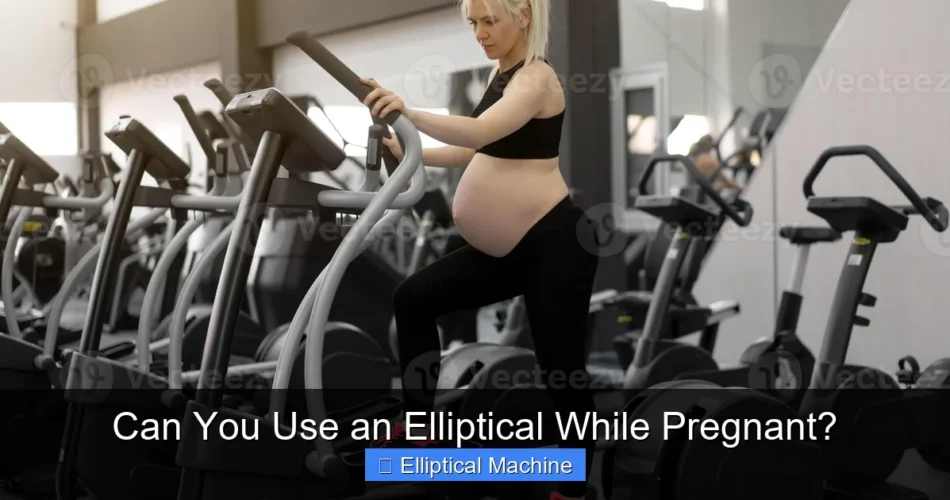
Can You Use an Elliptical While Pregnant? Yes, absolutely, it can be a highly beneficial and safe form of exercise for many expectant mothers. This low-impact technique offers a full-body workout that supports cardiovascular health and prepares your body for labor, provided you have your healthcare provider’s approval.
Incorporating regular physical activity, like exercising on an elliptical machine, into your pregnancy routine can offer numerous advantages for both you and your baby. However, understanding the modifications and precautions necessary for this approach is crucial to ensure a safe and effective experience throughout all trimesters.
Quick Answers to Common Questions
Is it safe to use an elliptical while pregnant?
Generally, yes! For most healthy pregnancies, using an elliptical while pregnant is a fantastic low-impact way to stay active, but always check with your doctor first.
What are the benefits of using an elliptical during pregnancy?
The elliptical offers a full-body workout without harsh impact on your joints, which is especially beneficial as your body changes. It’s a great way to maintain cardiovascular fitness and energy levels.
Are there any precautions or modifications I should consider?
Absolutely! Listen to your body, stay well-hydrated, and avoid overheating. You might also want to adjust the intensity or resistance to ensure you’re comfortable and not overexerting yourself when using your elliptical while pregnant.
📑 Table of Contents
The Benefits of Elliptical Training During Pregnancy
Maintaining an active lifestyle during pregnancy is often encouraged, and the elliptical machine stands out as an excellent choice due to its unique combination of features. Its design minimizes stress on your joints while providing a comprehensive workout.
Low-Impact Cardio for Joint Comfort
One of the primary advantages of elliptical training for pregnant individuals is its low-impact nature. Unlike running or high-impact aerobics, elliptical machines simulate walking or running without putting direct stress on your knees, ankles, and hips. During pregnancy, your body produces relaxin, a hormone that loosens ligaments and joints, making them more susceptible to injury. This equipment helps mitigate that risk, offering a smooth, fluid motion that supports your changing body.
Full-Body Workout to Boost Strength and Stamina
The elliptical engages multiple muscle groups simultaneously, making it a highly efficient workout. By utilizing the moving handlebars, you activate your upper body, including your arms, shoulders, and back, alongside your lower body (glutes, quads, hamstrings, and calves). This full-body engagement helps to build and maintain overall strength and muscular endurance, which can be invaluable during labor and postpartum recovery. It also enhances cardiovascular fitness, improving your heart and lung capacity.
Maintaining Healthy Weight and Energy Levels
Regular physical activity, including using an elliptical machine, can help manage healthy weight gain during pregnancy, reducing the risk of gestational diabetes and preeclampsia. Furthermore, exercise is a natural energy booster. While pregnancy can often bring fatigue, moderate exercise can actually help increase your stamina and combat tiredness, leaving you feeling more energized and ready to tackle daily tasks.
Mood Enhancement and Stress Reduction
Pregnancy can be an emotional rollercoaster, with hormonal shifts contributing to mood swings and increased stress. Exercise is a proven mood enhancer, as it stimulates the release of endorphins, which have natural pain-relieving and mood-boosting effects. Spending time on an elliptical can provide a mental break, reduce anxiety, and improve sleep quality, contributing to overall well-being during this transformative period.
Key Considerations for Safe Elliptical Use
While exercising on an elliptical is generally safe, adapting your routine to accommodate the unique physiological changes of pregnancy is paramount. Safety should always be your top priority.
Consult Your Healthcare Provider First
Before starting or continuing any exercise regimen during pregnancy, it is absolutely essential to consult with your doctor, midwife, or obstetrician. They can assess your individual health status, identify any potential risks or contraindications, and provide personalized recommendations based on your medical history and pregnancy progress. Conditions such as preeclampsia, severe anemia, or placenta previa may require modifications or even complete cessation of exercise.
Listen to Your Body’s Signals
Pregnancy is not the time to push your limits or aim for new personal bests. Your body is working hard to grow a baby, and you need to respect its signals. Pay close attention to how you feel during and after your elliptical workouts. If you experience any pain, discomfort, dizziness, shortness of breath, or unusual fatigue, stop immediately. It’s crucial to adjust your intensity, duration, or even take a rest day when your body tells you to.
Hydration and Temperature Control
Staying adequately hydrated is critical, especially when exercising. Drink water before, during, and after your elliptical session to prevent dehydration, which can be particularly risky during pregnancy. Overheating should also be avoided, as it can be harmful to both you and your baby. Exercise in a cool, well-ventilated area, wear loose-fitting clothing, and avoid exercising during the hottest parts of the day if you’re outdoors or in a non-air-conditioned space.
Proper Form and Posture
As your belly grows, your center of gravity shifts, affecting your balance and posture. Maintaining proper form on the elliptical is crucial to prevent injury and maximize effectiveness. Keep your back straight, shoulders relaxed, and engage your core muscles (gently). Avoid leaning too heavily on the handlebars, as this can strain your back and shoulders. Focus on a smooth, controlled motion with each stride.
Modifying Your Elliptical Workout by Trimester
Your body changes significantly throughout pregnancy, and your elliptical routine should evolve with it. What felt comfortable in the first trimester might need adjustment in the third.
First Trimester Adjustments
During the first trimester, you might experience nausea, fatigue, and breast tenderness. Continue with your usual routine if you feel up to it, but don’t hesitate to reduce intensity or duration on days when you’re not feeling well. Focus on maintaining your current fitness level rather than increasing it. Listen to your body and prioritize rest when needed. Many women find that moderate exercise can actually help alleviate some first-trimester symptoms.
Second Trimester Considerations
Often considered the “golden trimester,” many women find their energy levels return and morning sickness subsides. This is a great time to maintain regular elliptical training. However, your belly will start to grow, impacting your balance. Be mindful of your footing and consider using the handrails for stability if needed. Avoid exercises that involve lying flat on your back for extended periods, but this is generally not an issue with the upright elliptical machine. Continue to monitor your hydration and avoid overheating.
Third Trimester Adaptations
As you enter the final trimester, your body carries significant extra weight, and your joints will be even more relaxed. Your balance might be more compromised, and fatigue can return. Focus on gentle, lower-intensity workouts. Shorten the duration of your elliptical sessions and increase the frequency if desired, or simply reduce the overall time. If standing for too long becomes uncomfortable, consider shorter intervals. The primary goal now is to maintain mobility, manage discomfort, and prepare your body for birth, not to achieve peak fitness. Some women may find they need to switch to non-weight-bearing exercises like swimming at this stage.
Monitoring Intensity and Warning Signs
Knowing how hard to work out and when to stop is essential for safety during pregnancy. Self-monitoring techniques are more reliable than strict heart rate zones, as your heart rate response can vary significantly during pregnancy.
The Talk Test
The “talk test” is a simple and effective way to gauge your exercise intensity. You should be able to carry on a conversation comfortably while exercising. If you’re too breathless to speak more than a few words, you’re working too hard and should reduce your intensity. If you can sing, you might be able to increase it slightly. This method helps ensure you’re working at a moderate level without overexertion.
Perceived Exertion Scale (RPE)
The Rate of Perceived Exertion (RPE) scale is another useful tool. It’s a subjective measure of how hard you feel your body is working, typically on a scale of 6 (no exertion) to 20 (maximal exertion). During pregnancy, aiming for an RPE of 12-14 (fairly light to somewhat hard) is generally recommended. This range corresponds well with the talk test and helps you adjust your effort based on how you feel on any given day.
When to Stop and Seek Advice
It’s crucial to be aware of warning signs that indicate you should stop exercising immediately and contact your healthcare provider. These include, but are not limited to:
- Vaginal bleeding
- Dizziness or feeling faint
- Headache
- Chest pain
- Calf pain or swelling
- Amniotic fluid leakage
- Regular, painful uterine contractions
- Decreased fetal movement
Never ignore these symptoms; they require prompt medical attention.
Setting Up Your Elliptical for Optimal Comfort and Safety
Proper setup and usage of the elliptical machine can significantly enhance your comfort and safety, especially as your body changes.
Machine Selection and Features
If you’re using a home elliptical, ensure it’s stable and well-maintained. If you’re at a gym, choose a machine that feels sturdy. Some ellipticals offer adjustable stride lengths, which can be beneficial as your belly grows and your gait might change. Look for models with comfortable foot pedals and sturdy, easy-to-grip handlebars. Consider using a machine with a built-in fan if available, to help with temperature regulation.
Foot Placement and Stride Length
Ensure your feet are placed firmly and centered on the pedals to prevent slipping and maintain balance. If your elliptical has adjustable stride, experiment to find one that feels natural and doesn’t cause any strain on your hips or knees. A shorter stride might be more comfortable in later pregnancy. Focus on engaging your glutes and hamstrings rather than pushing excessively with your quads, to promote balanced muscle development.
Handrail Use for Support
While engaging the moving handlebars offers a full-body workout, don’t hesitate to use the stationary handrails for extra balance and support, especially in the second and third trimesters. As your center of gravity shifts, maintaining stability becomes more challenging. Holding the handrails can help prevent falls and increase your confidence during the workout. However, avoid gripping them too tightly or leaning heavily, as this reduces the effectiveness of your workout and can strain your wrists and shoulders.
General Exercise Guidelines for Pregnancy
Adhering to general guidelines ensures a balanced and safe exercise routine throughout your pregnancy. These recommendations are broad and should always be tailored by your doctor.
| Aspect | Recommendation | Considerations for Elliptical Use |
|---|---|---|
| Frequency | Aim for 3-5 days per week | Break up into shorter sessions if needed, especially in later trimesters. |
| Duration | 15-30 minutes per session (beginners start lower) | Reduce duration on days of fatigue or discomfort. |
| Intensity | Moderate (Talk Test, RPE 12-14) | Avoid pushing to exhaustion; always be able to converse. |
| Warm-up & Cool-down | 5-10 minutes of light activity & stretching | Essential for preparing muscles and preventing stiffness. |
| Hydration | Drink water before, during, and after exercise | Crucial for preventing dehydration and overheating. |
| Clothing | Loose-fitting, breathable fabrics | Helps regulate body temperature. |
Remember that consistency is often more important than intensity. Even short, regular sessions of this type of workout can provide significant health benefits.
Conclusion
Using an elliptical while pregnant can be an excellent way to stay active, maintain fitness, and prepare your body for the challenges of childbirth and postpartum recovery. Its low-impact nature, full-body engagement, and ability to be easily modified make it an ideal choice for many expectant mothers. However, safety is paramount, and it requires careful consideration of your body’s changing needs throughout each trimester.
Always prioritize consultation with your healthcare provider before beginning or continuing any exercise program during pregnancy. Listen to your body, stay hydrated, maintain proper form, and be aware of warning signs. By taking these precautions, you can confidently and safely incorporate elliptical training into your pregnancy journey, enjoying the numerous physical and mental health benefits it offers.
Frequently Asked Questions
Is it safe to use an elliptical while pregnant?
Yes, for most healthy individuals with uncomplicated pregnancies, using an elliptical is generally considered safe and beneficial. It offers a low-impact cardiovascular workout that can help maintain fitness without putting excessive stress on your joints. Always consult your doctor or healthcare provider before starting or continuing any exercise program during pregnancy.
What are the benefits of using an elliptical while pregnant?
Using an elliptical while pregnant provides a full-body, cardiovascular workout without the jarring impact on joints, which is particularly beneficial as your body changes. It can help improve endurance, maintain a healthy weight, reduce back pain, and potentially aid in preparing your body for labor and recovery. Regular exercise also contributes to better mood and energy levels.
Are there any specific precautions or modifications needed when using an elliptical during pregnancy?
Yes, it’s crucial to listen to your body and make adjustments as your pregnancy progresses when using an elliptical. Maintain a moderate intensity where you can still carry on a conversation, stay well-hydrated, and avoid overheating. You may need to decrease resistance or duration, and ensure you have good balance, especially in later trimesters when your center of gravity shifts.
When should I avoid or stop using an elliptical while pregnant?
You should immediately stop using an elliptical while pregnant and contact your doctor if you experience any warning signs such as vaginal bleeding, dizziness, shortness of breath before exertion, chest pain, calf pain or swelling, amniotic fluid leakage, or uterine contractions. Certain high-risk pregnancy conditions may also contraindicate exercise, so always follow your healthcare provider’s specific advice.
When you purchase a product through Amazon links on EllipticalKing.com, we may earn a small commission at no extra cost to you. This helps support the site and keep our content free. As an Amazon Associate, We earn from qualifying purchases