
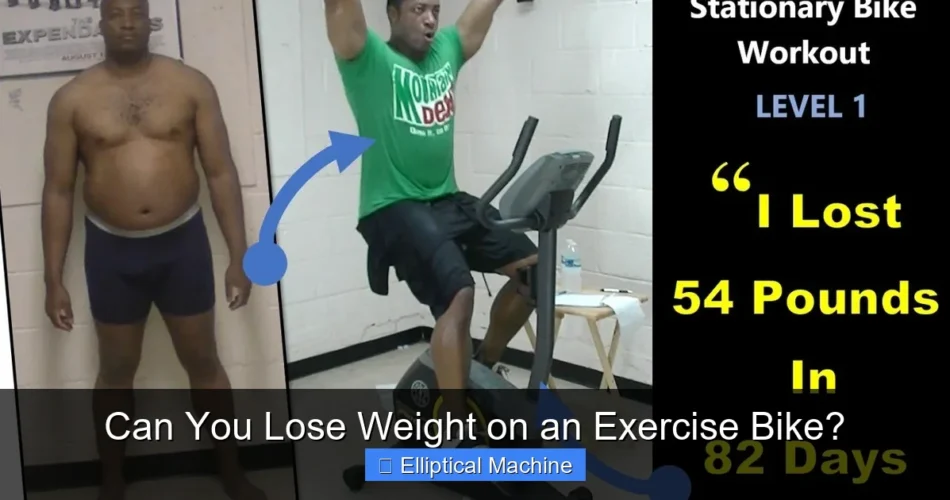
Yes, you absolutely can lose weight on an exercise bike. This method provides an excellent way to burn calories, improve cardiovascular health, and contribute significantly to a calorie deficit, which is fundamental for effective weight loss. Engaging in this practice consistently, coupled with a balanced diet, can lead to sustainable results.
Utilizing a stationary bike offers a low-impact yet highly effective approach to boosting your metabolism and shedding unwanted pounds. It’s a versatile tool that can be adapted to various fitness levels and weight loss goals.
Quick Answers to Common Questions
Can you really lose weight on an exercise bike?
Absolutely! An exercise bike is an excellent tool for burning calories, which is fundamental for creating the calorie deficit needed for weight loss. Consistent use of your exercise bike can significantly contribute to shedding those extra pounds.
How often should I use my exercise bike to see weight loss results?
For effective weight loss, aim for at least 30-60 minutes of moderate-intensity riding on your exercise bike most days of the week. Consistency is key, so find a routine you can stick with!
Do I need to change my diet if I’m using an exercise bike for weight loss?
Yes, combining regular exercise bike sessions with a balanced, calorie-controlled diet is crucial for optimal results. While your exercise bike helps burn calories, what you eat plays a massive role in reaching your weight loss goals.
📑 Table of Contents
The Science Behind Weight Loss and Exercise Bikes
Understanding how your body sheds weight is crucial for any fitness regimen, including one centered on an exercise bike. Weight loss fundamentally boils down to a concept known as a calorie deficit. Simply put, you must burn more calories than you consume.
Calorie Deficit is Key
Your body constantly burns calories through basal metabolic rate (BMR) – the energy required for basic functions like breathing and circulation – and through physical activity. When your total daily energy expenditure (TDEE) exceeds your caloric intake, your body starts to tap into stored fat for energy, leading to weight loss. An exercise bike is a powerful tool to increase your TDEE, making it easier to achieve and maintain this deficit.
How Exercise Bikes Burn Calories
Pedaling on an exercise bike is a form of cardiovascular exercise, also known as aerobic exercise. During this activity, your heart rate increases, your muscles work, and your body requires more oxygen and energy. This energy comes from burning calories, primarily carbohydrates and fats. The number of calories you burn depends on several factors:
- Your Body Weight: Heavier individuals typically burn more calories doing the same activity as lighter individuals.
- Intensity: The harder you pedal and the higher your heart rate, the more calories you’ll expend.
- Duration: Longer workouts naturally lead to greater calorie burn.
- Resistance Level: Increasing the resistance forces your muscles to work harder, ramping up calorie expenditure.
- Fitness Level: As your fitness improves, your body becomes more efficient, and you might need to increase intensity or duration to maintain the same calorie burn.
The consistent rhythmic motion of cycling engages major muscle groups in your legs, including the quadriceps, hamstrings, glutes, and calves, all contributing to a significant calorie burn.
Maximizing Calorie Burn on Your Exercise Bike
To get the most out of your exercise bike for weight loss, it’s not just about pedaling; it’s about smart training. There are specific strategies you can employ to amplify your calorie expenditure and accelerate your progress.
Varying Intensity: HIIT vs. Steady-State
Both High-Intensity Interval Training (HIIT) and steady-state cardio have their merits:
- HIIT (High-Intensity Interval Training): This involves short bursts of intense exercise followed by brief recovery periods. For example, 30-60 seconds of maximum effort pedaling followed by 1-2 minutes of moderate pedaling. HIIT is highly effective for burning calories in a shorter amount of time and can boost your metabolism for hours after your workout (the “afterburn effect” or EPOC). Aim for 2-3 HIIT sessions per week.
- Steady-State Cardio: This involves maintaining a moderate intensity for a longer duration, typically 30-60 minutes. While it might burn fewer calories per minute than HIIT, it’s excellent for building endurance and can be sustained for longer periods, leading to a substantial total calorie burn. It’s also less demanding on the body and can be done more frequently.
A combination of both methods often yields the best results, providing both the metabolic boost of HIIT and the sustained calorie burn of steady-state sessions.
Resistance and RPM
Don’t be afraid to adjust the resistance on your bike. Higher resistance levels force your muscles to work harder, leading to greater strength gains and increased calorie expenditure. Simultaneously, aim for a good RPM (revolutions per minute). While high resistance and low RPM build strength, a moderate resistance with a higher RPM (e.g., 80-100 RPM) is excellent for cardiovascular fitness and calorie burning. Experiment to find a balance that challenges you without causing strain.
Duration and Consistency
To see significant weight loss, consistency is paramount. Aim for at least 150-300 minutes of moderate-intensity exercise or 75-150 minutes of vigorous-intensity exercise per week, as recommended by health organizations. This could translate to 30-60 minutes of cycling most days of the week. Shorter, more frequent sessions can be just as effective as fewer, longer ones, especially if they help you stay consistent. Building a routine is more important than isolated intense efforts.
Integrating Exercise Biking into a Holistic Weight Loss Plan
While an exercise bike is an excellent tool, it’s most effective when part of a broader, holistic approach to weight loss. Think of it as one crucial component of a multi-faceted strategy.
The Role of Diet
You cannot out-exercise a bad diet. Nutrition plays the most significant role in creating and maintaining a calorie deficit. Focus on:
- Whole Foods: Prioritize fruits, vegetables, lean proteins, and whole grains.
- Portion Control: Be mindful of how much you’re eating, even with healthy foods.
- Hydration: Drink plenty of water throughout the day.
- Limiting Processed Foods: Reduce intake of sugary drinks, fast food, and highly processed snacks.
Combining regular exercise biking with mindful eating habits creates a powerful synergy for weight loss.
Strength Training for Metabolism Boost
Adding strength training to your routine complements your cardio efforts beautifully. Muscle tissue is more metabolically active than fat tissue, meaning it burns more calories at rest. Building muscle through strength training (using weights, resistance bands, or bodyweight exercises) can increase your basal metabolic rate, helping you burn more calories even when you’re not cycling.
Recovery and Sleep
Adequate recovery and sleep are often overlooked but vital for weight loss. When you exercise, your body undergoes stress, and it needs time to repair and rebuild. Poor sleep can disrupt hormones that regulate appetite (ghrelin and leptin), leading to increased hunger and cravings. Aim for 7-9 hours of quality sleep per night to support your body’s recovery and metabolic functions.
Common Mistakes to Avoid
Even with the best intentions, certain pitfalls can hinder your progress when trying to lose weight with an exercise bike. Being aware of these common mistakes can help you navigate your journey more effectively.
Overestimating Calories Burned
Many exercise bikes and fitness trackers provide estimates of calories burned. While these can be a good guide, they are often not perfectly accurate and may overestimate actual expenditure. Don’t rely solely on these numbers to justify extra food intake. Focus on your effort, duration, and consistency, and let your dietary discipline be the primary driver of your calorie deficit.
Compensatory Eating
A common mistake is feeling entitled to eat more because you’ve worked out. This “reward” mentality can quickly negate your efforts. A strenuous 30-minute bike ride might burn 300-400 calories, which can easily be replaced by a single cookie or a sugary drink. Be mindful of your post-workout hunger and choose nutrient-dense foods that support your recovery without overshooting your calorie goals.
Lack of Progressive Overload
Your body adapts quickly to exercise. If you do the same workout at the same intensity and duration every single time, your progress will plateau. This lack of progressive overload means your body becomes more efficient, burning fewer calories for the same effort. To continue seeing results, you must periodically challenge yourself by increasing:
- Duration: Cycle for longer periods.
- Intensity: Increase resistance or speed.
- Frequency: Add an extra session per week.
- Variety: Incorporate different types of workouts (e.g., HIIT one day, steady-state another).
Constantly challenging your body is key to sustained progress in this approach to weight loss.
Exercise Bikes: A Key to Sustainable Weight Loss
Beyond calorie burning, exercise bikes offer several advantages that make them a valuable and sustainable tool for your long-term health and weight management journey.
Accessibility and Low Impact
One of the greatest benefits of stationary cycling is its low-impact nature. Unlike running or jumping, cycling puts minimal stress on your joints, making it suitable for people with knee, hip, or ankle issues, older adults, or those recovering from injuries. This accessibility means more people can engage in regular, effective cardio without the risk of aggravating existing conditions. Many bikes are also relatively compact, making them a feasible home workout solution.
Motivation and Progress Tracking
Modern exercise bikes often come with consoles that display metrics like distance, speed, time, resistance level, and estimated calories burned. Tracking these metrics can be incredibly motivating, allowing you to see your progress over time. Many also offer pre-programmed workouts or connectivity to apps that provide virtual rides or instructor-led classes, keeping your workouts engaging and challenging. Seeing improvements in your endurance or speed can be a powerful motivator to stick with your weight loss goals.
Choosing the Right Bike
There are several types of exercise bikes, each with slightly different benefits:
- Upright Bikes: Mimic outdoor cycling, good for general fitness and calorie burn.
- Recumbent Bikes: Offer a reclined position, providing back support and often more comfortable, making them ideal for individuals with back issues.
- Spin Bikes: Designed for intense, high-energy workouts similar to studio spin classes, offering precise resistance control and a challenging experience.
- Dual-Action Bikes: Include handlebars that move, engaging the upper body for a full-body workout.
Choosing the right type depends on your comfort preferences, fitness goals, and budget. Regardless of the type, consistent use is what will drive your weight loss results.
Estimating Calorie Burn and Progress
While precise calorie tracking can be complex, understanding general estimates can help you plan your workouts and assess your progress. Keep in mind that individual results will vary.
Factors Affecting Calorie Burn
As mentioned, your weight, intensity, duration, and even your metabolism influence how many calories you burn. The higher your body weight, the more energy required to move, and thus more calories burned.
Example Calorie Burn Estimates for Exercise Biking
The following table provides approximate calorie burn estimates for 30 minutes of exercise biking at different intensities and body weights. These are general guidelines; actual figures may vary.
| Body Weight (lbs) | Moderate Pace (10-12 mph / 16-19 km/h) | Vigorous Pace (14-16 mph / 22-25 km/h) | Intense Pace (17+ mph / 27+ km/h) |
|---|---|---|---|
| 150 | 270 calories | 390 calories | 495 calories |
| 180 | 324 calories | 468 calories | 594 calories |
| 200 | 360 calories | 520 calories | 660 calories |
| 220 | 396 calories | 572 calories | 726 calories |
(These figures are approximations. Always consult a fitness professional for personalized advice.)
Tracking your progress isn’t just about the scale. Also, monitor changes in your clothing size, energy levels, endurance, and overall well-being. These non-scale victories are powerful motivators and indicators of improving health.
Conclusion
In summary, losing weight on an exercise bike is not only possible but a highly effective and accessible strategy. By consistently creating a calorie deficit through regular workouts on your bike and coupling it with a balanced diet, you can achieve significant and sustainable weight loss. Remember to vary your intensity, include resistance, and prioritize consistency in your routine.
Integrating this practice into a holistic plan that includes strength training, adequate sleep, and mindful eating will further enhance your results. Avoid common pitfalls like overestimating calorie burn and ensure you progressively challenge yourself to prevent plateaus. Embrace the journey, celebrate your progress, and enjoy the many health benefits that come with regular exercise biking.
Frequently Asked Questions
Can you really lose weight by riding an exercise bike?
Yes, absolutely! An exercise bike is an excellent tool for burning calories, which is fundamental for creating the calorie deficit needed for weight loss. Consistent use, combined with a healthy diet, can lead to significant results over time.
How long should I ride my exercise bike each day to lose weight effectively?
For effective weight loss, aim for at least 30-60 minutes of moderate-intensity exercise on your bike most days of the week. Starting with shorter sessions and gradually increasing duration as your fitness improves is a great strategy.
What’s the best intensity for weight loss workouts on an exercise bike?
A combination of moderate-intensity steady-state cardio and high-intensity interval training (HIIT) often yields the best weight loss results. Moderate intensity allows for longer calorie-burning sessions, while HIIT boosts your metabolism and continues to burn calories after your workout.
Do I need to combine exercise bike workouts with diet changes to lose weight?
Yes, diet is a crucial component of any successful weight loss strategy. While an exercise bike helps burn calories, achieving a sustainable calorie deficit is much easier when you also focus on consuming fewer calories and making healthier food choices.
Is an exercise bike good for losing belly fat specifically?
While you can’t “spot-reduce” fat from specific areas, consistent exercise on an exercise bike will contribute to overall body fat reduction, including abdominal fat. As your total body fat percentage decreases, you will naturally see a reduction in belly fat over time.
How quickly can I expect to see results from using an exercise bike for weight loss?
The speed of results varies greatly depending on factors like diet, consistency, and initial weight. However, with consistent use of your exercise bike and a balanced diet, most people can expect to see noticeable weight loss within a few weeks to a couple of months.
When you purchase a product through Amazon links on EllipticalKing.com, we may earn a small commission at no extra cost to you. This helps support the site and keep our content free. As an Amazon Associate, We earn from qualifying purchases