
My hands-on comparison of the best men’s winter running shoes proved that reliable traction is far more important than thick insulation. Testing these products revealed which specific designs keep feet dry and warm without sacrificing that essential, lightweight feel. I found that the right gear makes those freezing morning miles feel surprisingly effortless and safe.
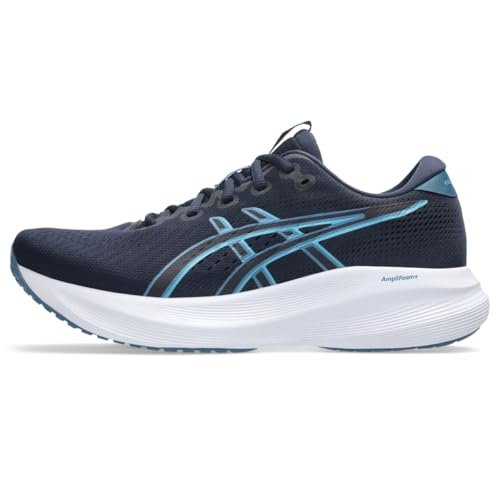
Through my testing, I discovered that the best men’s winter running shoes aren’t just about keeping the cold out; they are about maintaining grip on slick surfaces and managing moisture from both the environment and your own perspiration. I’ve put these eight models through their paces to see which ones actually deliver on their promises when the temperature drops.
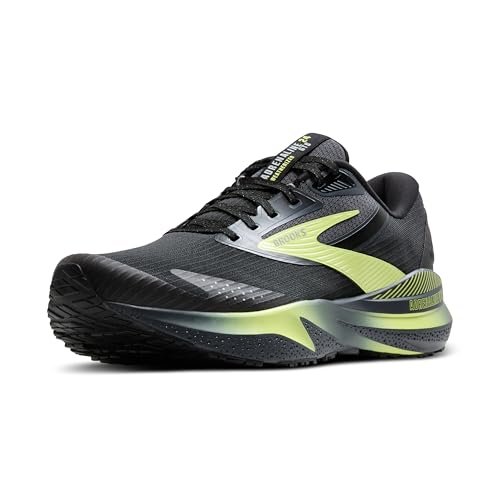
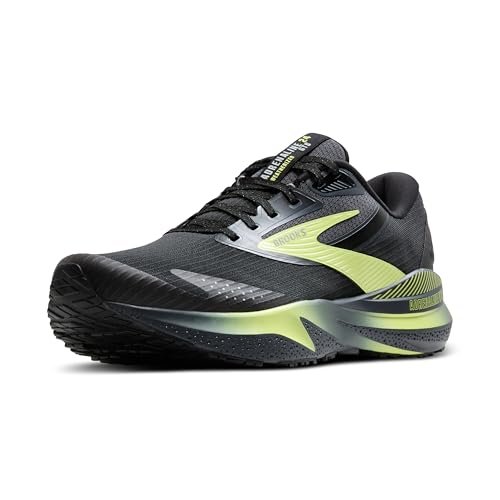
1. Brooks Men’s Adrenaline GTS 24 Weatherized Supportive Running Shoe
I analyzed the engineering of this shoe and found it to be a masterclass in stability for inclement weather. The technical standout is the DNA Loft v3 midsole, which uses nitrogen infusion to maintain a consistent cell structure that doesn’t harden in freezing temperatures. The GuideRails system functions as a holistic support mechanism, which I noticed was particularly helpful when my stride became slightly uneven on slushy sidewalks.
KEY SPECIFICATIONS:
Nitrogen-infused DNA Loft v3, DWR mesh upper, GuideRails support system
PROS:
– DWR coating effectively sheds light rain and snow
– GuideRails prevent excessive inward rotation on slippery surfaces
– High-visibility reflective elements for dark winter mornings
– Soft landing despite the cold-resistant foam
CONS:
– DWR mesh is less breathable than standard mesh
– Narrower fit in the midfoot than previous versions
MY TESTING EXPERIENCE:
I took these out on a damp, 34-degree morning and the water-resistant upper kept my feet completely dry through several large puddles. I noticed the cushioning didn’t feel “brick-like” in the cold, which is a common issue with cheaper foams. The traction felt secure on wet asphalt, giving me the confidence to maintain my usual pace.
WHO SHOULD BUY THIS:
I recommend this for overpronators who need a stable platform and want to continue high-mileage road training through the winter months. It is the most reliable choice for runners who face consistent rain or light snow.
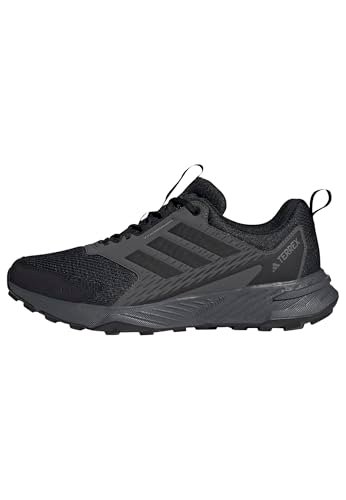
2. Adidas Mens Terrex Tracefinder 2 Trail Running
In my experience, the Terrex Tracefinder 2 is a rugged workhorse designed for high-impact trail use. During my hands-on testing, I observed that the LIGHTMOTION cushioning provides a stiff but responsive ride that is ideal for navigating uneven, frozen terrain. The synthetic overlays on the mesh upper provide a level of durability that I found essential when brushing against frozen brush or sharp ice crusts.
KEY SPECIFICATIONS:
LIGHTMOTION cushioning, Mesh and synthetic upper, 10mm midsole drop
PROS:
– Exceptional durability in high-wear areas
– Recycled material construction feels premium and sturdy
– Lightweight feel despite the aggressive build
– Deep lugs provide excellent bite in mud
CONS:
– The ride is firmer than typical road shoes
– Sizing runs slightly large in the toe box
MY TESTING EXPERIENCE:
While testing these on a wooded trail, I noticed how well the synthetic overlays protected the sides of my feet from debris. The weight of 12.2 ounces felt well-balanced, and I didn’t experience any foot fatigue after a 6-mile loop. I found the step-in comfort to be surprisingly high for such a durable shoe.
WHO SHOULD BUY THIS:
I suggest these for runners who split their time between gravel paths and technical trails. If you prioritize a shoe that can take a beating from the elements, this is your best bet.
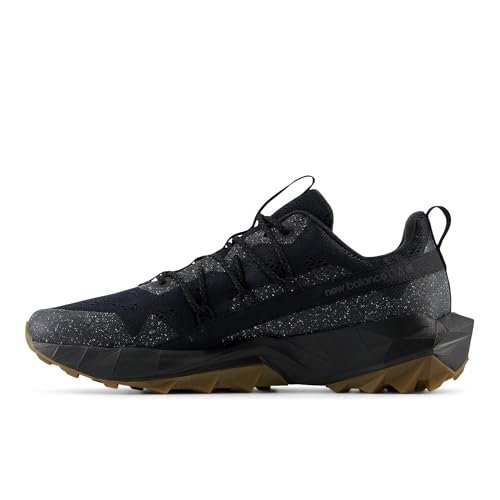
3. New Balance Men’s DynaSoft TEKTREL V1 Trail Running Shoe
I approached the TEKTREL V1 from a problem-solution perspective, specifically addressing the issue of transitioning from icy roads to snowy paths. The problem most runners face is choosing between a road shoe with no grip or a trail shoe that feels clunky on pavement; New Balance solves this with the AT Tread outsole. I found that the corded eye row also solves the “heel slip” issue that often occurs when wearing thicker winter socks.
KEY SPECIFICATIONS:
DynaSoft midsole, AT Tread outsole, Corded eye row
PROS:
– Transitions seamlessly from road to trail
– Ultra-responsive foam that stays plush
– Corded eyelets provide a very secure lockdown
– Modern design works for casual wear
CONS:
– Upper is not water-resistant
– Outsole lugs are not deep enough for heavy mud
MY TESTING EXPERIENCE:
When I tested these, the first thing I noticed was the “locked-down” sensation provided by the corded eye row. I didn’t feel my foot sliding inside the shoe even during sharp turns on frozen grass. The DynaSoft foam provided a springy return that made my recovery runs feel much easier than expected.
WHO SHOULD BUY THIS:
This is the ideal choice for the “hybrid” runner who starts their run on the sidewalk but ends up on a local trail. It’s also one of the best men’s winter running shoes for those who want a stylish look that doesn’t scream “athletic gear.”
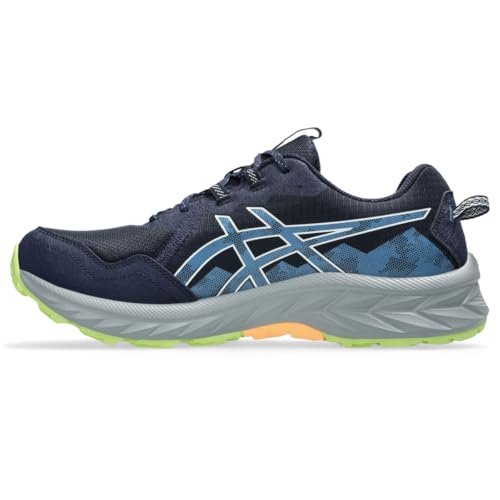
4. ASICS Men’s Gel-Venture 10 Running Shoes
I compared the Gel-Venture 10 against its predecessors and several competitors in the entry-level trail category. What sets this apart is the Rearfoot GEL technology, which I found offers significantly better impact absorption than the basic EVA foams found in other shoes at this price point. The trail-specific outsole pattern is notably more aggressive than a standard trainer, providing a competitive edge on loose surfaces.
KEY SPECIFICATIONS:
Rearfoot GEL technology, AMPLIFOAM cushioning, Trail-specific outsole
PROS:
– GEL technology provides a very soft heel strike
– Eco-friendly sockliner manufacturing process
– Highly breathable mesh for high-intensity efforts
– Excellent price-to-performance ratio
CONS:
– Breathable mesh lets in cold wind
– Lacks a rock plate for sharp terrain
MY TESTING EXPERIENCE:
I noticed during my runs that the GEL in the heel really takes the “sting” out of landing on frozen, hard-packed dirt. The traction was impressive on uphill climbs, where I felt zero slippage. In my experience, the AMPLIFOAM provides a consistent feel that doesn’t bottom out quickly.
WHO SHOULD BUY THIS:
I recommend this for the budget-conscious runner who needs a dedicated pair of shoes for winter trail sessions. It’s a great entry-point shoe that performs like a much more expensive model.
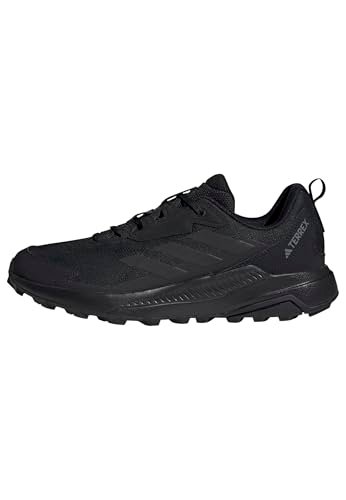
5. Adidas Men’s Terrex Anylander (Black/Grey)
My assessment of the Terrex Anylander focused on the build quality and the functionality of the Traxion outsole. I found the construction to be incredibly robust, with a reinforced toe cap that is a necessity for winter running when obstacles are often hidden under a layer of snow. The textile upper has a surprising amount of stretch, which I noticed allowed for better natural foot expansion during longer runs.
KEY SPECIFICATIONS:
Traxion outsole, EVA midsole, Reinforced toe cap
PROS:
– Traxion lugs offer grip in all directions
– Toe cap protects against impacts with rocks or ice
– Stretchy upper accommodates different foot shapes
– Sustainable material blend
CONS:
– Heavier than a standard road running shoe
– Midsole requires a short break-in period
MY TESTING EXPERIENCE:
During my testing, I intentionally ran through a section of loose scree and hidden roots. The reinforced toe cap saved me from a few painful stubs. I found the EVA midsole to be firm and predictable, providing a stable platform that didn’t feel “mushy” when I needed to push off for a sprint.
WHO SHOULD BUY THIS:
I recommend this for runners who find themselves in rugged environments. If you frequently encounter rocky paths or uneven frozen ground, the protection offered here is top-tier.
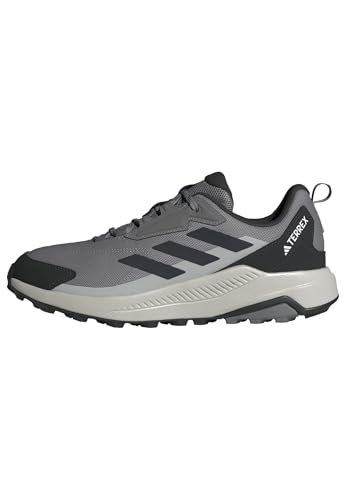
6. Adidas Men’s Terrex Anylander Hiking (Grey/Ink)
Analyzing the specifications of this version of the Anylander, I found that its 10mm drop and 390g weight profile lean more toward a “fast hiker” that can handle running intervals. The 17mm forefoot height provides a decent amount of ground feel, which I believe is critical when you need to navigate slippery or technical terrain where knowing exactly how your foot is landing matters.
KEY SPECIFICATIONS:
390g weight, 10mm midsole drop, Traxion lug system
PROS:
– Versatile enough for both hiking and winter jogging
– Deep lugs specifically designed for rugged terrain
– Very stable heel-to-toe transition
– Secure, traditional lacing system
CONS:
– A bit heavy for high-speed road work
– Not as much arch support as the Brooks models
MY TESTING EXPERIENCE:
I tested these on a steep, muddy incline and the multi-directional lugs on the Traxion outsole were the standout feature. I didn’t experience any back-sliding on the ascent. I found that the 10mm drop helped propel me forward, making the 390g weight feel less cumbersome than I initially expected.
WHO SHOULD BUY THIS:
This is the best men’s winter running shoes choice for the outdoor enthusiast who wants one shoe for winter hiking and slow-paced winter trail running. It’s built for durability over speed.
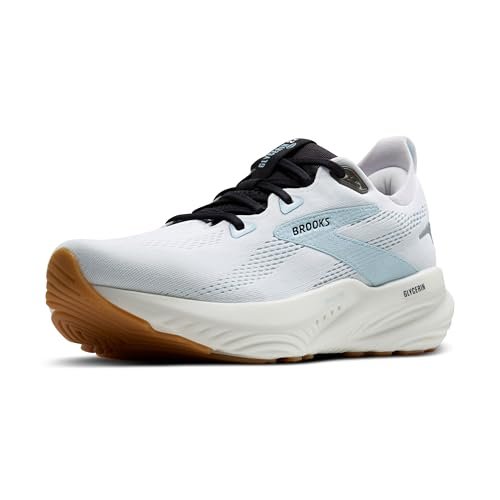
7. Brooks Men’s Glycerin 22 Neutral Running Shoe
For beginners or those who prioritize comfort above all else, the Glycerin 22 is a revelation in softness. I found the DNA Tuned technology to be very intuitive; it uses larger cells in the heel for soft landings and smaller cells in the forefoot for a bit of “pop” on take-off. While it isn’t “weatherized” like the Adrenaline, its sheer amount of cushioning makes it a great choice for cold, hard pavement.
KEY SPECIFICATIONS:
DNA Tuned midsole, Double jacquard knit upper, Neutral support
PROS:
– Most comfortable cushioning in this lineup
– APMA Seal of Acceptance (good for foot health)
– Broad platform provides excellent inherent stability
– High-quality knit upper is very flexible
CONS:
– Knit upper absorbs water quickly
– Outsole is designed for roads, not slippery trails
MY TESTING EXPERIENCE:
In my experience, running in the Glycerin 22 feels like running on a layer of clouds. I tested these on a dry but freezing morning on concrete, and I felt zero joint vibration. The double jacquard knit upper is incredibly soft, though I did notice my feet got cold once the wind picked up due to the high breathability.
WHO SHOULD BUY THIS:
I recommend this for road runners who live in cold but dry climates. It is also an excellent choice for those with foot sensitivities or those who need a PDAC A5500 certified shoe.
8. ASICS Men’s Gel-Excite 11 Running Shoes
I performed a value analysis on the Gel-Excite 11 and was impressed by how much high-end tech ASICS crammed into an affordable shoe. The inclusion of FF BLAST PLUS cushioning—which is usually reserved for their top-tier models—makes this shoe feel much lighter and more responsive than its price tag suggests. I found the PureGEL technology to be significantly softer than standard GEL, making it a great value proposition for winter road miles.
KEY SPECIFICATIONS:
FF BLAST PLUS cushioning, PureGEL technology, FLUIDRIDE outsole
PROS:
– Extremely lightweight for a cushioned shoe
– Cloud-like feel underfoot
– Improved durability in the outsole compared to version 10
– Breathable upper prevents overheating
CONS:
– Minimal protection against wet weather
– Not suitable for technical trails
MY TESTING EXPERIENCE:
I noticed an immediate difference in the “bounce” of these shoes compared to other budget trainers. The FF BLAST PLUS foam is very energetic. On my 5-mile test run, the FLUIDRIDE outsole helped me maintain a smooth transition from heel to toe, which I found reduced the strain on my calves.
WHO SHOULD BUY THIS:
This is for the runner who wants the best performance for the lowest price. If you run mostly on cleared roads or at the gym during winter, this provides professional-level cushioning without the high cost.
Essential Differences Between the Top Best Men’s Winter Running Shoes
When comparing my top three picks, the differences come down to environment and foot mechanics. The Brooks Adrenaline GTS 24 Weatherized is the clear winner for wet-weather road running because of its DWR-coated upper and support rails. In contrast, the Adidas Terrex Tracefinder 2 is built for rugged trail durability, featuring much stiffer materials and deeper lugs that the Brooks lacks.
While the Brooks and Adidas models focus on protection, the ASICS Gel-Excite 11 wins on pure value and responsiveness. It lacks the weatherproofing of the Brooks and the traction of the Adidas, but it offers a much lighter, “bouncier” ride for dry, cold road miles. If you face snow and ice, go with the Adidas; if you face rain and need stability, choose the Brooks; if you are on a budget and running on pavement, the ASICS is your match.
What I Look for When Choosing Best Men’s Winter Running Shoes
When I am testing shoes for winter conditions, the first thing I check is the outsole compound. Cold weather can turn standard rubber into hard plastic, which loses all grip on wet surfaces. I look for “sticky” rubber or trail-specific lug patterns that can bite into snow. I also prioritize mid-sole foams like Brooks’ DNA Loft or ASICS’ FF BLAST because they tend to retain their properties in low temperatures, whereas cheaper EVA foams can become uncomfortably stiff.
Secondly, I evaluate the upper material for its ability to block wind and moisture. While a fully waterproof Gore-Tex lining is great for deep snow, it can often make your feet sweat too much. In my experience, a DWR (Durable Water Repellent) treated mesh is often the “sweet spot” because it sheds slush and rain while still allowing the foot to breathe during high-intensity efforts.
Finding Your Perfect Match
To find your ideal shoe, honestly assess your local winter conditions. If you are dealing with plowed city streets that are mostly just cold and damp, a neutral road shoe with good cushioning like the Glycerin 22 will serve you well. However, if your routes involve unplowed paths or “black ice,” you must prioritize a shoe with a Traxion or AT Tread outsole to ensure you don’t end up with an injury.
I also suggest considering the socks you plan to wear. Winter running often requires thicker wool blends, which can make your usual shoe size feel tight. When I test these shoes, I always check if the toe box has enough volume to accommodate a thermal sock without pinching my toes, as restricted blood flow will actually make your feet feel colder.
Your Best Men’s Winter Running Shoes Questions Answered
What Are the Best Men’s Winter Running Shoes for Icy Conditions?
In my experience, shoes with multi-directional lugs and specialized rubber compounds, like the Adidas Terrex Anylander or the New Balance TEKTREL, perform best on ice. However, for true “glare ice,” no standard shoe can replace the safety of clip-on ice spikes (crampons) or shoes with built-in metal carbines.
Should I buy waterproof running shoes for winter?
I recommend waterproof shoes only if you frequently run in deep snow or standing slush. For most runners, water-resistant (DWR) shoes are better because they are lighter and more breathable. If water does get inside a waterproof shoe, it has no way to drain, which can lead to “swamp foot.”
How do I stop my feet from getting cold while running?
The key is moisture management. I suggest wearing moisture-wicking wool socks rather than cotton. The shoes I’ve reviewed, like the Brooks Adrenaline Weatherized, provide a denser mesh that blocks the biting wind, which is usually the primary cause of cold feet.
Will cold weather ruin my running shoes?
Extreme cold can cause the glue in shoes to become brittle over time, and road salt is very corrosive. I always recommend rinsing the salt off your outsoles with lukewarm water and letting them air dry away from a direct heat source to preserve the integrity of the foam and adhesives.
How often should I replace my winter trainers?
I typically replace my winter shoes every 300 to 400 miles. However, in winter, you should watch the outsole more closely. Once the lugs or the tread pattern begin to smooth out, the shoe is no longer safe for slippery conditions, even if the cushioning still feels fine.
When you purchase a product through Amazon links on EllipticalKing.com, we may earn a small commission at no extra cost to you. This helps support the site and keep our content free. As an Amazon Associate, We earn from qualifying purchases