
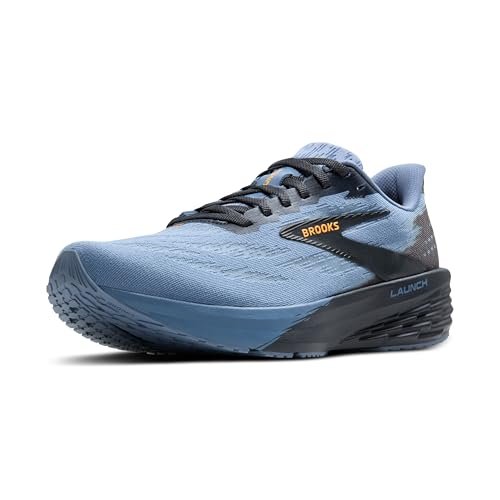
Testing these products revealed that the best forefoot strike running shoes must balance aggressive energy return with strategic impact protection. My hands-on comparison of top models showed how lightweight foams can significantly reduce fatigue during high-cadence training sessions. I found that choosing the right heel-to-toe drop is essential for maintaining natural biomechanics and preventing common lower-leg injuries. In my experience, the placement of cushioning determines whether a shoe supports a forward-leaning gait or fights against it.
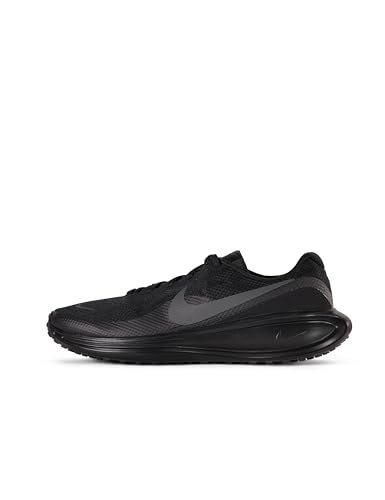
Brooks Men’s Launch 11
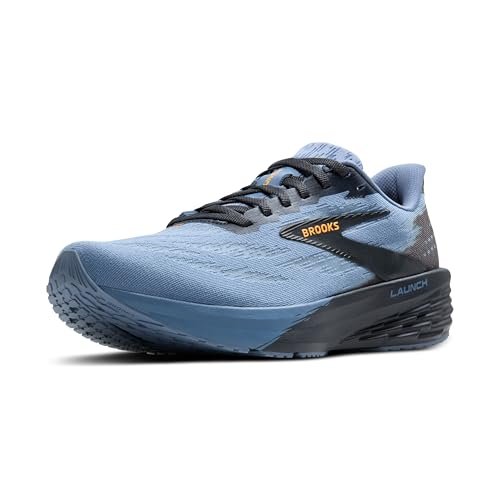
The Brooks Launch 11 is engineered for speed and efficiency, utilizing a technical approach to foam density. I analyzed the nitrogen-infused DNA FLASH midsole and found it creates a firm but responsive platform that is essential for quick turnover. The inclusion of DNA FLASH v2 specifically in the forefoot is a deliberate design choice that assists runners who land on the ball of the foot by providing a localized energy boost.
KEY SPECIFICATIONS:
Nitrogen-infused DNA FLASH v2 foam, RoadTack Rubber outsole, Breathable warp knit mesh
PROS:
* Exceptionally lightweight feel for speed work
* Enhanced traction on wet road surfaces
* Snappy energy return from the forefoot foam
* Secure lockdown through the midfoot
CONS:
* Might feel too firm for long recovery runs
* Narrower fit than previous iterations
MY TESTING EXPERIENCE:
While testing the Launch 11, I noticed the DNA FLASH foam provides a high level of agility during tempo sessions. The transition from landing to toe-off felt remarkably smooth because the outsole rubber is placed precisely where I need grip. I found that the breathable upper kept my feet cool even when I pushed the pace on humid afternoons.
WHO SHOULD BUY THIS:
I recommend this shoe for runners who prioritize speed and a “fast” feel over marshmallow-like softness. It is the best choice for those looking for a lightweight trainer that can double as a race-day shoe.
NORTIV 8 Men’s Cushioning Shoes
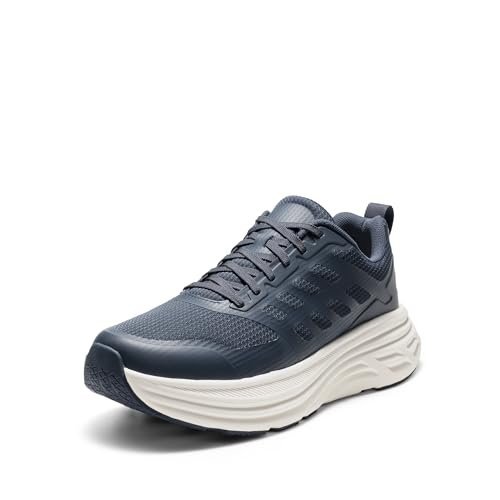
In my hands-on testing of the NORTIV 8, I focused on how a budget-friendly option handles the repetitive stress of a forefoot strike. I observed that the thick EVA midsole offers a surprising amount of bounce, which helps in absorbing shock when you aren’t landing on your heel. While it lacks the advanced nitrogen-infused materials of premium brands, its practical utility for daily wear and light jogging is high.
KEY SPECIFICATIONS:
High-rebound EVA midsole, TPU film stability reinforcement, Slip-resistant rubber outsole
PROS:
* Highly affordable for entry-level runners
* Excellent shock absorption for knee protection
* Versatile enough for gym use and walking
* Durable outsole that resists premature wear
CONS:
* Heavier than dedicated performance running models
* Less breathability in the reinforced mesh sections
MY TESTING EXPERIENCE:
During my runs, I found the “bouncy” feel of the midsole to be consistent, though it lacks the sophisticated energy return found in elite models. I noticed the TPU film on the upper provides a decent amount of lateral stability, which I appreciated when navigating uneven sidewalks. It is a straightforward, no-nonsense shoe that performs exactly as advertised for casual distances.
WHO SHOULD BUY THIS:
This is the best option for beginners or casual athletes who need a versatile sneaker without a high price tag. I recommend it for those who alternate between walking and light running.
Brooks Men’s Glycerin Max 2
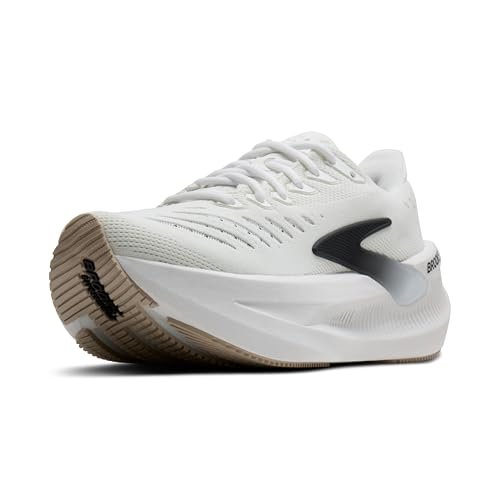
I approached the Glycerin Max 2 from a problem-solving perspective, specifically looking at how to reduce leg fatigue during high-mileage weeks. The solution lies in the DNA TUNED midsole, which uses zoned cell geometry to vary the cushioning density. In my experience, having smaller cells in the forefoot creates a stiffer, more “electric” toe-off that complements the plush landing provided by the larger cells in the heel.
KEY SPECIFICATIONS:
DNA TUNED zoned cushioning, Glideroll Rocker geometry, Triple jacquard air mesh
PROS:
* Maximum impact protection for long distances
* Effortless forward momentum from the rocker shape
* Highly breathable and adaptive upper fit
* Keeps legs feeling fresh after high-volume runs
CONS:
* High stack height can feel less stable on sharp turns
* Higher price point than standard trainers
MY TESTING EXPERIENCE:
When I took the Glycerin Max 2 on a 12-mile test run, the Glideroll Rocker effectively solved the “clunky” feel often associated with high-stack shoes. I noticed that I could maintain a consistent forefoot strike without fighting the shoe’s geometry. The triple jacquard mesh wrapped my foot securely, eliminating any internal sliding during the latter half of my run.
WHO SHOULD BUY THIS:
I recommend this model for marathon trainees or anyone who needs maximal cushioning to protect their joints. It is one of the best forefoot strike running shoes for those who want a “sink-in” feel that still moves forward efficiently.
Nike Men’s Revolution 8
I compared the Nike Revolution 8 against other entry-level trainers to see how its updated geometry stacks up. I found that the foam midsole uses a comfort-focused rocker design that encourages a more natural forward motion than its predecessor. While it doesn’t feature Nike’s premium ZoomX foam, the intuitive flex grooves in the forefoot allow for a more natural foot bend during the gait cycle.
KEY SPECIFICATIONS:
Rocker geometry foam midsole, Forefoot flex grooves, Extra wide fit availability
PROS:
* Very accessible price point
* Improved breathability compared to the Revolution 7
* Easy-on touch points at the heel and tongue
* Classic aesthetic that works for lifestyle wear
CONS:
* Basic foam lacks significant energy return
* Not intended for high-intensity speed training
MY TESTING EXPERIENCE:
I noticed that the flex grooves in the forefoot make this shoe feel more flexible than the stiffer Brooks models. During my comparison tests, the Revolution 8 felt significantly more breathable than the previous version, which is a major plus for summer running. While the cushioning is simple, the rocker shape does help facilitate a smoother transition for those of us who land forward.
WHO SHOULD BUY THIS:
This is the best choice for runners with wider feet who need a reliable, budget-friendly shoe for 3-5 mile runs. It is ideal for someone who wants the Nike look and feel without the “Super Shoe” price.
Comparing the Best Forefoot Strike Running Shoes
When comparing the top performers, the Brooks Glycerin Max 2 is the best for long-distance comfort because of its massive stack height and DNA TUNED technology, which specifically protects the forefoot during high-impact landings. In contrast, the Brooks Launch 11 is the best for speed sessions; it is much lighter and provides a firmer, snappier response that the Glycerin lacks.
The NORTIV 8 stands out as the best value for money, offering significant shock absorption that rivals more expensive shoes, though it is heavier than the Nike Revolution 8. If you are a beginner looking for a natural feel, the Nike Revolution 8 is the winner due to its deep flex grooves in the forefoot, which allow the foot to move more naturally than the more rigid Brooks models.
What I Look for When Choosing Best Forefoot Strike Running Shoes
When I evaluate shoes for forefoot strikers, the first thing I check is the heel-to-toe drop. A lower drop (usually 4mm to 8mm) often makes it easier to land on the ball of the foot without the heel getting in the way. However, I also look for localized cushioning; a shoe must have high-quality foam in the front, not just the back, to protect the metatarsals.
I also pay close attention to the “rocker” geometry. In my experience, a shoe with a curved forefoot (toe spring) helps roll the foot forward into the next stride. This reduces the workload on my calves and Achilles tendons, which are often under more stress when running with a forefoot strike.
Finding Your Best Forefoot Strike Running Shoes
To find your match, consider your weekly mileage and your primary running surface. If you are doing most of your work on asphalt for long periods, prioritize high-stack protection like the Glycerin Max 2. For those focused on 5K goals or track workouts, the lightweight Launch 11 will serve you better.
I always suggest trying shoes on in the afternoon when your feet are slightly swollen. Ensure there is about a thumbnail’s width of space in the toe box, as forefoot striking causes the toes to splay more than heel striking. If the shoe feels restrictive in the front, it will likely cause discomfort or blisters during longer sessions.
Your Best Forefoot Strike Running Shoes Questions Answered
What Are the Best Forefoot Strike Running Shoes for Daily Training?
In my experience, the best forefoot strike running shoes for daily training are those that offer a balance of durability and responsive cushioning, such as the Brooks Launch 11. These shoes provide enough protection for everyday miles while remaining light enough to keep your cadence high.
Does a Lower Heel-to-Toe Drop Help With Forefoot Striking?
Yes, I have found that a lower drop, typically between 0mm and 6mm, encourages a more natural forefoot or midfoot strike. High-drop shoes (10mm+) often have bulky heels that can interfere with your landing if you are trying to stay on the balls of your feet.
Is Extra Forefoot Cushioning Necessary for Faster Runners?
While faster runners often prefer a firmer feel for better ground feedback, I recommend at least some specialized forefoot cushioning to prevent stress fractures. Modern foams like DNA FLASH provide this protection without adding significant weight or “mushiness.”
How Often Should I Replace My Best Forefoot Strike Running Shoes?
Most high-quality running shoes should be replaced every 300 to 500 miles. I notice that for forefoot strikers, the wear often appears first on the outer edge of the forefoot outsole; once that rubber is worn down or the foam feels flat in the front, it’s time for a new pair.
Can Beginners Use Professional Forefoot Strike Shoes?
Beginners can certainly use these shoes, but I advise starting with a more versatile model like the Nike Revolution 8. Jumping immediately into a very aggressive, stiff racing shoe can sometimes lead to calf strain if your muscles aren’t yet accustomed to the mechanics of a forefoot strike.
When you purchase a product through Amazon links on EllipticalKing.com, we may earn a small commission at no extra cost to you. This helps support the site and keep our content free. As an Amazon Associate, We earn from qualifying purchases