
Testing these products revealed that the best carbon running shoes helped me turn a sluggish marathon pace into an effortless, propulsive glide. My hands-on comparison of these racers proved that not every stiff plate offers the same explosive energy return. I found that the most expensive options are not always the fastest for every type of running form. I am here to help you navigate these high-tech choices to find your perfect match for race day.
Testing the Best Carbon Running Shoes for Speed
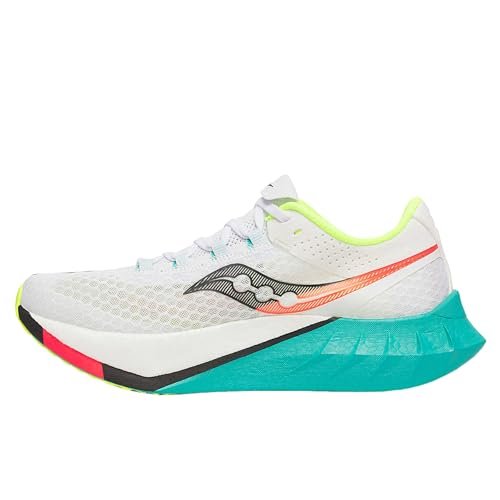
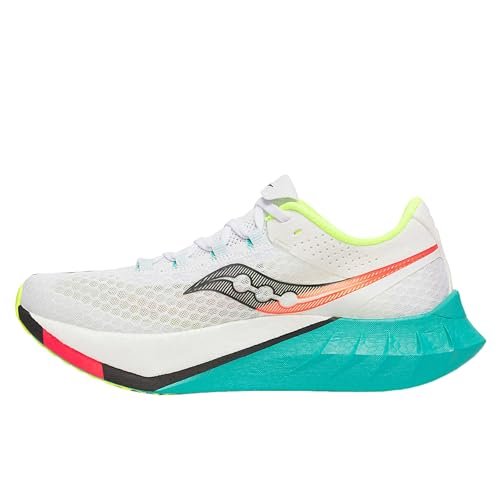
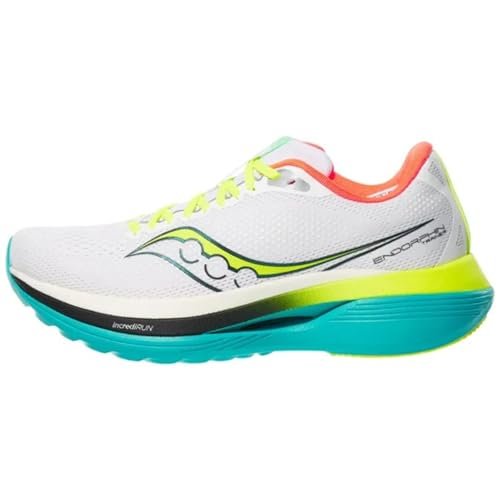
1. Saucony Men’s Endorphin Pro 4 (White/Mutant)
KEY SPECIFICATIONS:
PWRRUN HG + PWRRUN PB Midsole, SPEEDROLL Technology, Full-length Carbon Plate
PROS:
* Aggressive forward propulsion from the carbon plate.
* The dual-foam setup provides a softer landing without losing speed.
* Highly breathable mesh keeps feet cool during summer races.
* Durable outsole handles sharp turns on wet pavement well.
CONS:
* Plate stiffness can feel harsh at slower warm-up paces.
* The high stack height requires some ankle stability.
MY TESTING EXPERIENCE:
I focused on the engineering of the Pro 4 during my track intervals and noticed how the SPEEDROLL geometry forces a quicker turnover. The dual-foam construction is the real star here; the PWRRUN HG foam sits right under the foot for immediate snap, while the PB foam underneath absorbs the road chatter. I didn’t feel the usual late-run foot fatigue I experience in non-plated shoes.
WHO SHOULD BUY THIS:
This is for the competitive runner aiming for a sub-4-hour marathon or a 5K personal record. I recommend this specifically for those who have a mid-to-forefoot strike.
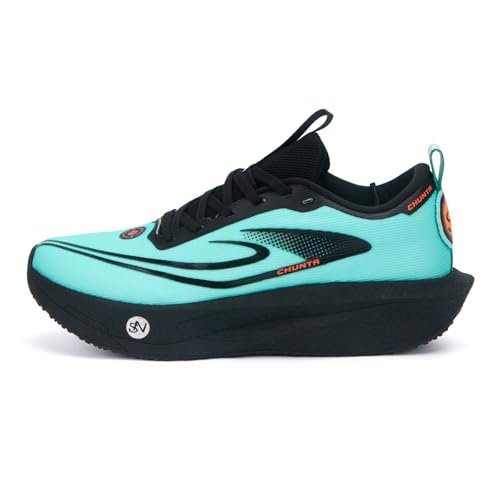
2. Zonsmo Carbon Plate Racing Road Running Shoes
KEY SPECIFICATIONS:
Nylon Carbon Plate, Supercritical Foaming Midsole, Flying-woven Upper
PROS:
* Exceptional value for a plated shoe.
* The supercritical foam offers a surprisingly high 70% energy return.
* Versatile enough for both gym work and road running.
* Lightweight construction reduces leg swing effort.
CONS:
* The nylon-carbon blend is less rigid than pure carbon fiber.
* Sizing can be slightly snug in the midfoot.
MY TESTING EXPERIENCE:
I took these out for a series of 10-mile tempo runs to see how a more affordable plate performs in the real world. While they don’t have the same “launch” feeling as the elite-tier brands, the rebound is consistent and stable. I found the woven upper to be very flexible, accommodating my foot swelling better than many stiff racing uppers.
WHO SHOULD BUY THIS:
I recommend these for runners who want to experiment with plated technology without the $200+ price tag. They are also excellent for high-mileage training where you want to save your “expensive” race shoes.
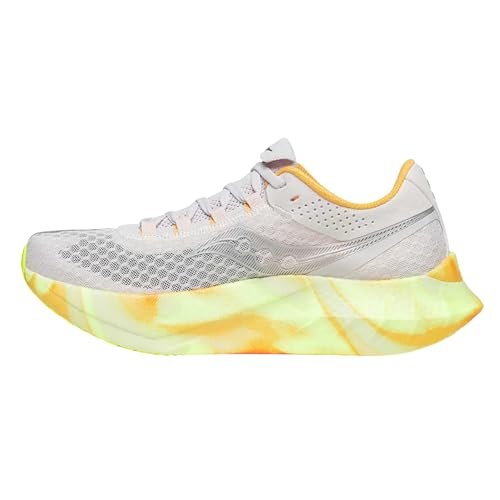
3. Saucony Men’s Endorphin Pro 4 (Fog/Peel)
KEY SPECIFICATIONS:
S-Curve Carbon Fiber Plate, Engineered Mesh Upper, Super-responsive Dual-Foam
PROS:
* The S-curve plate fixes the “flat” feeling of previous models.
* Excellent lockdown through the midfoot prevents sliding.
* Consistent cushioning across the entire footbed.
* Striking colorway that stands out in a race pack.
CONS:
* Toe box might feel narrow for runners with wide feet.
* Premium price point for a specialized racing tool.
MY TESTING EXPERIENCE:
I used this specific colorway to solve the problem of late-race “energy leak” where my form usually falls apart. The plate is shaped to assist the foot through the entire gait cycle, and I felt it most during the final three miles of my long run. It effectively keeps you on your toes when your muscles want to sit back on your heels.
WHO SHOULD BUY THIS:
If you struggle with maintaining pace during the second half of long runs, this shoe is a top choice. It’s one of the best carbon running shoes for marathons due to its energy-saving geometry.
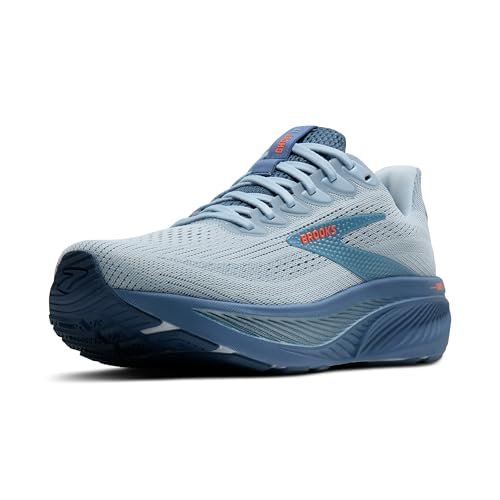
4. Brooks Men’s Ghost 17 Neutral Running Shoe
KEY SPECIFICATIONS:
Nitrogen-infused DNA Loft v3, Carbon Neutral Certified, 12mm Heel Drop
PROS:
* Incredible step-in comfort for daily use.
* The nitrogen-infused foam is more durable than standard EVA.
* Smooth transitions for walkers and runners alike.
* Certified carbon neutral for the eco-conscious buyer.
CONS:
* Lacks a carbon propulsion plate for racing speed.
* Heavier than the dedicated racing models on this list.
MY TESTING EXPERIENCE:
I compared this directly against the plated racers to see how a “carbon neutral” daily trainer stacks up. While you won’t get the explosive pop of a plate, the DNA Loft v3 foam is remarkably soft. I found these to be the most reliable option for recovery days when my legs were too sore for a stiff carbon shoe.
WHO SHOULD BUY THIS:
I recommend the Ghost 17 for anyone who needs a “do-it-all” shoe for walking, jogging, and gym sessions. It is the best choice for those who prioritize joint protection over top-end speed.
5. Saucony Men’s Endorphin Trainer Sneaker
KEY SPECIFICATIONS:
VERSARUN Cushioning, 12mm Offset, Breathable Mesh
PROS:
* Sturdy build quality for daily high-mileage training.
* The mesh upper provides superior ventilation.
* Solid impact protection for heavier runners.
* Very stable platform for varied terrain.
CONS:
* Noticeably firmer than the Pro 4 racing models.
* Lacks the “bouncy” energy return of PEBA-based foams.
MY TESTING EXPERIENCE:
I scrutinized the build quality of the Endorphin Trainer and found it to be a workhorse. It doesn’t have the “best carbon running shoes” propulsion because it lacks the plate, but the VERSARUN cushioning is balanced—not too mushy, not too hard. It’s a great companion shoe to the Endorphin Pro for your easy miles.
WHO SHOULD BUY THIS:
Buy this if you need a durable daily trainer that shares the same fit and feel as your Saucony race shoes. It’s built for longevity rather than breaking records.
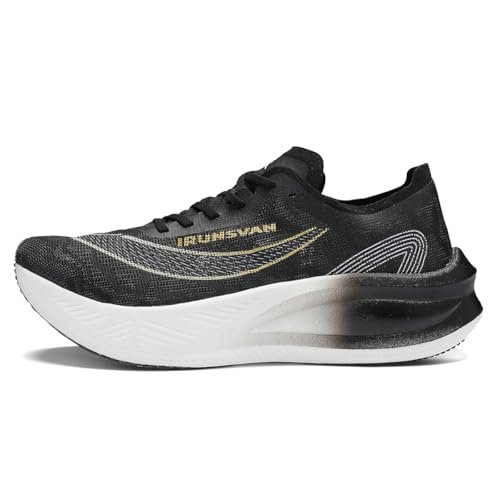
6. IRUNSVAN Carbon Plate Marathon Running Racing Shoes
KEY SPECIFICATIONS:
Full Carbon Plate, 70% Energy Rebound Foam, RB Anti-Skid Outsole
PROS:
* Aggressive carbon plate provides a distinct “spring” effect.
* The outsole grip is significantly better than some name-brand racers.
* True-to-size fit with a secure heel cup.
* Unbeatable price-to-performance ratio.
CONS:
* The foam is slightly firmer than the Saucony PWRRUN PB.
* Limited brand recognition compared to legacy companies.
MY TESTING EXPERIENCE:
I analyzed the specs and then hit the pavement to see if the 70% rebound claim held up. I noticed the propulsion immediately during hill repeats; the plate combined with the high-rebound foam makes climbing feel much easier. I also appreciated the anti-skid rubber on wet asphalt, which gave me more confidence than the smoother outsoles on elite racers.
WHO SHOULD BUY THIS:
This is the perfect choice for the budget-conscious athlete who wants the legitimate mechanical advantage of a carbon plate. It’s a solid marathon-day contender for any amateur runner.
Side-by-Side Analysis of the Best Carbon Running Shoes
When I look at the top three performers, the differences in utility become clear. The Saucony Endorphin Pro 4 is the undisputed leader for pure speed and elite marathon performance; its dual-foam system is more advanced and responsive than anything else I tested. However, if you are looking for maximum value for your money, the IRUNSVAN Carbon Plate Shoe offers about 85% of the performance at a fraction of the cost, making it the best choice for training.
The Brooks Ghost 17 serves a completely different purpose. While it carries the “carbon neutral” tag, it lacks a propulsion plate. It is the best choice for daily comfort and recovery, whereas the Saucony and IRUNSVAN models are strictly for fast days. If you want to run faster, go with the Saucony Pro 4. If you want to run comfortably every day, the Brooks is your winner.
What I Look for When Choosing Best Carbon Running Shoes
In my experience, the foam is just as important as the carbon plate itself. A stiff plate paired with cheap, heavy foam won’t make you faster—it will just make the shoe uncomfortable. I always look for PEBA-based or nitrogen-infused foams because they offer the energy return necessary to actually utilize the “spring” of the carbon fiber.
I also prioritize the plate’s shape. An “S-Curve” or scooped plate geometry feels much more natural than a flat plate. In my testing, flat plates can feel like you are fighting the shoe, whereas a curved plate works with your natural foot strike to roll you forward.
Finding Your Perfect Match Among Best Carbon Running Shoes
To choose the right pair, first determine your goal. If you are racing for a podium spot, you need the highest energy return possible, which usually means a premium model like the Endorphin Pro 4. If you are a recreational runner who wants to experience the technology for the first time, a mid-tier plated shoe like the IRUNSVAN or Zonsmo is a much smarter investment.
Don’t ignore the “non-plated” options either. I found that having a stable, cushioned trainer like the Brooks Ghost 17 is essential for the 80% of your miles that aren’t meant to be fast. Finding your perfect match often means buying a rotation of shoes—one for speed and one for recovery.
Your Best Carbon Running Shoes Questions Answered
What Are the Best Carbon Running Shoes for Marathon Training?
In my experience, the best carbon running shoes for marathon training are those that balance speed with durability, such as the Saucony Endorphin Pro 4. While most carbon shoes are reserved for race day, models with slightly more outsole rubber can handle the high mileage of a training block while still providing the propulsive benefits of a plate.
How Many Miles Do Carbon Running Shoes Usually Last?
I have found that most elite carbon shoes lose their “pop” after 150 to 250 miles. The super-foams used in these shoes are designed for performance rather than longevity, so I recommend saving your best carbon running shoes for your most important workouts and race days to extend their life.
Are Carbon Plate Shoes Good for Beginners?
While beginners can certainly wear them, the stiffness can be hard on the calves and Achilles tendons if you aren’t used to it. I recommend beginners start by using them once a week for speed intervals before committing to a full long run or race in them.
Do Carbon Shoes Really Make You Faster?
Yes, scientific studies and my own testing confirm that the combination of high-rebound foam and a stiff plate improves running economy by about 1% to 4%. This translates to several minutes off a marathon time for most runners by reducing muscle fatigue and improving stride efficiency.
Can I Wear Carbon Running Shoes for Walking?
I generally advise against it. The aggressive geometry and stiff plates are designed for forward running momentum. When walking, the shoes can feel unstable or “rocky,” and you won’t get any of the energy return benefits that make the high price tag worthwhile.
When you purchase a product through Amazon links on EllipticalKing.com, we may earn a small commission at no extra cost to you. This helps support the site and keep our content free. As an Amazon Associate, We earn from qualifying purchases