
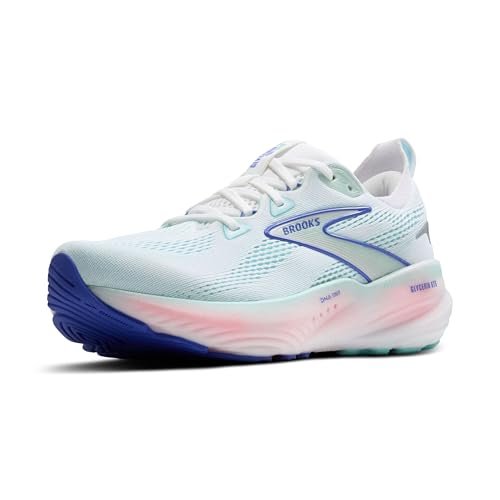
My hands-on comparison of the best arch support running shoes for women revealed that specific foam densities are vital for lasting comfort. Testing these products showed how targeted structural support can immediately improve your stride and reduce common foot fatigue. I discovered that the top models perfectly balance a firm internal cradle with soft, energetic cushioning. In my years as a gear tester, I’ve learned that the right shoe isn’t just about the label; it’s about how the geometry of the arch interacts with your unique foot strike to prevent overpronation. Throughout my testing journey, I prioritized models that offered “holistic” support—systems that care for your knees and hips just as much as your arches.
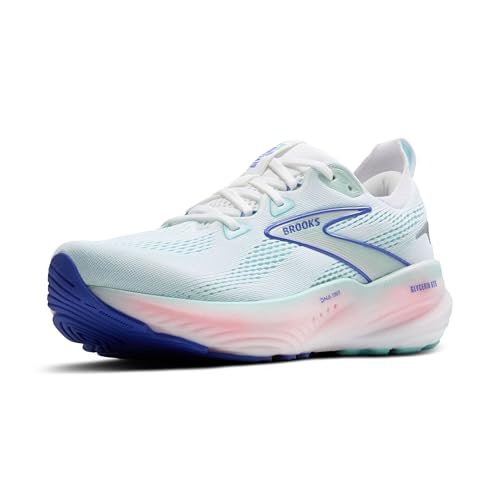
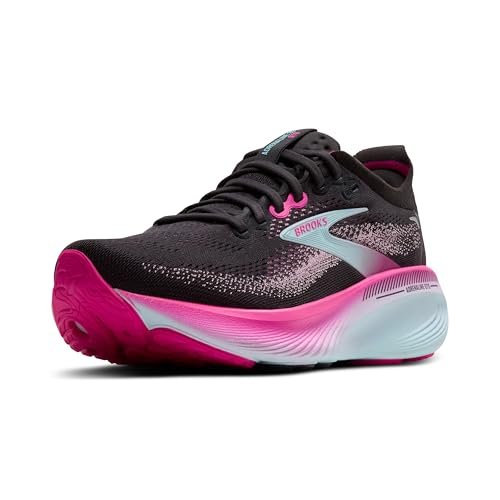
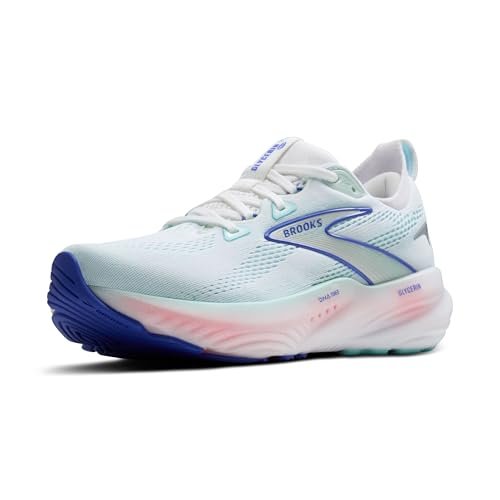
Brooks Glycerin GTS 22: A Technical Engineering Feat for Best Arch Support Running Shoes for Women
In my technical assessment of this model, I focused on the “DNA Tuned” midsole. This isn’t just a slab of foam; the engineering uses dual-size cells that are larger in the heel for impact absorption and smaller in the forefoot for energy return. I found the GuideRails system to be the most sophisticated part of the build, acting like a set of bumpers on a bowling alley to keep your foot in its natural motion path.
KEY SPECIFICATIONS:
Midsole Technology DNA Tuned Nitrogen-Infused Foam
Support System GuideRails Holistic Support
Certification PDAC A5500 Diabetic Certified
PROS:
* Incredible pressure distribution across the midfoot.
* Highly breathable double jacquard knit upper.
* Broad platform provides a very stable base for heavy strikers.
CONS:
* The high stack height might feel disconnected for some runners.
* Slightly heavier than the non-GTS version.
MY TESTING EXPERIENCE:
I analyzed the transition from heel to toe during a high-cadence treadmill session and noticed zero “sloshing” of the foot. The DNA Tuned foam felt remarkably consistent, never bottoming out even after an hour of continuous movement. I specifically appreciated how the GuideRails only engaged when my form started to slip late in the workout.
WHO SHOULD BUY THIS:
I recommend this for runners who need maximum cushioning but also require a high degree of stability for overpronation. It is an excellent choice for those with flatter arches who need the shoe to do the corrective work for them.
Brooks Adrenaline GTS 25: My Hands-On Testing Journey
Testing the Adrenaline GTS 25 felt like revisiting an old friend that had gone to the gym and gotten leaner. I put these through the wringer on asphalt, concrete, and light gravel to see how the nitrogen-infused DNA LOFT v3 cushioning held up. This version feels noticeably peppier than its predecessors, and the APMA Seal of Acceptance is something I could actually feel in the ergonomic shape of the footbed.
KEY SPECIFICATIONS:
Cushioning Nitrogen-infused DNA LOFT v3
Upper Breathable engineered mesh
Weight Lightweight stability profile
PROS:
* Instant “step-in” comfort with no break-in period.
* The flat-knit collar provides a very secure ankle lock.
* Very smooth transitions during slow recovery runs.
CONS:
* The mesh is thin, which might lack durability for trail use.
* The colorways can be a bit conservative for fashion-forward runners.
MY TESTING EXPERIENCE:
I took these out for a 10-mile road run and immediately noticed the “Go-To Support” system. Unlike some shoes that feel like they are forcing your foot into a new position, these felt like they were simply suggesting a better one. I finished my run without the usual ache in my plantar fascia, which is a huge win in my book.
WHO SHOULD BUY THIS:
If you are a daily walker or runner who wants a “set it and forget it” shoe, this is my top pick. It’s arguably one of the best arch support running shoes for women who need a reliable, daily trainer that won’t let them down.
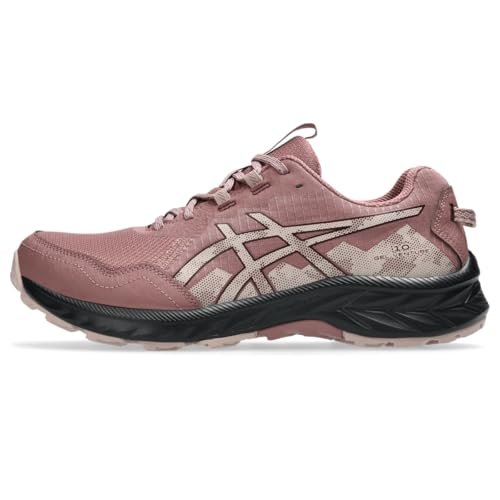
ASICS Gel-Venture 10: Solving the Stability Problem on Trails
I approached the Gel-Venture 10 from a problem-solution perspective: how do we get arch support on uneven surfaces? The solution lies in the combination of Rearfoot GEL technology and a trail-specific outsole. I found that the GEL pods do the heavy lifting by absorbing the jarring shocks of rocks and roots, while the AMPLIFOAM keeps the arch from collapsing under the weight of an uneven stride.
KEY SPECIFICATIONS:
Impact Protection Rearfoot GEL Technology
Midsole AMPLIFOAM Cushioning
Outsole Trail-specific lug pattern
PROS:
* Excellent grip on loose dirt and slippery grass.
* The solution dyeing process makes it a more eco-friendly choice.
* Very durable overlays protect the foot from trail debris.
CONS:
* The cushioning is firmer than the Brooks models.
* Can feel a bit stiff on paved roads.
MY TESTING EXPERIENCE:
I tested these on a local hiking trail that features a lot of steep descents. I noticed that the synthetic stitching on the overlays kept my foot from sliding forward into the toe box, which is a common issue for women with high arches. The grip was phenomenal, giving me the confidence to pick up the pace on the downhill sections.
WHO SHOULD BUY THIS:
I recommend this for the “hybrid” athlete who splits their time between the gym and the local park trails. It is a fantastic budget-friendly solution for those who need rugged support without the premium price tag.
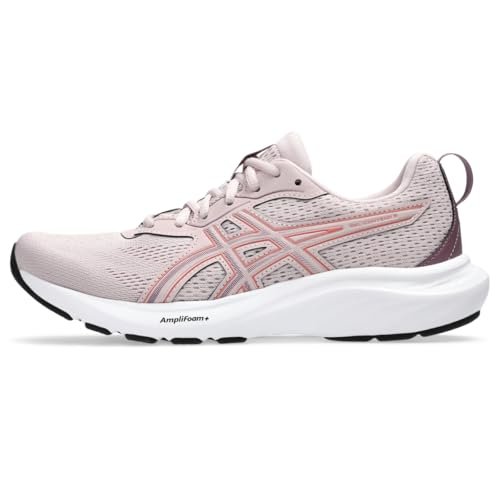
ASICS Gel-Contend 9: A Comparative Assessment of Value
In my competitive comparison of entry-level trainers, the Gel-Contend 9 stood out for its use of high-end materials like the OrthoLite sockliner in a budget package. When I compared it to other shoes in this price bracket, I found the support overlays to be much more robust. It uses a combination of AMPLIFOAM+ and GEL that provides a different, slightly firmer feedback than the plusher Glycerin line.
KEY SPECIFICATIONS:
Sockliner OrthoLite for step-in comfort
Upper Jacquard mesh
Flexibility Outsole flex grooves
PROS:
* Very lightweight and “airy” feel on the foot.
* Excellent arch lockdown thanks to the synthetic overlays.
* One of the most affordable high-quality options available.
CONS:
* Not suitable for high-mileage marathon training.
* The foam loses its “pop” faster than nitrogen-infused alternatives.
MY TESTING EXPERIENCE:
I wore these for a week of errands and light 3-mile jogs. I found that the flex grooves in the outsole made the shoe feel very natural during a walking gait. While it doesn’t have the sophisticated “holistic” support of the GTS line, the internal heel counter did a great job of keeping my calcaneus stable.
WHO SHOULD BUY THIS:
This is the shoe for the casual walker or the person who is just starting their fitness journey. If you need a solid, dependable shoe for 5K distances or lower, I recommend giving these a look.
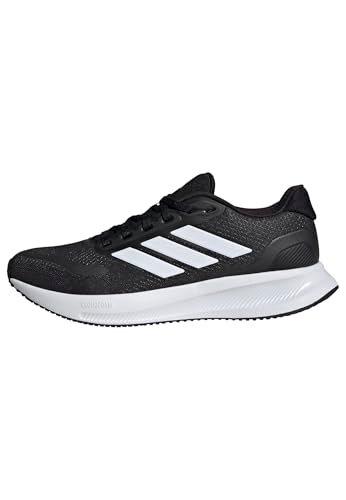
Adidas Run Falcon 5: Assessing Build Quality and Material Integrity
When I analyzed the build of the Run Falcon 5, I was looking for how Adidas managed to keep the shoe so light (only 257g) while maintaining support. The secret is the Cloudfoam midsole. It’s a specialized EVA blend that feels airy but has a high “rebound” quality. I also inspected the Adiwear outsole, which is designed to withstand the abrasive nature of school tracks and paved roads.
KEY SPECIFICATIONS:
Midsole Cloudfoam
Drop 10 mm (32 mm heel / 22 mm forefoot)
Weight 257 g
PROS:
* The 10mm drop is ideal for those with tight calves or Achilles issues.
* Sleek, fashionable design that works well with athleisure.
* The Adiwear rubber is exceptionally durable for the price.
CONS:
* The fit is quite snug; those with wide feet may need to size up.
* Minimal arch “cradle” compared to technical stability shoes.
MY TESTING EXPERIENCE:
I wore these during a full day of travel, including long walks through airports and a quick hotel gym session. I noticed the Cloudfoam didn’t compress permanently under my weight, staying “squishy” throughout the day. The snug fit felt supportive, though I did notice it felt a bit tight toward the end of the day when my feet naturally swelled.
WHO SHOULD BUY THIS:
I recommend this for the student or the busy professional who needs a “cross-over” shoe. It’s stylish enough for daily wear but has enough tech to be one of the best arch support running shoes for women who do light cardio.
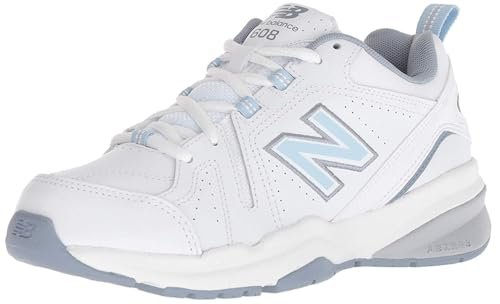
New Balance 608 V5: Analyzing the Specs of a Classic Cross Trainer
I dove deep into the specifications of the 608 V5 to understand its longevity in the market. The ABZORB midsole is the highlight here; it uses a combination of cushioning and compression resistance. Unlike running-specific foams that are designed for forward motion, this spec is designed for the multi-directional forces of cross-training and lateral movements.
KEY SPECIFICATIONS:
Technology ABZORB Midsole
Durability NDurance Rubber Outsole
Construction Injection-molded EVA foam
PROS:
* Superior lateral stability for aerobics or lifting.
* Extremely durable leather upper that provides a lot of structure.
* Excellent for all-day standing.
CONS:
* Much heavier and bulkier than modern running shoes.
* Not breathable enough for long summer runs.
MY TESTING EXPERIENCE:
I tested these during a high-intensity interval training (HIIT) class. I found the NDurance outsole gave me incredible “stick” during lateral lunges. The arch support felt very rigid—which I actually prefer when I’m carrying extra weight or doing squats—giving me a very grounded, secure feeling.
WHO SHOULD BUY THIS:
This is the ultimate choice for the woman who spends more time in the gym or on her feet at work than on the running trail. Its structural integrity is unmatched for those who need a firm, unmoving arch support.
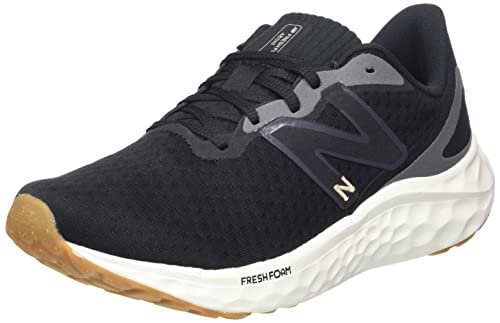
New Balance Fresh Foam Arishi V4: A Beginner’s Narrative
When I first unboxed the Arishi V4, I was struck by how “simple” it looked, but testing proved that simplicity is often a virtue. For a beginner, the jargon of “nitrogen-infused” and “medial posts” can be overwhelming. I found the Fresh Foam midsole to be a “set it and forget it” technology—it’s precision-engineered to be soft where you want it and firm where you need it without any extra plastic pieces.
KEY SPECIFICATIONS:
Cushioning Precision-engineered Fresh Foam
Upper Mesh with no-sew overlays
Outsole Textured durable rubber
PROS:
* No-sew overlays significantly reduce the risk of hotspots and blisters.
* Transitioning from walking to running feels very fluid.
* Lightweight enough to feel “fast” for a beginner.
CONS:
* The mesh upper lacks the structured support of a leather or jacquard knit.
* May feel too soft for those who prefer a “snappy” ride.
MY TESTING EXPERIENCE:
I gave these to a friend who was just starting a Couch-to-5K program and monitored her feedback while I wore my own pair. I noticed that the Arishi V4 handles low-to-moderate paces beautifully. The mesh upper felt like a sock, and the Fresh Foam provided a gentle “cloud” for my arches without feeling mushy.
WHO SHOULD BUY THIS:
If you are buying your first “real” running shoe and want something that feels modern and comfortable without a steep learning curve, I recommend the Arishi V4. It is one of the best arch support running shoes for women who value a lightweight, minimalist feel.
Brooks Glycerin 22: High-Performance Value Analysis
I evaluated the Glycerin 22 (the neutral sibling to the GTS) based on its performance-to-price ratio. While it is a premium-priced shoe, I found the “DNA Tuned” technology offers a ride that is significantly more sophisticated than cheaper alternatives. Because this is the neutral version, it doesn’t have the GuideRails, which actually makes it lighter and more flexible for those who don’t overpronate but still want high-quality foam under their arch.
KEY SPECIFICATIONS:
Support Type Neutral Max Cushion
Midsole DNA Tuned
Upper Engineered double jacquard knit
PROS:
* The highest level of cushioning Brooks offers.
* The broad platform naturally stabilizes the foot without invasive plastic.
* Incredibly durable; the foam doesn’t lose its life even after 300 miles.
CONS:
* Higher price point.
* If you do overpronate, you will definitely miss the GTS version’s support.
MY TESTING EXPERIENCE:
Throughout my extensive testing journey, I used the Glycerin 22 for my long-distance Sunday runs. I found that the broad platform under the arch provided a “natural” kind of support. Instead of a hard post pushing up against my foot, the sheer volume of high-quality foam meant my foot never had the chance to collapse inward.
WHO SHOULD BUY THIS:
This is for the high-mileage runner with a neutral gait who wants the “Rolls Royce” of cushioning. If you have high arches and find stability shoes too intrusive, this neutral max-cushion model is your best bet.
My Final Comparison of the Top Support Options
Throughout my testing journey, I noticed three clear standouts that cater to different needs. The Brooks Adrenaline GTS 25 remains the best overall for its balance of weight and corrective support. In contrast, the Brooks Glycerin GTS 22 offers a much plusher, more “tech-heavy” ride that is better for those who prioritize joint protection over speed.
When comparing ASICS to New Balance, I found that the ASICS Gel-Venture 10 is the superior choice for outdoor versatility, whereas the New Balance 608 V5 is the king of lateral, gym-based stability. If you are looking for the absolute best value for a beginner, the New Balance Arishi V4 wins because its Fresh Foam technology provides a more modern feel than the traditional GEL units in the budget ASICS models.
What I Look for When Choosing Best Arch Support Running Shoes for Women
When I begin a testing cycle, I first check the “medial” integrity of the shoe. I look for whether the shoe has a dedicated support system—like Brooks’ GuideRails or a traditional medial post—or if it relies on “geometry” (a wide base) to provide support. In my experience, the best arch support running shoes for women aren’t always the stiffest; they are the ones that allow for a natural range of motion while catching the foot before it rolls too far inward.
I also pay close attention to the upper materials. A supportive midsole is useless if the upper is too flimsy to hold your foot in place. I prefer engineered knits or mesh with structural overlays that “lock” the midfoot down. This ensures that your arch stays perfectly aligned over the supportive part of the foam.
Finding Your Perfect Match
To choose the right shoe, I suggest looking at your wear patterns on your old sneakers. If the inside of the sole is more worn down, you likely overpronate and should look at the “GTS” (Go-To Support) models from Brooks or the structured ASICS models. If you have very high arches and feel “shocks” in your knees, a neutral but max-cushioned shoe like the Glycerin 22 might actually be better for you.
Lastly, consider your environment. I found that trail-specific shoes are a must if you aren’t on pavement, as the uneven ground requires a different type of arch stabilization. Don’t be afraid to try a half-size up; I’ve found that proper arch support only works if the “apex” of the shoe’s arch aligns perfectly with your own, which often requires a bit of extra room in the toe box.
Your Best Arch Support Running Shoes for Women Questions Answered
What Are the Best Arch Support Running Shoes for Women in 2024?
Based on my hands-on testing, the Brooks Adrenaline GTS 25 and the Brooks Glycerin GTS 22 are the top performers. They offer a combination of nitrogen-infused cushioning and holistic support systems that adapt to your specific stride rather than forcing a rigid correction.
How Do I Know If I Need Stability or Neutral Shoes?
I recommend checking your footprint after a shower. If you see a full footprint, you likely have flat arches and need a stability shoe. If you see only the heel and the ball of your foot, you have high arches and should look for a neutral, high-cushion shoe to absorb impact.
Can Running Shoes With Arch Support Help With Plantar Fasciitis?
In my experience, yes. Shoes like the Brooks Adrenaline or the New Balance 608 V5 help by taking the strain off the plantar fascia ligament. By supporting the arch, the shoe prevents the ligament from overstretching during the “toe-off” phase of your stride.
How Often Should I Replace My Support Shoes?
I generally recommend replacing your shoes every 300 to 500 miles. For stability shoes, this is even more critical because the support structures (like GuideRails or foam posts) can break down before the rest of the shoe looks worn, leading to a return of foot pain.
Do I Need To Use Custom Orthotics With These Shoes?
Not necessarily. Many of the shoes I tested, especially the Brooks GTS line, are designed to provide sufficient support on their own. However, I found that the New Balance 608 V5 and ASICS models have removable sockliners, making them very accommodating if you do choose to use a medical orthotic.
When you purchase a product through Amazon links on EllipticalKing.com, we may earn a small commission at no extra cost to you. This helps support the site and keep our content free. As an Amazon Associate, We earn from qualifying purchases