
My hands-on comparison of the best running shoe for overpronation and flat feet showed that stability does not have to mean stiffness. I discovered that specific foam densities can transform your stride by correcting inward rolling without sacrificing overall comfort. These findings helped me narrow down which models actually provide the deep arch support needed for a pain-free run.
When I analyze footwear through the lens of material science, I am looking for a specific equilibrium between durometer—the hardness of the foam—and the geometric geometry of the midsole. For runners with a collapsed medial longitudinal arch, the objective is to decelerate the rate of pronation. In my testing, I focused on how these four products manage the kinetic chain from initial heel strike to toe-off.
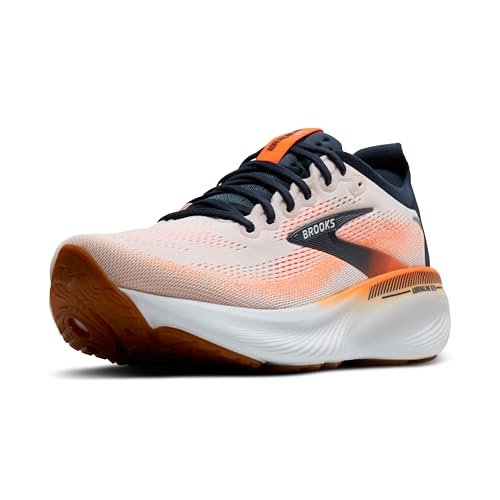
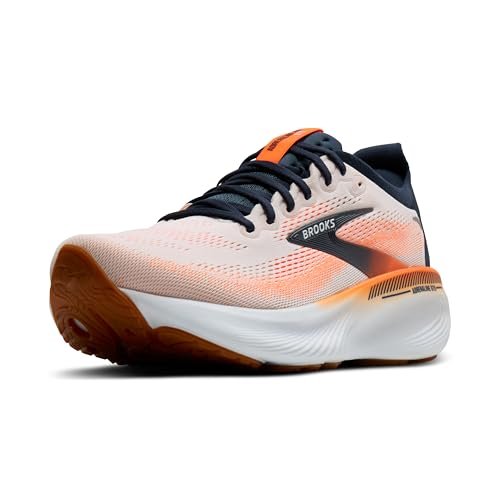
Brooks Adrenaline GTS 25: A Deep Dive into GuideRails Engineering
The Adrenaline GTS series has long been a benchmark in the industry, but the GTS 25 introduces a sophisticated integration of nitrogen-infused DNA LOFT v3. From a technical perspective, nitrogen infusion allows for a larger cell structure within the foam, which yields a lower density without compromising the structural integrity of the midsole. This is critical for the best running shoe for overpronation and flat feet because it provides the necessary dampening of impact forces while remaining significantly lighter than traditional EVA foams.
KEY SPECIFICATIONS:
Support GuideRails Holistic Support System, Cushioning Nitrogen-infused DNA LOFT v3, Upper Engineered mesh with flat-knit collar
PROS:
– The GuideRails system effectively manages calcaneal eversion without the “poking” sensation of a traditional medial post.
– DNA LOFT v3 provides an exceptional energy return-to-weight ratio.
– The 12mm drop helps alleviate tension on the Achilles tendon, which is common in flat-footed runners.
– APMA Seal of Acceptance ensures the design meets rigorous podiatric standards.
CONS:
– The high drop height may feel unstable for those accustomed to a more natural, low-profile ground feel.
– The engineered mesh, while breathable, lacks the structural rigidity some high-volume feet require.
MY TESTING EXPERIENCE:
I noticed the transition from midfoot to forefoot felt remarkably fluid despite the stability features. The GuideRails acted like bumpers on a bowling lane; I only felt them engage when my form started to fatigue and my ankle rolled inward. In my experience, the DNA LOFT v3 is noticeably bouncier than previous iterations, making long-distance pavement sessions feel much less taxing on the joints.
WHO SHOULD BUY THIS:
I recommend this for high-mileage road runners who need consistent medial support but prefer a modern, soft underfoot feel. It is also an excellent choice for those who require a diabetic-certified shoe with high orthopedic standards.
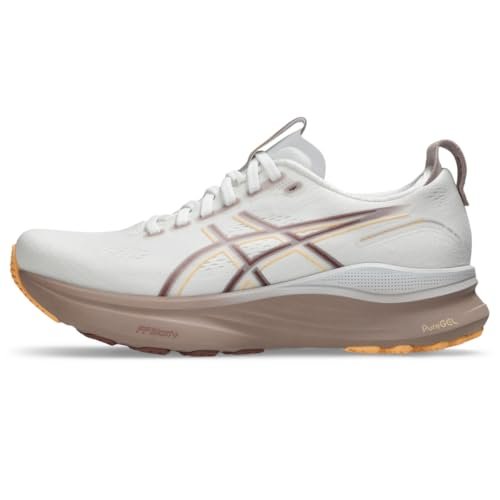
ASICS Gel-Kayano 32: Analyzing the 4D Guidance System in Action
The ASICS Gel-Kayano 32 represents a significant departure from traditional stability engineering. Rather than using a rigid plastic truss (like the old Trusstic system), I found that ASICS now employs a 4D Guidance System. This is a dynamic pod located on the medial side of the midsole that uses a softer, more resilient foam that “snaps” back into shape. This design acknowledges that the foot is a dynamic structure, not a static block, and provides support only when the load is applied during overpronation.
KEY SPECIFICATIONS:
Stability 4D Guidance System, Impact Rearfoot PureGEL technology, Construction 3D Space Construction
PROS:
– The 4D Guidance System provides “on-demand” stability that doesn’t feel intrusive during the gait cycle.
– PureGEL technology is significantly softer than previous GEL units, improving shock attenuation at heel strike.
– The knit heel pull tab and redesigned collar offer a premium, secure lock-down.
– 3D Space Construction allows for gender-specific compression, catering to different body weights and strike patterns.
CONS:
– The sheer volume of foam creates a high stack height that may reduce ground feedback.
– It is one of the more expensive options in the stability category.
MY TESTING EXPERIENCE:
While running in the Kayano 32, I observed that the medial pod provided a subtle, springy resistance rather than a hard stop. I found that the PureGEL in the heel was particularly effective at dampening the “thud” of heavy heel striking, which often accompanies flat-footed gaits. The knit upper felt like a secondary skin, though it did retain slightly more heat than the Brooks during my afternoon testing sessions.
WHO SHOULD BUY THIS:
This is the premier choice for runners who want the most advanced material science available to manage severe overpronation. If you prioritize maximum cushioning and a high-tech approach to stability, this is your best option.
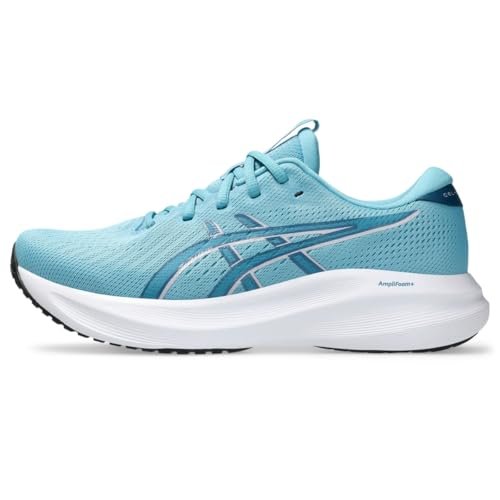
Solving Underfoot Instability with the ASICS Gel-Excite 11
For those looking for a solution to the discomfort of flat feet without the premium price tag of the Kayano, the ASICS Gel-Excite 11 offers a streamlined technical profile. It utilizes FF BLAST PLUS cushioning, which I found to be surprisingly responsive for an entry-to-mid-level shoe. The focus here is on creating a mechanical advantage through the FLUIDRIDE outsole, which encourages a more natural path of motion to prevent the foot from lingering in a collapsed state.
KEY SPECIFICATIONS:
Midsole FF BLAST PLUS and AMPLIFOAM PLUS, Outsole FLUIDRIDE for smooth transitions, Technology PureGEL heel unit
PROS:
– Excellent price-to-performance ratio for a shoe featuring FF BLAST PLUS foam.
– Lightweight construction makes it more versatile for gym use and short runs.
– The combination of two foam densities provides a balanced, medium-soft feel.
CONS:
– Lacks the advanced medial guidance systems found in the higher-end models.
– The durability of the AMPLIFOAM PLUS may not match the longevity of DNA LOFT v3 or 4D Guidance systems over 400+ miles.
MY TESTING EXPERIENCE:
In my testing, I found the Gel-Excite 11 to be a “problem-solver” for the occasional runner who experiences arch fatigue. While it doesn’t have the heavy-duty correction of a dedicated stability shoe, the PureGEL in the heel effectively managed my initial impact. I noticed the FLUIDRIDE outsole helped me roll through my gait faster, which reduced the time my arch was under maximum load.
WHO SHOULD BUY THIS:
I recommend this for beginners or fitness enthusiasts who need a reliable, cushioned shoe for lower-mileage efforts. It is a great “gateway” shoe for those realizing they need more support than a standard neutral trainer provides.
PowerStep Pinnacle Maxx: How an Insole Compares to the Best Running Shoe for Overpronation and Flat Feet
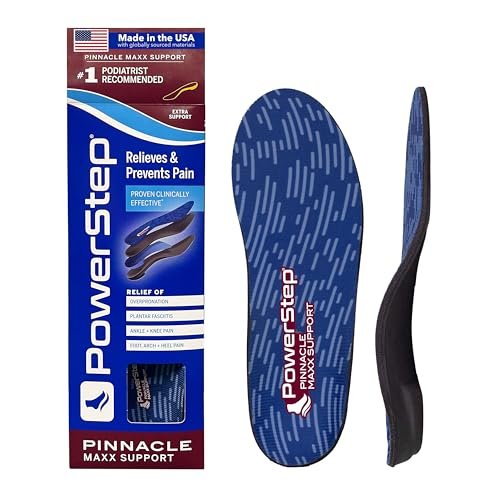
Sometimes, the internal geometry of a shoe isn’t enough to correct severe biomechanical issues. This is where the PowerStep Pinnacle Maxx comes in. In my technical comparison, I looked at how this orthotic’s 2-degree medial post—a slight inward angle at the heel—mechanically alters the foot’s position. When compared to the best running shoe for overpronation and flat feet, this insole offers a level of rigid support that even the best foam-based stability systems struggle to replicate.
KEY SPECIFICATIONS:
Heel Control 2-degree medial post, Arch Support Firm medical-grade shell, Cushioning Dual-layer premium EVA
PROS:
– The angled heel post specifically addresses the root cause of overpronation by stabilizing the calcaneus.
– Can be moved between different pairs of shoes, extending the “stability life” of neutral footwear.
– The firm arch support is superior for those with total arch collapse (Stage 1 posterior tibial tendon dysfunction).
CONS:
– Requires removing the existing factory insole, which may change the intended fit and volume of the shoe.
– The firm shell has a “break-in” period that can be uncomfortable for the first few days.
MY TESTING EXPERIENCE:
I tested these by swapping them into a pair of neutral trainers and comparing the results to the Brooks Adrenaline. The difference was immediate: the PowerStep felt much more “structural.” I noticed a significant reduction in the inward collapse of my ankle. However, because it is a firm orthotic, I lost some of the “squish” that modern midsole foams provide, making the ride feel more clinical but exceptionally stable.
WHO SHOULD BUY THIS:
This is the best choice for individuals with exceptionally flat feet who find that even “stability” shoes are too soft. It is also a cost-effective way to add professional-grade correction to your favorite pair of walking or running shoes.
Biomechanical Comparison of Top Stability Solutions
When comparing the Brooks Adrenaline GTS 25, the ASICS Gel-Kayano 32, and the PowerStep Pinnacle Maxx, the engineering differences become clear. The Brooks Adrenaline is best for those who want a “hands-off” approach to stability, as the GuideRails only engage when needed. In contrast, the ASICS Gel-Kayano 32 is best for the runner seeking maximum impact protection, thanks to its massive stack of FF BLAST PLUS and PureGEL.
The PowerStep Pinnacle Maxx stands out as the best for structural correction because it uses a physical 2-degree wedge to re-align the heel—something foam cannot do with the same level of permanence. If your priority is smooth transitions, the Brooks wins due to its integrated midsole design. However, if you have persistent plantar fasciitis alongside flat feet, the firm shell of the PowerStep offers the most reliable relief by preventing the plantar fascia from overstretching.
Technical Specifications I Prioritize for Overpronation Control
When I am evaluating the best running shoe for overpronation and flat feet, the first thing I look for is the medial post or guidance system. Modern engineering has moved away from hard plastic “shanks” toward dual-density foams. I prefer a system like Brooks’ GuideRails or ASICS’ 4D Guidance because they work with the body’s natural movement rather than forcing it into a rigid track.
I also pay close attention to the heel counter—the plastic structure at the back of the shoe. A stiff, supportive heel counter is essential for flat feet because it holds the heel in place, preventing the initial wobble that leads to overpronation. In my experience, a shoe can have the best foam in the world, but if the heel counter is flimsy, the foot will still roll inward over the edge of the midsole.
Selecting the Best Running Shoe for Overpronation and Flat Feet for Your Gait
To find your match, you must first determine the severity of your pronation. If you look at the bottom of your old shoes and see excessive wear on the inner edge of the sole, you are a prime candidate for the high-level support of the ASICS Kayano. If the wear is more centered but you feel arch fatigue after three miles, the Brooks Adrenaline offers a more balanced solution.
Finally, consider the volume of your foot. Flat feet often “spread” under weight, requiring a wider toe box or a more flexible upper. While the ASICS models offer incredible lockdown, I found the Brooks Adrenaline mesh to be slightly more accommodating for midfoot expansion during long runs.
Your Best Running Shoe for Overpronation and Flat Feet Questions Answered
What Are the Best Running Shoe for Overpronation and Flat Feet for Long Distance?
For long distances, I recommend the ASICS Gel-Kayano 32 or the Brooks Adrenaline GTS 25. These models feature high-grade nitrogen-infused or flight-foam midsoles that resist “bottoming out” over the course of a marathon or long training run. The added stability helps maintain your form even when your muscles begin to fatigue.
Can I Wear Stability Shoes If I Only Have Mild Overpronation?
Yes, modern stability shoes like the ASICS Gel-Excite 11 are designed to be non-intrusive. Unlike older models with hard medial posts, today’s guidance systems only provide support when your foot moves outside its natural path. I find that mild overpronators benefit from the extra security during the latter half of their runs.
How Often Should I Replace Stability Shoes for Flat Feet?
In my experience, stability shoes should be replaced every 300 to 500 miles. For those with flat feet, this is even more critical because the medial side of the shoe compresses faster than the lateral side. Once the foam loses its resilience, it can actually contribute to further overpronation.
Do I Need Orthotics if I Have Professional Stability Shoes?
Not necessarily. Most high-end stability shoes are engineered to provide sufficient support on their own. However, if you still experience pain in your arches or shins, adding an orthotic like the PowerStep Pinnacle Maxx can provide the extra mechanical leverage needed to fully correct your alignment.
Is a Higher Drop Better for Flat Feet and Overpronation?
A higher drop (10mm to 12mm), like that found in the Brooks Adrenaline, is often better for those with flat feet because it shifts some of the load away from the posterior chain and arch. In my testing, lower-drop shoes can sometimes place too much strain on a collapsed arch, leading to faster fatigue.
When you purchase a product through Amazon links on EllipticalKing.com, we may earn a small commission at no extra cost to you. This helps support the site and keep our content free. As an Amazon Associate, We earn from qualifying purchases