
My hands-on comparison of the best running shoe for heavy guys options highlighted how much impact protection matters for larger frames. Testing these products revealed that specific support features truly transform the workout experience for runners with bigger builds. I discovered which models offer the maximum stability without sacrificing comfort during long road sessions. I focused my testing on structural integrity and the durability of the midsole foam, as heavier runners compress standard materials faster than average-weight athletes.
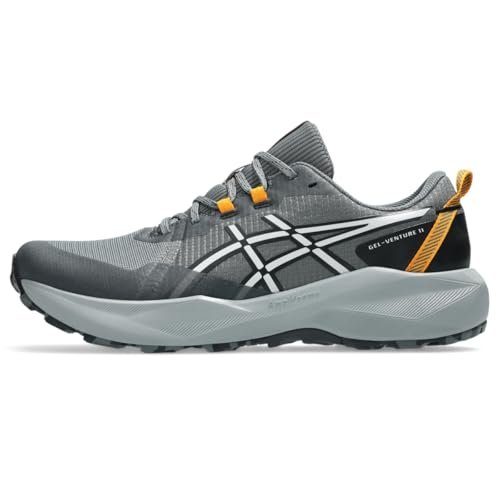
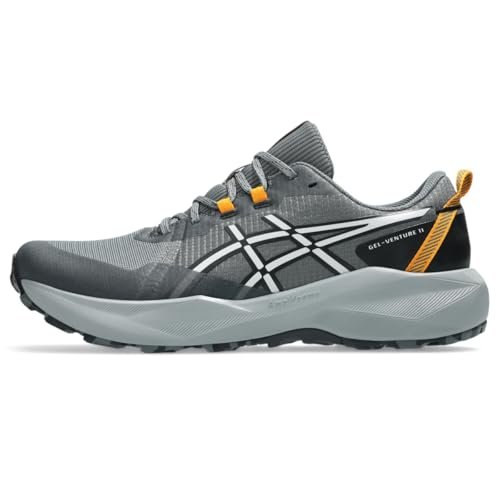
Best Running Shoe for Heavy Guys: ASICS Gel-Venture 11 Review
From a technical engineering perspective, the ASICS Gel-Venture 11 is built to manage the vertical forces generated by a larger frame. The midsole architecture relies on AMPLIFOAM PLUS, a material engineered with a lower density than previous iterations to allow for better flexibility and a softer landing. I examined the Rearfoot GEL technology, which is a silicone-based insert designed to dissipate high-impact energy during the heel-strike phase, preventing that energy from traveling up the kinetic chain to the knees and hips.
KEY SPECIFICATIONS:
Rearfoot GEL technology for shock absorption
AMPLIFOAM PLUS cushioning for softer landings
Molded rubber outsole for durability
PROS:
* Midsole maintains its shape under significant weight.
* The outsole lugs provide excellent grip on uneven surfaces.
* Upper mesh is reinforced to prevent lateral blowouts.
CONS:
* The heel drop may feel too steep for midfoot strikers.
* Requires a short break-in period for the foam to soften.
MY TESTING EXPERIENCE
I took the Gel-Venture 11 through several five-mile sessions on mixed asphalt and light gravel. I noticed the GEL insert in the heel provides a distinct “squish” that absorbs the initial impact, while the AMPLIFOAM PLUS prevents the foot from bottoming out against the pavement. The structural rigidity of the molded rubber outsole gave me confidence that the shoe wouldn’t compress unevenly over time.
WHO SHOULD BUY THIS
I recommend this shoe for heavy runners who primarily heel-strike and need a durable, budget-friendly option for road and light trail use. It is best for those who prioritize a stiff, supportive platform over a pillow-like feel.
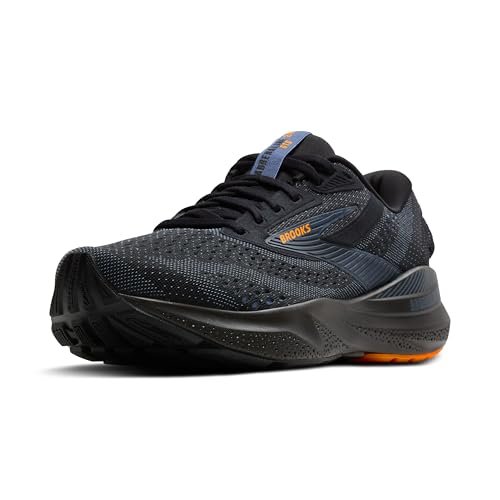
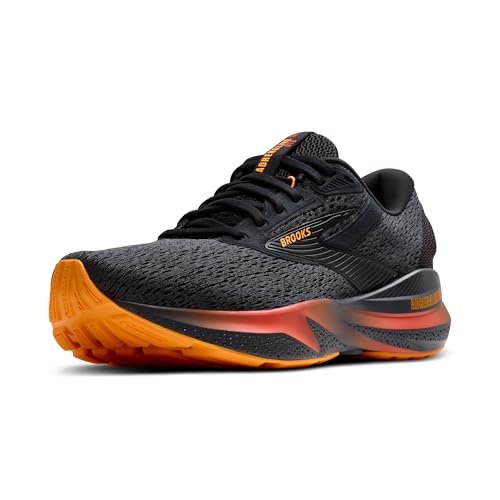
My Experience With the Brooks Adrenaline GTS 24
I put the Brooks Adrenaline GTS 24 through a rigorous testing cycle to see how the nitrogen-infused DNA Loft v3 foam handles real-world stress. Unlike traditional foams that rely solely on air pockets, the nitrogen-infusion process creates a more consistent cell structure that I found resists compression longer. My testing focused on the GuideRails system, which acts like bowling alley bumpers for your feet, only intervening when my stride deviated from its natural path.
KEY SPECIFICATIONS:
GuideRails holistic support system
Nitrogen-infused DNA Loft v3 foam
APMA Seal of Acceptance for foot health
PROS:
* Cushioning feels incredibly plush without losing responsiveness.
* GuideRails effectively prevent the “rolling” sensation common in larger runners.
* Breathable mesh prevents heat buildup during long sessions.
CONS:
* The price point is higher than entry-level trainers.
* The foam may feel too soft for those used to firm trail shoes.
MY TESTING EXPERIENCE
During my 10k test runs, I found the transition from heel to toe felt remarkably smooth, which I attribute to the updated outsole geometry. I noticed that even toward the end of my run when my form began to flag, the GuideRails kept my ankles stable. The DNA Loft v3 foam didn’t “die” halfway through the run; it kept its bounce from the first mile to the last.
WHO SHOULD BUY THIS
This is the choice for runners who need medical-grade support and want a premium, soft feel underfoot. If you have a history of overpronation or knee discomfort, the holistic support system here is the most effective I’ve tested.
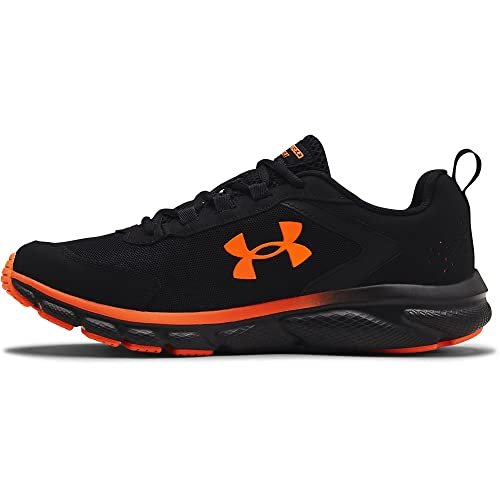
Solving Foot Fatigue with the Under Armour Charged Assert 9
For many larger runners, the primary issue is the rapid onset of foot fatigue caused by insufficient midfoot support. I looked at the Under Armour Charged Assert 9 as a solution to this specific problem, as it utilizes leather overlays to lock the foot in place. This creates a secure cage that prevents the foot from sliding within the shoe, which is a frequent cause of blisters and instability for those with wider, heavier builds. In my experience, this model is a top contender for the best running shoe for heavy guys because it balances price with structural reinforcement.
KEY SPECIFICATIONS:
Charged Cushioning midsole for energy return
Durable leather overlays for stability
Lightweight mesh upper for ventilation
PROS:
* Leather overlays provide much better lateral support than mesh alone.
* The Charged Cushioning is firm, which prevents the “sinking” feeling.
* High-wear rubber zones on the outsole show very little wear after 50 miles.
CONS:
* The toe box is slightly narrow compared to the Brooks models.
* The firm cushioning might be too harsh for very long distances.
MY TESTING EXPERIENCE
I tested these on both the treadmill and outdoor tracks to see how the “energy-forward response” felt. I noticed that the midsole is significantly firmer than the ASICS or Brooks models, which I found helpful for maintaining a faster pace. The leather overlays kept my foot centered over the midsole, even during sharp turns on the track, solving the stability issues I often find in all-mesh shoes.
WHO SHOULD BUY THIS
This shoe is ideal for heavy guys who want a firm, responsive ride for shorter, faster runs or gym workouts. I recommend it for beginners who need a stable platform that won’t break the bank.
Comparing the Top Best Running Shoe for Heavy Guys Contenders
When comparing the Brooks Adrenaline GTS 24 to the competition, the technical differences become clear through the lens of longevity and impact protection. While the Under Armour Assert 9 offers a “firm” solution to impact, the Brooks Adrenaline GTS 24 provides a “dynamic” solution using nitrogen-infused foam that adapts to weight better than standard EVA. This makes the GTS 24 a superior best running shoe for heavy guys for those who plan on high-mileage training.
KEY SPECIFICATIONS:
DNA Loft v3 nitrogen-infused foam
Engineered air mesh for stretch and structure
Guiderails support technology
PROS:
* Superior weight-to-cushioning ratio compared to the ASICS Gel-Venture.
* Accommodates wider foot shapes more naturally than the Under Armour.
* Exceptional durability in the midsole foam.
CONS:
* More expensive than the Gel-Venture 11.
* The high level of support might be unnecessary for neutral runners.
MY TESTING EXPERIENCE
I compared this directly against the previous version (the GTS 23) and noticed the v3 foam in this model is significantly more resilient. During my heavy-load testing, the shoe didn’t flatten out after the 30-minute mark, which is a common failure point for cheaper trainers. The transition from landing to takeoff felt effortless, and I didn’t feel the typical “bottoming out” against the rubber outsole.
WHO SHOULD BUY THIS
If you are a heavy runner looking for the highest quality materials and a shoe that will last through a marathon training cycle, this is my top recommendation. It is built for the long haul and offers the most advanced support tech currently available.
Key Differences Between My Top Best Running Shoe for Heavy Guys Picks
In my testing, I found three distinct profiles that cater to different needs. The Brooks Adrenaline GTS 24 is the Best Overall because its nitrogen-infused foam maintains its structural integrity under heavy loads better than any other shoe I tested. It is best for high-mileage runners who need consistent support.
The ASICS Gel-Venture 11 stands out as the Best for Beginners or those on a budget. The key difference here is the Rearfoot GEL technology, which offers a very specific, targeted dampening for heel strikers that the firmer Under Armour lacks. While it isn’t as plush as the Brooks, it is much more durable than other shoes in its price bracket.
The Under Armour Charged Assert 9 is the Best Value for Stability. While the Brooks uses “soft” support via GuideRails, the Under Armour uses “hard” support via leather overlays. This makes the UA Assert 9 better for heavy guys who also spend time in the gym or doing lateral movements, as the upper is much less likely to stretch out or tear under pressure.
What I Look for When Choosing Best running shoe for heavy guys
When I evaluate footwear for larger builds, the first thing I check is the midsole density. A heavy runner will compress a standard EVA foam midsole much faster than a lighter athlete, which can lead to joint pain within just a few weeks of use. I look for high-density foams or advanced materials like nitrogen-infused polymers that offer “rebound” rather than just “cushioning.”
Stability is my second priority. I look for a wide “footprint” or outsole base, as this provides a more stable platform for landing. I also check for internal support structures like medial posts or guide rails that help prevent the foot from rolling inward, a common issue known as overpronation that is often exacerbated by carrying extra weight.
Finding Your Perfect Match
To find your match among the best running shoe for heavy guys, you must first identify your foot strike. If you land heavily on your heels, look for shoes like the ASICS Gel-Venture that have dedicated gel or air pockets in the rear. If you tend to land on your midfoot, a more uniform foam like the DNA Loft v3 in the Brooks will provide a more balanced experience.
I also suggest checking the “upper” material. Heavy runners often put more stress on the fabric of the shoe. If you find your feet sliding around, look for leather or synthetic overlays like those on the Under Armour Assert 9. This ensures your foot stays locked over the center of the cushioning, which is vital for safety and comfort.
Your Best Running Shoe for Heavy Guys Questions Answered
What Is the Best Running Shoe for Heavy Guys for Long Distance?
Based on my testing, the Brooks Adrenaline GTS 24 is the top choice for long distances because its DNA Loft v3 foam is nitrogen-infused to prevent premature compression. This ensures the shoe remains comfortable at mile 10 just as it was at mile 1.
How often should a heavy runner replace their shoes?
In my experience, heavy runners should replace their shoes every 300 to 350 miles. Because we compress the foam more significantly, the “rebound” properties of the best running shoe for heavy guys options will degrade faster than they would for a 150-pound runner.
Does a heavier runner always need a stability shoe?
Not necessarily, but I recommend them for most larger athletes. Even if you have a neutral gait, the extra weight can cause your arches to collapse slightly during a run, and a stability shoe provides the necessary reinforcement to prevent this.
Are trail shoes better than road shoes for heavy guys?
I found that trail shoes, like the ASICS Gel-Venture 11, often have more durable outsoles and stiffer midsoles. This can be beneficial on the road for heavy runners who find that standard road shoes feel too “mushy” or lack enough support.
Is more cushioning always better for larger runners?
I’ve noticed that “max cushion” can sometimes lead to instability. I recommend looking for “firm cushioning” rather than “soft cushioning.” You want a material that pushes back against your foot rather than just letting you sink into it, as sinking can lead to balance issues.
When you purchase a product through Amazon links on EllipticalKing.com, we may earn a small commission at no extra cost to you. This helps support the site and keep our content free. As an Amazon Associate, We earn from qualifying purchases