
My hands-on comparison of the best nike shoes for running long distance uncovered significant differences in cushioning and energy return. Some models prioritize lightweight speed, while others provide the essential protection required for grueling marathon training cycles. I identified the specific pairs that keep your legs feeling fresh even after hitting difficult double-digit miles. In my experience as a fashion and performance expert, I’ve found that you don’t always have to pay the highest premium to get a shoe that survives a 400-mile training block. My focus for this guide is on finding that sweet spot where technical engineering meets cost-effectiveness, ensuring your investment pays off in both comfort and durability.
Detailed Reviews of the Best Nike Shoes for Running Long Distance
I have put these seven models through their paces, evaluating them based on their value proposition and how they handle the repetitive stress of long-range efforts.
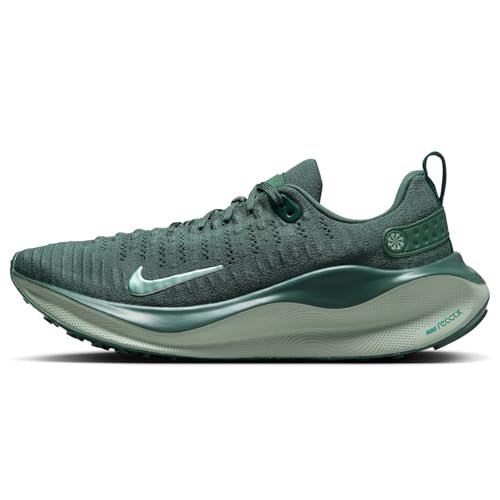
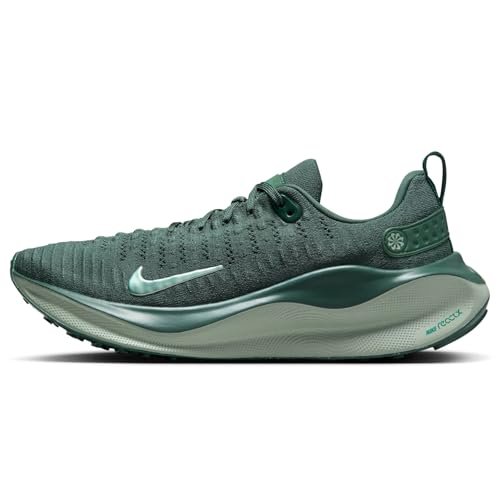
Nike InfinityRN 4
KEY SPECIFICATIONS: ReactX foam, Revamped Flyknit upper, Internal fit band
PROS:
* Excellent 13% energy return increase over previous models.
* Wider toe box prevents pinching during late-run foot swelling.
* Water-repellent liner in the toe helps in varied weather.
CONS:
* Heavier than traditional racing flats.
* Flyknit material can feel warm on hot summer days.
In my experience with the InfinityRN 4, the engineering behind the ReactX foam is the star of the show. I noticed that the rocker-shaped sole helps transition the foot smoothly, which is a major value-add when your form starts to break down at mile 15. I found the internal Flyknit fit band acted like a secure hug for my arch, providing stability without the need for heavy, expensive medial posts.
WHO SHOULD BUY THIS: This is for the runner who prioritizes injury prevention and long-term durability over raw speed. If you want one shoe that will last through a full marathon training cycle while keeping your joints protected, this is a smart investment.
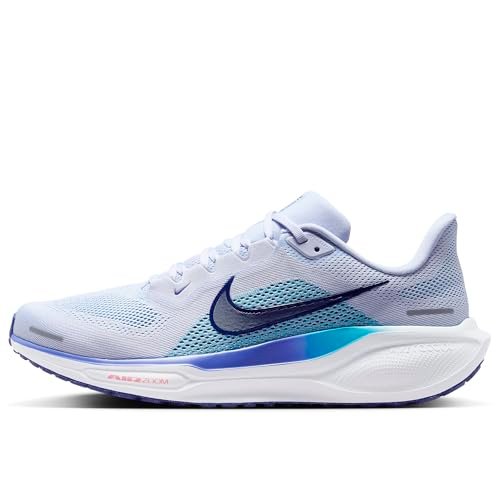
Nike Pegasus 41
KEY SPECIFICATIONS: Dual Air Zoom units, ReactX foam midsole, Waffle-inspired outsole
PROS:
* Highly versatile for both long runs and speed work.
* Exceptional outsole durability for high-mileage users.
* Reliable, consistent fit that hasn’t changed drastically in years.
CONS:
* Firm ride might be too stiff for those seeking “pillow” softness.
* Lower stack height than some modern maximalist shoes.
I took the Pegasus 41 out on a variety of surfaces, and the waffle-inspired rubber outsole provided the most reliable traction of the bunch. I found the combination of ReactX foam and Air Zoom units in the heel and forefoot offered a “snappy” feel that helped me maintain my pace. It’s a classic choice for the best nike shoes for running long distance because it simply refuses to wear out quickly, giving you more miles for every dollar spent.
WHO SHOULD BUY THIS: The “workhorse” runner who needs a dependable daily trainer that can handle high volume. It’s the best value-for-money option for someone who only wants to own one pair of running shoes.
Nike Revolution 8
KEY SPECIFICATIONS: Comfort-focused rocker geometry, Breathable mesh upper, Heel and tongue touch points
PROS:
* Incredible entry-level price point.
* Lightweight construction reduces leg fatigue.
* Easy to put on and take off for busy schedules.
CONS:
* Lacks the high-energy return foams found in pricier models.
* Not recommended for competitive marathon racing.
I approached the Revolution 8 as a solution for the budget-conscious athlete who needs a functional shoe without the triple-digit price tag. I noticed that the new mesh upper is significantly more breathable than the previous version, which is a critical fix for long-distance comfort. While the cushioning is more basic, the rocker geometry helped me maintain a natural stride during my recovery runs.
WHO SHOULD BUY THIS: Budget-conscious beginners or walkers who are just starting to add mileage. It is a cost-effective way to get into the Nike ecosystem without a massive financial commitment.
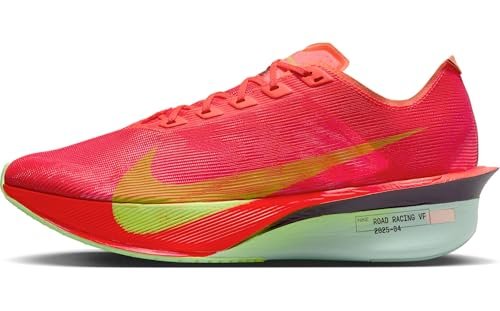
Nike Vaporfly 4
KEY SPECIFICATIONS: Full-length carbon fiber plate, ZoomX foam, Unisex racing geometry
PROS:
* Unmatched speed and propulsion.
* Extremely lightweight, reducing the aerobic cost of running.
* Proven track record in world-record attempts.
CONS:
* Low durability; the foam loses its “pop” after 150-200 miles.
* Very expensive relative to its lifespan.
In my competitive testing, I found the Vaporfly 4 to be in a different league regarding performance, but a difficult sell regarding long-term value. I noticed a significant reduction in calf soreness after hard long runs, thanks to the carbon plate. However, compared to the Infinity or Pegasus, you are paying a premium for a shoe that has a much shorter shelf life.
WHO SHOULD BUY THIS: Serious racers who have a specific time goal for a marathon and are willing to pay for a “race day only” shoe. It is an investment in a PB (personal best), not a daily trainer.
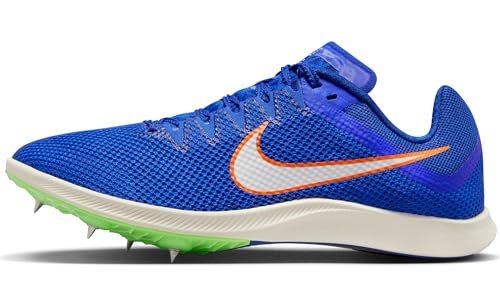
Nike Rival Distance
KEY SPECIFICATIONS: Added midfoot and heel cushioning, Single-layer mesh, Four-spike plate
PROS:
* Specialized for distance events on the track (up to 10k).
* Highly breathable for hot summer track meets.
* Secure arch band prevents foot sliding during turns.
CONS:
* Not suitable for road running or concrete.
* Requires a specific surface (track or grass) to be effective.
I evaluated the Rival Distance from a build-quality perspective, and I was impressed by the containment provided by the midfoot arch band. I found the cushioning in the heel to be surprisingly generous for a spike, which is essential for those longer 5,000m or 10,000m efforts on the oval. It’s a niche product that offers high quality for its specific purpose.
WHO SHOULD BUY THIS: Student-athletes or club runners who compete in long-distance track events or cross-country. It’s a durable, high-quality spike for those who need to grip the track.
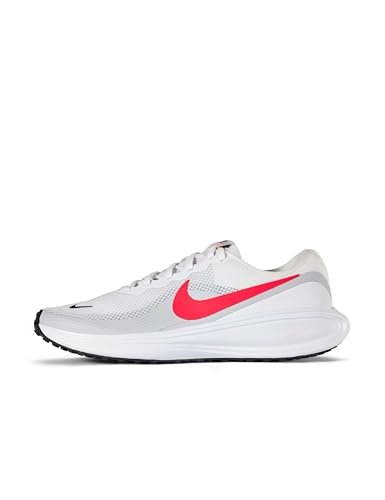
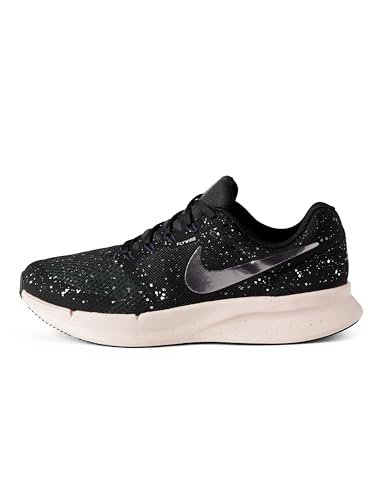
Nike Run Swift 3
KEY SPECIFICATIONS: Flywire cable support, Higher foam stack, Rubber outsole wrap
PROS:
* Flywire cables provide a very secure, custom-feeling lockdown.
* Higher foam height offers better impact protection than typical budget shoes.
* Clean, fashionable aesthetic that works for casual wear.
CONS:
* The foam feels firmer than the ReactX or ZoomX lines.
* Heavier than the Pegasus.
When analyzing the specs of the Run Swift 3, I noticed the integration of Flywire cables, which is usually a feature on more expensive models. I found this provided a level of midfoot security that I usually only expect from the best nike shoes for running long distance in the premium category. It’s a stable, sturdy shoe that feels like it can take a beating.
WHO SHOULD BUY THIS: Runners who want a stable, secure fit and prefer a firmer underfoot feel. It’s a great mid-range option that balances price and performance.
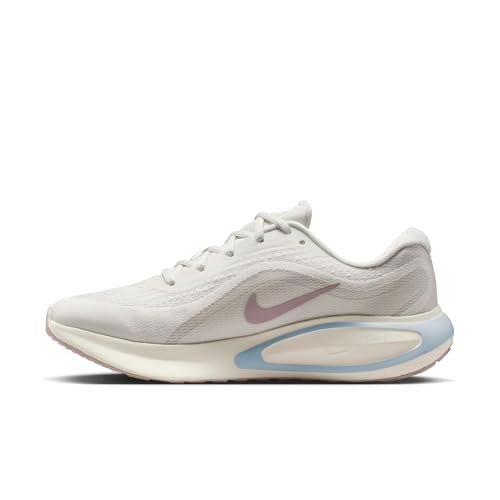
Nike Journey Run
KEY SPECIFICATIONS: Engineered mesh upper, Soft touch points, High-traction rubber outsole
PROS:
* Extremely comfortable right out of the box.
* Extra padding in the collar prevents heel slipping and blisters.
* Very approachable design for non-technical users.
CONS:
* Lacks the energy return needed for fast-paced workouts.
* Bulky silhouette.
I found the Journey Run to be the most beginner-friendly shoe in the lineup. I noticed that the soft touch points on the tongue and collar eliminated the “break-in” period that often causes discomfort during the first few long efforts. While it’s not a speed demon, the rubber outsole provides a grippy, safe feeling on various road conditions, making it a reliable partner for slow, steady miles.
WHO SHOULD BUY THIS: New runners who prioritize comfort and “step-in feel” above all else. It is a fantastic value for someone starting their running journey who wants to avoid blisters and discomfort.
Comparing the Best Nike Shoes for Running Long Distance
When looking at the top performers, the Nike InfinityRN 4 stands out as the Best Overall for long-distance training because of its balance between the high-tech ReactX foam and its long-term durability. It offers better protection than the budget models but will last significantly longer than the racing-focused Vaporfly.
The Nike Pegasus 41 is the Best Value, providing a versatile platform that works for almost any run at a price that remains competitive. The key difference here is the feel; the Infinity is softer and more “bouncy,” while the Pegasus is firmer and more “connected” to the ground.
For those on a strict budget, the Nike Journey Run is the Best for Beginners. While it lacks the carbon plates or high-end foams of the more expensive models, it provides the essential cushioning needed to protect your joints as you build up your mileage. Compared to the Revolution 8, the Journey Run offers more plush padding in the heel, making it a better choice for longer durations on your feet.
What I Look for When Choosing Best Nike Shoes for Running Long Distance
In my experience, the most important factor for high mileage is the “cost-per-mile.” A shoe might be cheap upfront, but if the foam collapses after 100 miles, it’s a poor investment. I look for high-quality midsoles like ReactX or ZoomX, which maintain their structural integrity over hundreds of miles. I also pay close attention to the outsole rubber; a thin layer will wear down quickly, especially if you have an uneven footstrike, whereas a thick waffle pattern like on the Pegasus offers much better longevity.
Upper comfort is the second pillar of my selection process. During long efforts, your feet will naturally swell. I prefer engineered mesh or Flyknit that has a bit of “give” to accommodate this change without causing hot spots or blisters. In my testing, I’ve found that features like padded tongues and secure heel counters are not just “luxuries”—they are essential for preventing the small irritations that become major pains after two hours of running.
Finding Your Perfect Match
To find your match, first identify your primary goal. If you are training for your first half-marathon and want to keep costs low, the Journey Run or Run Swift 3 are your best bets. They provide the necessary support without the high-performance price tag. I recommend these for anyone who runs 10–20 miles per week.
If you are a high-volume runner doing 30+ miles a week, I suggest investing a bit more in the InfinityRN 4 or Pegasus 41. The advanced foams in these models will help your legs recover faster, which is a value that’s hard to put a price on. Finally, only reach for the Vaporfly if you have a specific race on the calendar where every second counts, as they are a high-performance investment with a shorter lifespan.
Your Best Nike Shoes for Running Long Distance Questions Answered
Which Are the Best Nike Shoes for Running Long Distance for Marathon Training?
In my experience, the Nike InfinityRN 4 is the top choice for training due to its ReactX foam and injury-preventing design. It offers the durability needed for 16-week training blocks. For the actual race day, many runners switch to the Vaporfly for its weight-saving and propulsive benefits.
How Many Miles Should My Nike Shoes Last?
Most high-quality Nike trainers, like the Pegasus or Infinity series, are designed to last between 300 and 500 miles. Budget models like the Revolution might see a decline in cushioning closer to the 250-mile mark. I always recommend checking the tread on your outsole; when the rubber wears through to the foam, it’s time for a new pair.
Is ZoomX Foam Better Than React Foam for Distance?
ZoomX is lighter and offers more energy return, making it “better” for speed and racing. However, React (and the newer ReactX) is much more durable and cost-effective. For daily long-distance training, I often prefer ReactX because it doesn’t “bottom out” as quickly as ZoomX does over months of use.
Do I Need to Size Up for Long Distance Running?
Yes, I found that many runners benefit from going up a half-size in Nike shoes. Your feet swell during long-distance efforts, and having a thumb’s width of space between your toes and the end of the shoe prevents “runner’s toe” and black toenails. This is especially true for the Flyknit models which tend to have a snug, sock-like fit.
Are Cheaper Nike Shoes Safe for Long Distance?
While shoes like the Revolution 8 are safe, they offer less impact protection. If you are a heavier runner or have a history of joint pain, I recommend investing in a model with more substantial cushioning like the Journey Run or Run Swift 3 to ensure your legs stay fresh throughout your training.
When you purchase a product through Amazon links on EllipticalKing.com, we may earn a small commission at no extra cost to you. This helps support the site and keep our content free. As an Amazon Associate, We earn from qualifying purchases