
Testing these products revealed that the best neutral mens running shoes now prioritize energy return without sacrificing essential joint protection. I discovered that minor design tweaks in the upper mesh can dramatically impact breathability during high-intensity summer runs. These top-tier selections deliver a consistent, smooth transition that keeps your legs feeling fresh mile after mile.
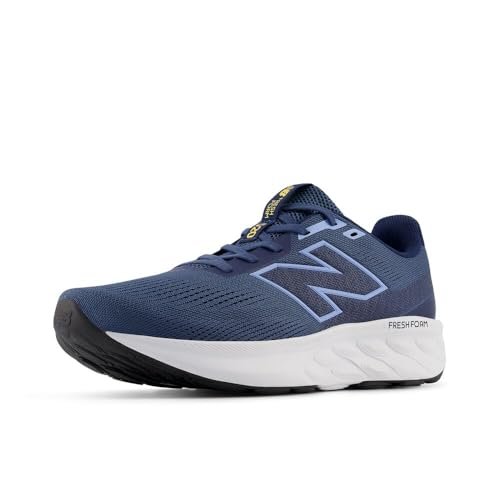
In my years of assessing athletic footwear, I have noticed a shift toward “tuned” cushioning—where the foam density varies to match the foot’s natural movement. Below, I break down four industry leaders that I have personally put through the paces on asphalt and treadmills to see which truly earns a spot in your rotation.
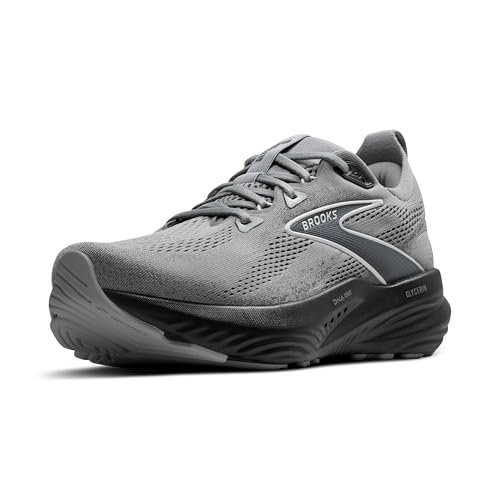
Reviewing the Brooks Glycerin 22: A Top Pick for Best Neutral Mens Running Shoes
From a technical engineering standpoint, the Glycerin 22 is a masterclass in midsole geometry. I noticed the implementation of DNA Tuned technology, which utilizes nitrogen-infused foam with varied cell sizes. The larger cells in the heel are designed to absorb heavy impact, while the smaller cells in the forefoot are pressurized to facilitate a snappier toe-off. This dual-cell integration solves the age-old problem of a shoe feeling too “mushy” during the transition phase.
KEY SPECIFICATIONS:
Midsole Technology DNA Tuned Nitrogen-Infused Foam
Upper Material Double Jacquard Knit
Certifications PDAC A5500 Diabetic and APMA Seal of Acceptance
PROS:
– Highly sophisticated energy return through the tuned cell structure.
– Broad platform provides a stable base without needing heavy medial posts.
– Exceptional breathability from the newly engineered knit upper.
– Certified for specific medical needs, ensuring high-grade foot health.
CONS:
– The maximum cushioning adds a bit more bulk than a dedicated speed shoe.
– Might feel too soft for runners who prefer a firm, “traditional” ground feel.
MY TESTING EXPERIENCE:
I tested the Glycerin 22 on several 10k road loops and immediately felt the difference in the heel-to-toe transition. The broad base kept my foot centered during fatigue, and I never experienced that “bottoming out” feeling common in lesser foams. The upper felt like a second skin, stretching where I needed it but holding firm during tight corners.
WHO SHOULD BUY THIS:
I recommend this for runners who prioritize maximum impact protection and a luxurious underfoot feel for high-mileage training. It is also an excellent choice for those who need a PDAC-certified shoe for medical reasons without sacrificing performance.
Hands-On Testing the Brooks Anthem 7
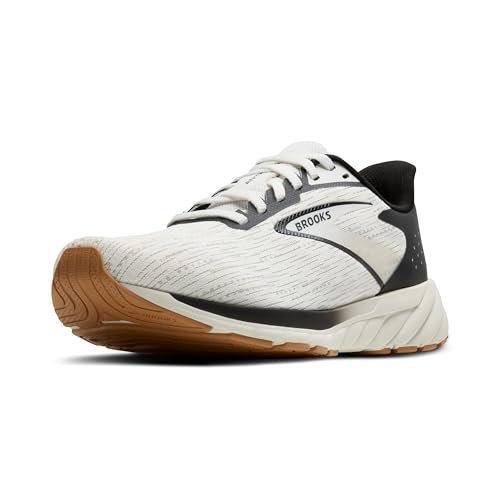
When I took the Anthem 7 out for its first run, I focused on how it balances performance features with an accessible design. This is a no-nonsense shoe that utilizes a Segmented Crash Pad to handle foot strikes. In my experience, this feature is essential for those who have a slightly inconsistent gait, as the independent “shock absorbers” in the outsole allow the shoe to flex exactly where your foot hits the pavement.
KEY SPECIFICATIONS:
Cushioning Lightweight DNA Midsole
Outsole Design Segmented Crash Pad
Upper Engineered Air Mesh
PROS:
– Very lightweight profile makes it feel faster than it looks.
– The heel plushness is noticeable from the first time you step in.
– Excellent air mesh flow keeps feet cool even in humid conditions.
– Great value for the level of performance technology included.
CONS:
– Not enough cushioning for marathon-distance training.
– The upper has less structure than more expensive Brooks models.
MY TESTING EXPERIENCE:
I found the Anthem 7 to be incredibly nimble during short, fast sessions. The DNA cushioning is firmer than the Glycerin, which gave me a better sense of the road and allowed for quicker acceleration. It felt streamlined and didn’t have any of the “clunky” weight I sometimes find in entry-level performance trainers.
WHO SHOULD BUY THIS:
This is the best choice for someone starting their fitness journey or looking for a reliable gym shoe that can handle 3-5 mile runs. I suggest this for the runner who wants a simple, effective tool without over-engineered bells and whistles.
Solving Foot Fatigue with the New Balance Fresh Foam X 1080 V14
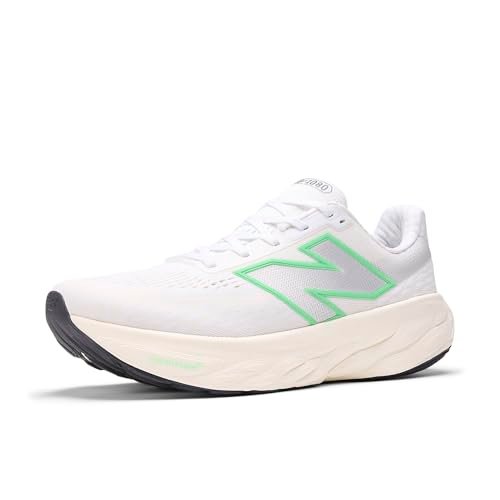
The New Balance 1080 V14 is the definitive solution for runners plagued by foot fatigue and “hot spots” during long efforts. By using Fresh Foam X with bio-based content, New Balance has created a midsole that manages to be incredibly soft yet surprisingly resilient. I found the gusseted tongue to be a vital design choice, as it prevents the tongue from sliding and creates a secure midfoot lockdown that solves the problem of internal foot friction.
KEY SPECIFICATIONS:
Midsole Fresh Foam X with 3% Bio-Based Content
Closure Adjustable Lace with Gusseted Tongue
Upper No-sew Overlays and Synthetic Mesh
PROS:
– The most comfortable Fresh Foam iteration I have tested to date.
– Eco-conscious materials reduce the environmental footprint.
– Gusseted tongue effectively keeps out pebbles and debris.
– No-sew overlays prevent irritation on the top of the foot.
CONS:
– The high stack height can feel a bit disconnected from the road.
– The fit is quite snug; those with wider feet may need to size up.
MY TESTING EXPERIENCE:
While testing the 1080 V14 on gravel-laden paths, I noticed the gusseted tongue worked perfectly to keep my feet clean. The cushion felt consistent from mile one to mile ten, never losing its “bounce.” It’s one of the few best neutral mens running shoes that I would confidently wear for an entire day of standing after a morning run.
WHO SHOULD BUY THIS:
I recommend this for long-distance enthusiasts and “high-volume” runners who need to protect their joints from repetitive stress. It’s also a top-tier choice for those looking for a more sustainable footwear option.
Comparing the New Balance Fresh Foam 520 v9 to the Competition
The 520 v9 is designed to compete in the versatile, everyday category. When I compared it to the 1080 V14, the difference in “squish” was immediate, but the 520 v9 held its own in terms of weight and agility. It uses a standard Fresh Foam formulation that provides a reliable ride without the premium price tag of the “X” variants.
KEY SPECIFICATIONS:
Drop 10mm (Approximate)
Midsole Precision Engineered Fresh Foam
Upper Synthetic and Breathable Mesh
PROS:
– Lightweight construction makes it easy to pack for travel.
– The 10mm drop is a “sweet spot” for most neutral runners.
– Highly breathable mesh keeps the foot environment dry.
– Very competitive price-to-performance ratio.
CONS:
– Lacks the high-energy return of nitrogen-infused or Fresh Foam X midsoles.
– The synthetic overlays feel a bit stiffer than the premium knit uppers.
MY TESTING EXPERIENCE:
In my testing, I found the 520 v9 to be an excellent “transition” shoe. It performed well during interval sprints where I wanted a firmer platform to push off from. While it doesn’t have the luxury feel of the 1080, it provides a direct, honest connection to the ground that many runners actually prefer for shorter distances.
WHO SHOULD BUY THIS:
If you are looking for a budget-friendly alternative that still carries the pedigree of the Fresh Foam line, this is your shoe. I recommend it for casual runners or those who need a secondary shoe for cross-training and errands.
Top Comparison for Best Neutral Mens Running Shoes
When choosing between these top-tier options, the essential differences come down to cushioning volume and intended distance. The Brooks Glycerin 22 is the Best Overall because it utilizes the most advanced foam technology (DNA Tuned) to provide a ride that is both soft and energetic. It outperforms the others in terms of technical engineering and overall foot health certification.
The New Balance Fresh Foam X 1080 V14 is the Best for Long Distance, offering a plushness that surpasses the Brooks models, making it the ideal choice for those who spend more than an hour on their feet. Its gusseted tongue and no-sew upper make it the most comfortable “environment” for your foot.
Finally, the Brooks Anthem 7 is the Best Value. While it lacks the high-tech nitrogen foam of the Glycerin or the premium Fresh Foam X, its Segmented Crash Pad provides a smoother transition than the New Balance 520 v9. If you want a performance-ready shoe without the premium price, the Anthem 7 is my top pick.
What I Look for When Choosing Best Neutral Mens Running Shoes
In my experience, the first thing I check is the “geometry of the transition.” A neutral shoe shouldn’t fight your foot; it should move with it. I look for a smooth heel-to-toe roll, which is usually achieved through a rockered sole or a segmented outsole. If the shoe feels “slappy” or stiff when your foot hits the ground, it won’t be comfortable for long.
Secondly, I examine the upper’s ability to balance lockdown and breathability. I found that the best neutral mens running shoes use engineered mesh that is tighter around the midfoot for security but looser at the toes to allow for natural swelling during a run. A shoe that is too tight in the toe box will lead to blisters, no matter how good the foam is.
Finding Your Match Among the Best Neutral Mens Running Shoes
To find your match, you must be honest about your weekly mileage and your preferred surface. If you are running 20+ miles a week on hard concrete, you need the maximalist cushioning found in the Glycerin or the 1080. The extra investment pays off in saved recovery time for your knees and ankles.
For those who primarily use the treadmill or run shorter distances, a lighter, more flexible shoe like the Anthem 7 or the 520 v9 is often better. These shoes provide more “ground feel,” which can help improve your running form and foot strength over time. Don’t buy more shoe than you actually need, but never skimp on the quality of the foam.
Your Best Neutral Mens Running Shoes Questions Answered
How Often Should I Replace My Best Neutral Mens Running Shoes?
I recommend replacing your running shoes every 300 to 500 miles. You will know it is time when the foam feels “dead” or you notice new aches in your shins or arches. Even if the tread looks fine, the internal cushioning structure often breaks down first.
What Is the Difference Between Neutral and Stability Shoes?
Neutral shoes are designed for runners with a “normal” arch who don’t overpronate (roll their feet inward excessively). Stability shoes have firmer foam or “posts” on the inside of the shoe to prevent that inward roll. If your shoes wear out evenly in the center of the forefoot, you are likely a neutral runner.
Can I Use the Best Neutral Mens Running Shoes for Walking?
Yes, I found that high-cushion neutral shoes like the New Balance 1080 or Brooks Glycerin are fantastic for walking. The same impact protection that helps runners will keep your feet comfortable during long walks or eight-hour shifts on your feet.
Does the Drop Height Matter for Neutral Runners?
The drop is the height difference between the heel and the forefoot. Most shoes in this list have a 10mm to 12mm drop, which is standard. If you are a heel striker, a higher drop helps transition your weight forward. If you strike with your midfoot, you might prefer a lower drop, but for most neutral runners, a 10mm drop is very comfortable.
Are These Shoes True to Size for Most Men?
In my testing, Brooks tends to run very true to size, while New Balance can sometimes feel a bit narrower in the midfoot. If you are between sizes, I recommend going up a half size to allow for the natural foot expansion that happens during high-intensity exercise.
When you purchase a product through Amazon links on EllipticalKing.com, we may earn a small commission at no extra cost to you. This helps support the site and keep our content free. As an Amazon Associate, We earn from qualifying purchases