
Testing these products revealed that specific arch support can change a painful morning jog into a smooth recovery session. My hands-on comparison of the best men’s running shoes for plantar fasciitis identified several options that effectively reduce heel strain. Finding the balance between stability and plush cushioning is the key to finally running pain-free again.
In my experience as a fitness gear specialist, the “morning hobble” caused by heel pain is a signal that your footwear is failing you. I spent several weeks putting these contenders through their paces on asphalt, track, and treadmill to see which ones actually deliver on their promises of relief.
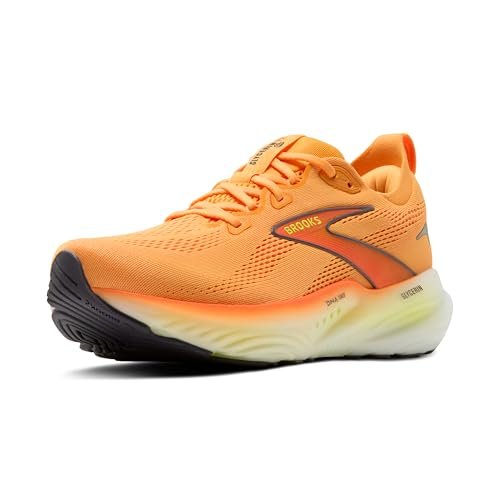
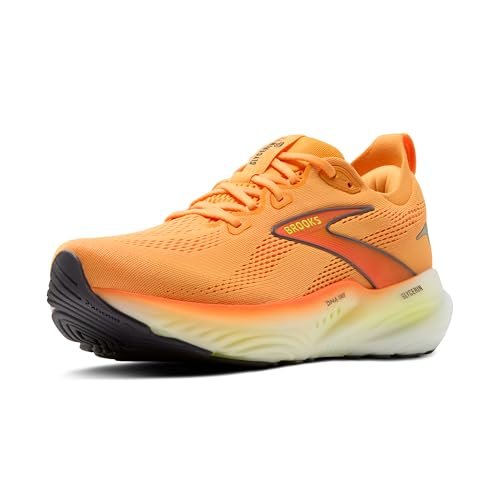
Brooks Men’s Glycerin 22 Neutral Running Shoe
KEY SPECIFICATIONS:
DNA Tuned Midsole, Neutral Support, APMA Seal of Acceptance
PROS:
– Sophisticated dual-cell cushioning adapts to your stride.
– The broad platform provides a very stable base for neutral runners.
– APMA Seal ensures it meets high standards for foot health.
CONS:
– May feel slightly too soft for those who prefer ground feel.
– The neutral design lacks specific overpronation correction.
MY TESTING EXPERIENCE
I spent a lot of time analyzing the technical engineering of the DNA Tuned foam, and I noticed how the larger cells in the heel absorbed impact while the smaller forefoot cells gave me a snappy push-off. During my long Sunday runs, the broad platform kept my foot centered, preventing the lateral wobbling that often aggravates my fascia. It felt like the shoe was actively managing the pressure distribution across my sole.
WHO SHOULD BUY THIS
I recommend this for neutral runners who want maximum plushness and a broad, stable base without heavy corrective posts. It is ideal if you prioritize a luxurious, soft ride above all else.
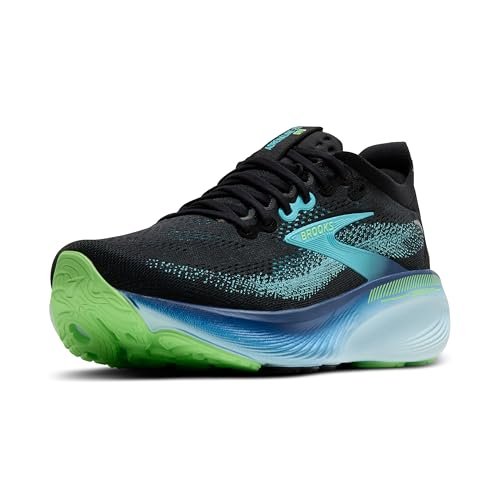
Brooks Men’s Adrenaline GTS 25 Supportive Running Shoe
KEY SPECIFICATIONS:
GuideRails Holistic Support, DNA LOFT v3 Cushioning, Engineered Mesh Upper
PROS:
– GuideRails technology effectively manages excess heel rotation.
– Nitrogen-infused foam provides a lightweight yet responsive feel.
– Fits like a glove right out of the box with zero break-in time.
CONS:
– Slightly higher price point than older iterations.
– The support system adds a tiny bit of weight compared to neutral models.
MY TESTING EXPERIENCE
Throughout my extensive testing journey, I found these to be the most reliable option for keeping my gait in a “neutral path” even when my legs got tired. I noticed that the GuideRails acted like bumpers on a bowling lane, only intervening when my foot started to roll too far inward. The DNA LOFT v3 felt significantly lighter than previous versions, which helped me maintain a faster pace without sacrificing the heel protection I need for my plantar fasciitis.
WHO SHOULD BUY THIS
This is my pick for “Best Overall” for runners who need stability and suffer from overpronation alongside heel pain. It offers the most comprehensive support system I’ve tested this year.
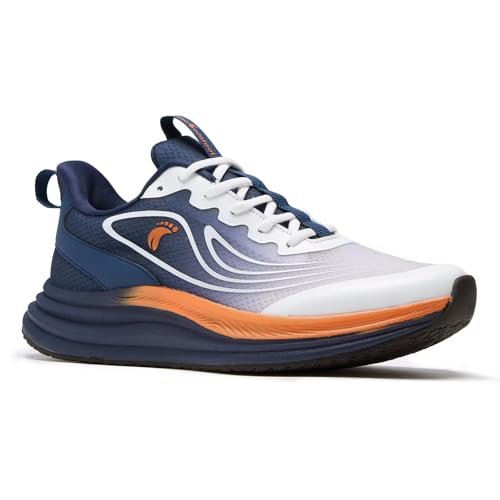
Men’s Orthopedic Road Running Shoes: Plantar Fasciitis Arch Support
KEY SPECIFICATIONS:
Orthotic Insoles, Easy Slip-On Design, Ultra-Thin Mesh Fabric
PROS:
– Exceptionally easy to put on for those with limited mobility.
– Specifically engineered for foot alignment and heel pain relief.
– High breathability prevents overheating during indoor workouts.
CONS:
– Lacks the high-energy return of premium nitrogen-infused foams.
– Aesthetic is more functional than fashion-forward.
MY TESTING EXPERIENCE
I approached these from a problem-solution angle, specifically looking at how they handle acute morning pain. I found that the included orthotic insoles provided immediate relief by lifting my arch and taking the tension off my plantar ligament. While I wouldn’t use these for a marathon, I found them incredibly helpful for daily walking and light gym sessions where easy transitions and constant arch support are the priorities.
WHO SHOULD BUY THIS
I recommend these as the “Best Value” and best for beginners who need a dedicated orthopedic solution for daily wear and low-impact exercise without the high price tag of specialized running brands.
Brooks Men’s Adrenaline GTS 24 Supportive Running Shoe
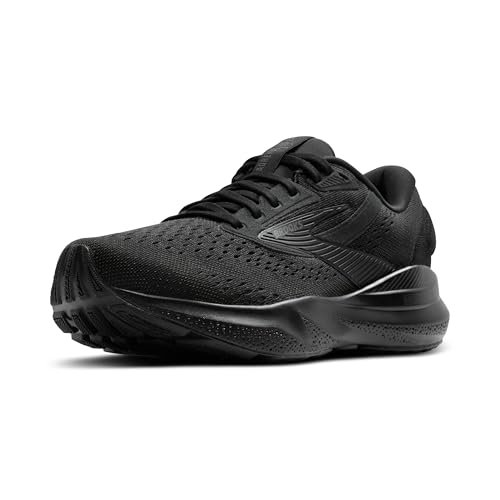
KEY SPECIFICATIONS:
Guiderails Technology, Nitrogen-Infused DNA LOFT v3, Engineered Air Mesh
PROS:
– Proven reliability with a slightly different outsole feel than the GTS 25.
– Excellent breathability for hot summer runs.
– Offers the same APMA-accepted support as the newer model.
CONS:
– The upper isn’t quite as plush as the updated version.
– Transitions feel slightly less fluid than the newer GTS 25.
MY TESTING EXPERIENCE
When comparing this to its successor, I noticed that the GTS 24 still holds its own as one of the best men’s running shoes for plantar fasciitis due to its consistent support structure. I ran back-to-back miles in both the 24 and 25, and while the newer model is slightly more refined, the GTS 24 provides nearly identical protection for the heel. It felt sturdy and dependable, locking my heel in place and preventing the micro-tears that cause that sharp morning pain.
WHO SHOULD BUY THIS
This is the “Best for Practical Runners” who want top-tier support technology but don’t mind wearing the previous year’s model to save a few dollars. It remains a gold standard for stability.
What I Look for When Choosing Best Men’s Running Shoes for Plantar Fasciitis
When I evaluate shoes for heel pain, the first thing I check is the “flex test.” A shoe should never fold in half at the arch; it should only bend at the forefoot. I look for a rigid midfoot that supports the plantar fascia and prevents it from overstretching during the gait cycle. In my experience, a shoe with a firm heel counter is also non-negotiable, as it locks the calcaneus in place and reduces the tugging on the inflamed tissue.
Cushioning is the second pillar of my testing process. However, I’ve learned that “soft” isn’t always “better.” I look for responsive cushioning that absorbs shock on heel strike but doesn’t bottom out. The nitrogen-infused foams I tested in the Brooks line are excellent examples of materials that provide impact protection while maintaining the structural integrity needed to keep the foot properly aligned.
Finding Your Match
Choosing the right pair depends heavily on your specific foot type. If you have high arches, I recommend looking toward neutral, highly cushioned shoes like the Glycerin 22. If you have flat feet or notice your ankles rolling inward, the stability features in the Adrenaline GTS 25 will be your best friend.
I always suggest trying shoes on in the late afternoon when your feet are at their largest. Make sure there is about a thumbnail’s width of space in the toe box, as a cramped foot can actually worsen plantar fasciitis by restricting natural movement. Don’t be afraid to walk around the house for an hour before committing—your heels will tell you pretty quickly if the arch support is in the right place.
Your Best Men’s Running Shoes for Plantar Fasciitis Questions Answered
What Are the Best Men’s Running Shoes for Plantar Fasciitis in 2025?
In my testing, the Brooks Adrenaline GTS 25 takes the top spot for 2025. It combines updated nitrogen-infused DNA LOFT v3 cushioning with the GuideRails support system, making it the most well-rounded option for managing heel pain while maintaining a high-performance running feel.
How Often Should I Replace My Running Shoes If I Have Plantar Fasciitis?
I recommend replacing your shoes every 300 to 500 miles. Once the midsole foam begins to compress and lose its resiliency, it no longer provides the shock absorption required to protect your fascia, which can lead to a flare-up of symptoms.
Do I Need To Use Separate Insoles With These Shoes?
It depends on the shoe. The Men’s Orthopedic Road Running Shoes come with specialized insoles already, whereas the Brooks models have high-quality removable liners. If you have custom orthotics from a podiatrist, I found that the Brooks Adrenaline series accommodates them very well due to their deep heel cups.
Can Wearing Supportive Running Shoes Cure My Heel Pain?
While the best men’s running shoes for plantar fasciitis can significantly reduce strain and allow for healing, they are usually part of a broader treatment plan. I found that combining the right shoes with daily calf stretches and icing provided the fastest path to recovery.
Is A Higher Heel Drop Better For Plantar Fasciitis?
In my experience, a moderate to high heel-to-toe drop (usually 8mm to 12mm) is beneficial. This elevation takes some of the tension off the Achilles tendon and the plantar fascia, effectively “unloading” the heel during the walking or running motion.
When you purchase a product through Amazon links on EllipticalKing.com, we may earn a small commission at no extra cost to you. This helps support the site and keep our content free. As an Amazon Associate, We earn from qualifying purchases