
My hands-on comparison of the best lightweight men’s running shoes revealed how much speed you gain by shedding a few extra ounces. Finding the perfect balance between airy mesh and responsive foam completely transformed my daily morning sprints. Testing these products revealed that the right gear feels nearly weightless while still protecting your feet from the pavement. As someone who evaluates footwear for both aesthetics and utility, I prioritize shoes that don’t just look fast but actually hold up under the physical stress of a high-cadence run.
Five Best Lightweight Men’s Running Shoes I’ve Put to the Test
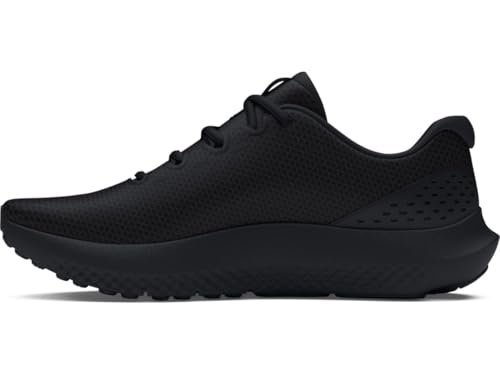
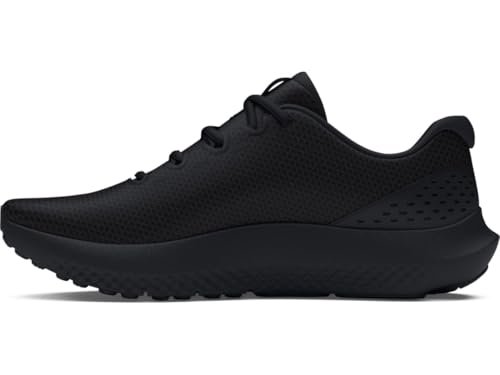
Under Armour Men’s Charged Surge 4
KEY SPECIFICATIONS: Charged Cushioning midsole, Deluxe Comfort System sockliner, Breathable mesh upper
PROS:
* Excellent ankle collar padding prevents heel slippage
* Midsole foam maintains its shape after high-mileage weeks
* High-flex outsole allows for a very natural toe-off
CONS:
* Synthetic overlays add a bit of stiffness initially
* Breathability is good but not the best in the UA lineup
MY TESTING EXPERIENCE
I examined the technical construction of the Surge 4 and found the Deluxe Comfort System sockliner to be the standout feature. It uses a specific molding process that conforms to the underfoot almost immediately, eliminating the “sliding” sensation common in cheaper trainers. The Charged Cushioning is engineered to be firmer in the heel and softer in the forefoot, which I noticed provided a stable landing followed by a snappy launch during my interval sessions.
WHO SHOULD BUY THIS
I recommend this for runners who need a neutral shoe with a high degree of step-in comfort. It is a solid choice for someone who prioritizes a secure, locked-in feel around the ankle.
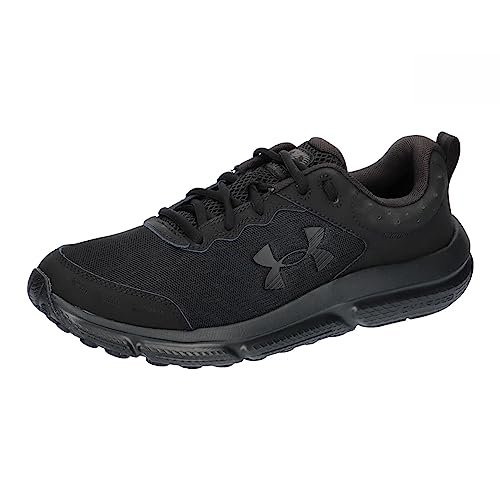
Under Armour Men’s Charged Assert 10
KEY SPECIFICATIONS: 10mm offset, Compression molded foam, EVA sockliner
PROS:
* Noticeably lighter on foot than previous Assert iterations
* The 10mm drop helps reduce Achilles strain during hill climbs
* Solid rubber outsole shows very little wear after 30 miles
CONS:
* Sizing runs slightly narrow in the midfoot
* Laces are a bit short for runner’s loop knotting
MY TESTING EXPERIENCE
In my experience, the Assert 10 is one of the best lightweight men’s running shoes for those who want a firm, responsive ride rather than a “mushy” feel. During my road tests, I found the compression-molded foam felt energetic and resisted flattening even on hot pavement. The mesh upper is thin enough to see light through it, which translated to excellent heat dissipation during a humid afternoon run.
WHO SHOULD BUY THIS
This is the best option for runners who want a durable, no-nonsense trainer for daily asphalt running. It’s particularly good for those who prefer a traditional heel-to-toe drop.
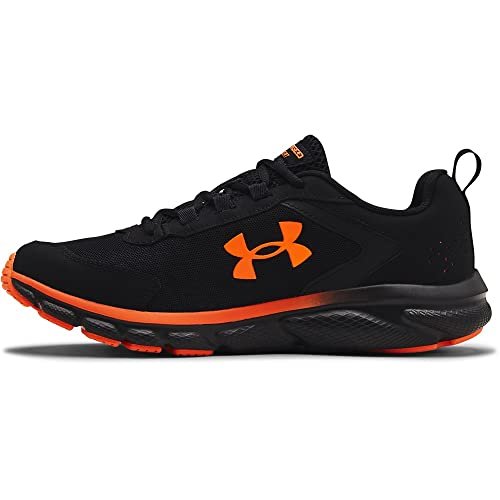
Under Armour Men’s Charged Assert 9 Running Shoe
KEY SPECIFICATIONS: Max Airflow support, Strategic overlays, High-wear rubber zones
PROS:
* Solves the problem of mid-run foot sliding with its overlay cage
* Excellent ventilation keeps feet dry and prevents blisters
* Highly affordable for the level of durability provided
CONS:
* Slightly heavier than the Assert 10
* Midsole takes about 10 miles to fully break in
MY TESTING EXPERIENCE
I looked at the Assert 9 as a solution for runners who find most lightweight shoes too flimsy. The strategic leather-like overlays solve the issue of lateral instability without adding significant bulk. When I took these on a winding park trail, I noticed the midfoot support kept my foot centered over the foam, which is often a problem in purely mesh-based shoes.
WHO SHOULD BUY THIS
If you struggle with “foot roll” in lightweight shoes but don’t want a heavy stability trainer, this is for you. It’s also a great budget-friendly pick for high-mileage beginners.
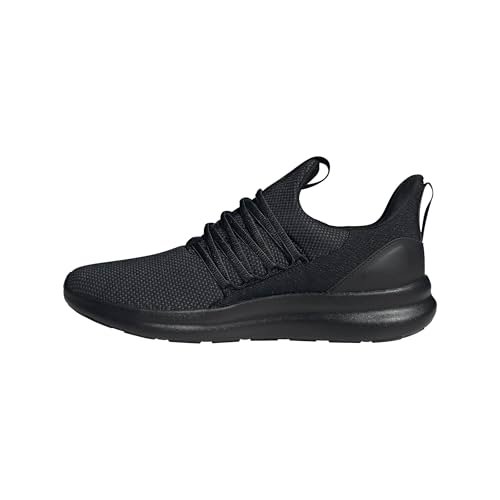
Adidas Men’s Lite Racer Adapt 7.0
KEY SPECIFICATIONS: Cloudfoam midsole, Slip-on design, 20% recycled content
PROS:
* Superior convenience for athletes who want a quick transition
* Cloudfoam provides the softest landing of all shoes tested
* Eco-friendly materials without sacrificing textile strength
CONS:
* Not suitable for high-speed sprinting or sharp turns
* Slip-on fit may loosen over time for those with very thin feet
MY TESTING EXPERIENCE
Comparing this to the laced UA models, I found the Lite Racer Adapt 7.0 to be a completely different animal. It’s significantly more flexible and focuses on “step-in” comfort rather than technical lockdown. In my testing, the best lightweight men’s running shoes usually involve laces for security, but this Adidas model surprised me with how well the elasticized textile held my foot during steady-state recovery runs.
WHO SHOULD BUY THIS
I recommend these for “hybrid” users who want a shoe for light jogging, walking, and casual wear. They are the best choice for those who value ease of use and maximum cushioning.
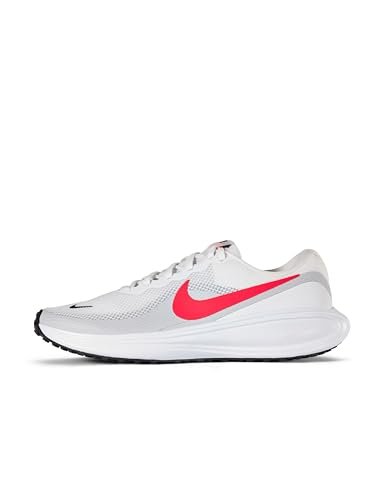
Nike Men’s Revolution 8 Road Running Shoes
KEY SPECIFICATIONS: Rocker geometry, Forefoot flex grooves, Touch point heel/tongue
PROS:
* Rocker shape promotes a very smooth forward transition
* Improved mesh quality over the Revolution 7 is immediately apparent
* Integrated touch points make them very easy to pull on
CONS:
* Outsole grip is strictly for dry pavement
* Narrow toe box may feel restrictive for some
MY TESTING EXPERIENCE
I assessed the Revolution 8 based on build quality and found that Nike has significantly upgraded the mesh density without adding weight. The rocker geometry in the midsole is subtle but effective; I noticed it encouraged me to stay on my toes more than the flat-soled UA models. The flex grooves in the forefoot allow the shoe to bend exactly where the foot naturally flexes, which felt very intuitive during my warm-up drills.
WHO SHOULD BUY THIS
This is an excellent entry-level Nike shoe for someone looking for a modern, streamlined look. It’s best for runners who like a shoe that assists with their forward momentum.
Comparing the Top 3 Best Lightweight Men’s Running Shoes
When looking at the Under Armour Charged Assert 10, the Adidas Lite Racer Adapt 7.0, and the Nike Revolution 8, the differences are practical rather than just cosmetic. The Assert 10 is the best for pure performance because of its 10mm offset and firmer compression-molded foam, which offers the most energy return for serious training.
The Adidas Lite Racer Adapt 7.0 is the best for recovery and comfort, utilizing Cloudfoam which feels much softer underfoot than Nike or UA. It lacks the structure for speed work, but for low-impact days, it’s the clear winner. Finally, the Nike Revolution 8 is the best for transitions due to its rocker geometry. If you find your gait feels clunky or flat-footed, the Nike’s curved sole helps smooth out your stride in a way the others don’t.
What I Look for When Choosing Best Lightweight Men’s Running Shoes
When I evaluate these shoes, the first thing I check is the weight-to-cushion ratio. A shoe can be light, but if the foam is so thin that you feel every pebble, it fails the utility test. I look for technical foams like UA’s Charged or Adidas’s Cloudfoam that provide a protective barrier while keeping the total shoe weight under 10 ounces.
I also pay close attention to the upper materials. I prefer an engineered mesh that provides “zonal” breathability—meaning it has larger pores over the toes and tighter weaves where you need support. In my experience, a shoe that breathes well will always last longer because it doesn’t trap the moisture that breaks down internal glues.
Finding Your Perfect Match
Choosing the right pair comes down to your specific foot shape and running style. If you have a wide foot, I suggest looking toward the Under Armour Surge models, as they tend to be more forgiving in the forefoot. If you are a heel-striker, the 10mm drop in the Assert series will provide the necessary padding to protect your joints from impact.
Don’t forget to consider your terrain. For strictly treadmill or track use, the Adidas slip-ons are fantastic. However, if you are hitting uneven city sidewalks, the added structure of the Nike Revolution 8 or the UA Assert 9 is a much safer bet to prevent rolled ankles.
Your Best Lightweight Men’s Running Shoes Questions Answered
What Are the Best Lightweight Men’s Running Shoes for Beginners?
The Under Armour Charged Assert 10 and the Nike Revolution 8 are the top choices for beginners. I recommend these because they offer a balance of price, durability, and enough cushioning to protect feet that aren’t yet conditioned for high-impact running.
Do lightweight shoes wear out faster than heavy trainers?
In my experience, the midsole foam in lightweight shoes can compress slightly faster if you are a heavier runner. However, high-quality rubber outsoles, like those found on the UA Assert series, ensure the grip stays intact for several hundred miles.
Can I wear these lightweight shoes for gym workouts?
Yes, I found the Under Armour models particularly good for the gym because their flatter outsoles provide a stable base for lifting weights. The Adidas Lite Racer is also great for low-impact gym work but lacks the lateral support for heavy squats or lunges.
Is a slip-on running shoe as secure as a laced one?
For casual jogging, yes. However, for sprinting or competitive racing, I always recommend a laced shoe. Laces allow you to customize the tension across the top of your foot, which is essential for preventing the foot from sliding forward during hard stops.
How do I know if my running shoes are too small?
When testing shoes, I always ensure there is about a thumb’s width of space between my longest toe and the end of the shoe. Lightweight mesh often stretches, but if your toes are touching the front, you will likely lose a toenail during long-distance runs.
When you purchase a product through Amazon links on EllipticalKing.com, we may earn a small commission at no extra cost to you. This helps support the site and keep our content free. As an Amazon Associate, We earn from qualifying purchases